
Inquiry Basket
 Loading ......
The most commonly used method for current TDM involves immunological assays. Commercial kits are mostly appreciated for their rapidity.
Creative Diagnostics provides highly sensitive and cost-effective therapeutic drug conjugates and antibodies for multiple applications. We also offer customized services, which can asset customers to achieve their immunoassay development.
Therapeutic drug monitoring (TDM) is the clinical practice of measuring specific drugs at designated intervals to maintain a constant concentration in a patient's bloodstream, thereby optimizing individual dosage regimens. It is unnecessary to employ TDM for the majority of medications, and it is used mainly for monitoring drugs with narrow therapeutic ranges, drugs with marked pharmacokinetic variability, medications for which target concentrations are difficult to monitor, and drugs known to cause therapeutic and adverse effects.
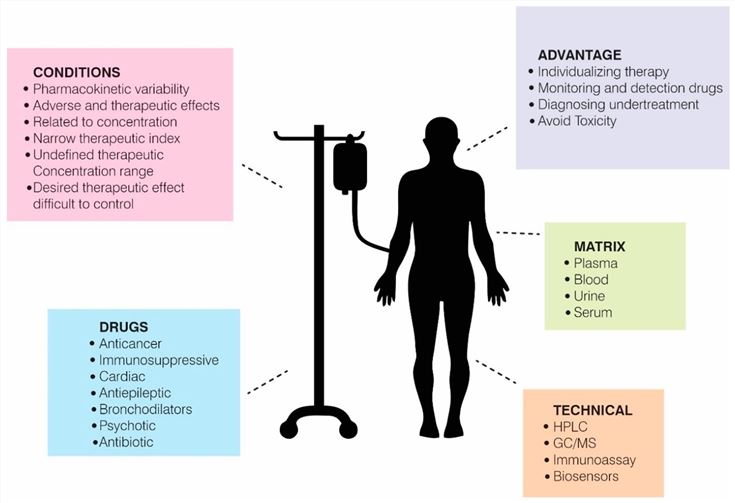 Figure 1. The process of therapeutic drug monitoring
The practice of therapeutic drug monitoring requires the orchestration of several disciplines, including pharmacokinetics, pharmacodynamics, and laboratory analysis.
Historically, drug testing laboratories developed their assay procedures using a variety of analytical methods ranging from radioimmunoassay to high-performance liquid chromatography (HPLC) procedures. Currently, however, the vast majority of drug assays performed in the clinical setting are some variants of commercially available immunobinding assay procedures. The most commonly used procedures are fluorescence polarization immunoassay (FPIA), enzyme immunoassay (EMIT), and enzyme-linked immunosorbant assay (ELISA).
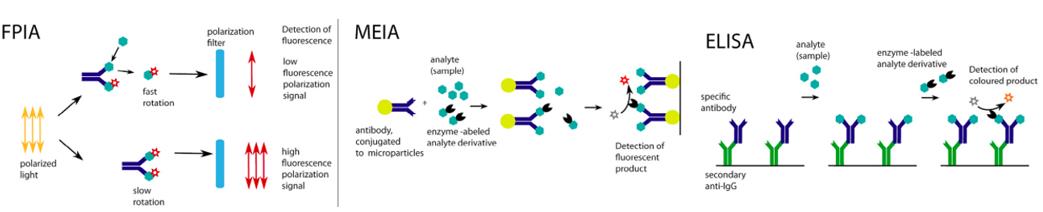 Figure 2. Common immune-binding assays for therapeutic drug monitoring
Therapeutic drug monitoring (TDM) among various fields of clinical pharmacology plays a vital role in order to achieve the individualization of optimal drug therapy, which is the process of maximizing therapeutic effects and minimizing side effects, simultaneously. Variable drug responses are largely due to individual pharmacokinetic variations.
The decreasing antibiotic susceptibility of pathogens may require higher antimicrobial dosing to achieve a therapeutic exposure that maximizes treatment success. Such as, dosing regimens for a new drug are initially defined by targeting 'wild type' susceptible pathogens, from which are derived the so-called ecological cut-off values (ECOFF). There is a need for further studies into optimized dosing as a consequence of the regional prevalence of antibiotic resistance.
Continuous therapeutic drug monitoring provides evidence for benefits associated with PK/PD target attainment, including variations in the dosing schemes, in terms of lower mortality, clinical cure, reduced length of stay, and lower toxicity.
Due to the distinct individual differences in drug metabolism, such as for the antitumor drug methotrexate (MTX), toxic and side effects are likely to occur at therapeutic doses, so its clinical usage requires performing therapeutic drug monitoring. Take whole blood samples at necessary time points to monitor the concentration of MTX in plasma/serum to determine whether the drug accumulates in the body, so as to reduce the toxic and side effects incidence.
Loading ......
