
Inquiry Basket
 Loading ......
The mumps virus (MuV), also called Mumps orthorubulavirus, can cause mumps characterized by painful swelling of the parotid glands. Mumps can also affect many other tissues and organs when it is serious, leading to a variety of inflammatory reactions, including encephalitis, meningitis, orchitis, myocarditis, pancreatitis and nephritis. Human is the only natural host of MuV. MuV initially targets to infect upper respiratory epithelial cells, and then systematically spreads to the whole body, causing mumps, orchitis, oophoritis, nephritis, etc. The virus can enter CFS and is highly neurotropic, causing meningitis (5-10%) or deafness (about 4%).
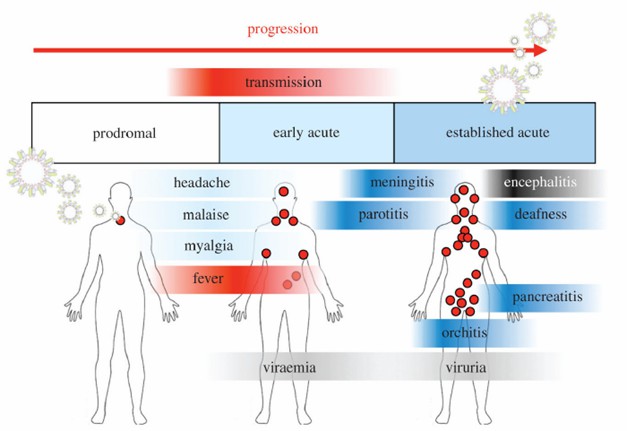 Fig. 1 MuV clinical presentation and pathogenesis (Rubin S, et al. 2015)
MuV is an enveloped non-segmented negative-sense single-stranded RNA virus belonging to Orthorubulavirus genus of Paramyxoviridae family. The viral genome can encode seven proteins: nucleocapsid (N), V/P/I (V/phospho-(P)/I), matrix (M), fusion (F), small hydrophobic (SH) transmembrane, hemagglutinin-neuraminidase (HN) and large (L) proteins. The ribonucleoprotein (RNP) complex composed of viral RNA encapsulated by N protein acts as a template for viral replication and transcription, and the L and P protein complexes act as RNA polymerase, and they cooperate to produce positive RNA and mRNA. SH protein and V protein can help the virus escape the host's antiviral response. M protein is responsible for promoting the budding of virus particles in infected cells. HN glycoprotein cooperates with F glycoprotein to mediate virus-to-cell fusion and cell-to-cell membrane fusion, facilitating virus spread.
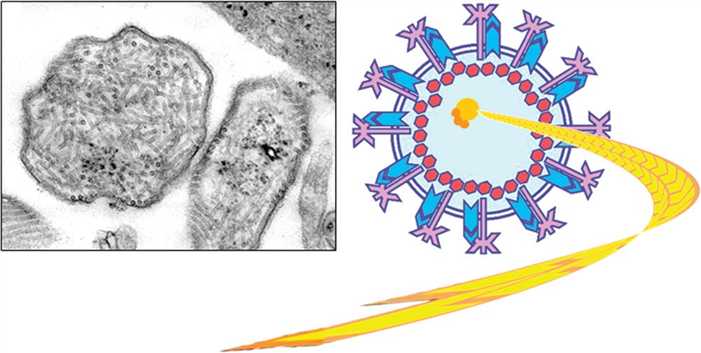 Fig. 2 MuV virion structure (Rubin S, et al. 2015)
WHO recommended three diagnostic methods to confirm mumps:
The Jeryl Lynn and Urabe Am9 are the most used MuV strains in the world. At present, MuV vaccine is usually produced as a part of the combined vaccine. Five known measles-mumps-rubella (MMR) vaccines and two measles-mumps-rubella-varicella (MMRV) vaccines have been developed worldwide.
References
Loading ......
