
Inquiry Basket
 Loading ......
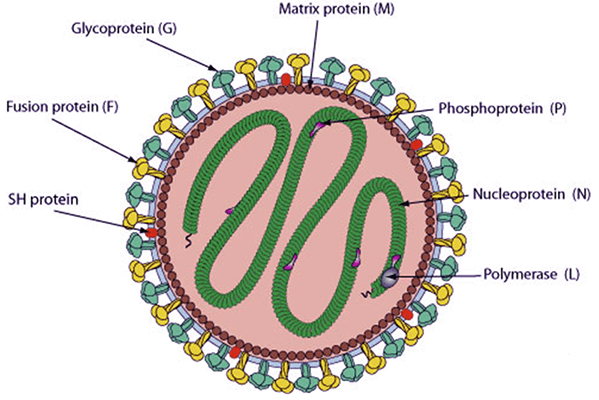 Fig. 1 The structure of RSV
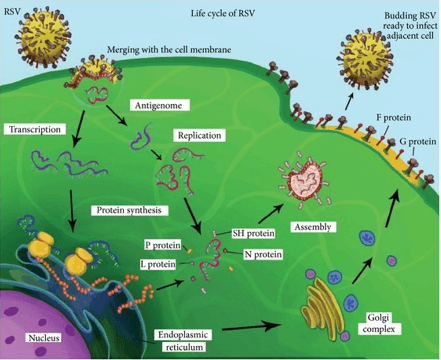 Fig. 2 A schematic representation of RSV life cycle
Respiratory Syncytial Virus, also called RSV, belongs to paramyxoviridae family. RSV is an enveloped RNA virus with a non-segmented single-stranded negative-sense genome. The disease caused by RSV is called respiratory syncytial virus pneumonia, referred to as syncytial virus pneumonia. Syncytial virus pneumonia is a common interstitial pneumonia in children, often occurred in infants and young children. Since the mother of antibodies cannot prevent the occurrence of infection, the baby will be sick shortly after birth but not the newborn baby. Respiratory Syncytial Virus can be spread by air droplets and close contact.
Respiratory Syncytial Virus has two antigenic subgroups: A and B, their genome encodes ten proteins, including seven structural proteins (G, F, M1, M2, P, L, N) and three nonstructural proteins (NS1, NS2, SH). G and F are membrane glycoprotein which can stimulate the body to produce protective antibodies, they are the most important protective antigens.
Creative Diagnostics can provide high quality recombinant RSV proteins, RSV Nucleoprotein, RSV Fusion Glycoprotein, RSV Glycoprotein and Native respiratory syncytial virus antigens to researchers around the world. Welcome to contact our customer service to get a quote for desired viral antigens.
Loading ......
