
Inquiry Basket
 Loading ......
Obesity, defined as a body mass index (BMI) ≥30 kg/m2, is a complex chronic disease characterized by an excessive accumulation of fat or adipose tissue in the body. Body fat, or adipose tissue, originally evolved to play a critical role in energy storage, protecting delicate organs, and regulating reproduction through complex hormonal signals. In vertebrates, specialized cells known as adipocytes are responsible for storing energy in the form of lipid droplets. However, despite its important role, excess body fat can lead to obesity, which is associated with a higher incidence of many diseases, including diabetes, cardiovascular disease, hypertension, nonalcoholic fatty liver disease, and cancer.
Obesity results from a long-standing imbalance between energy intake and energy expenditure, including energy utilization for basic metabolic processes and energy expenditure from physical activity. Energy expenditure is influenced by inherited, metabolic, and hormonal factors. Many other factors appear to increase a person's predisposition to obesity, including endocrine disruptors (eg, bisphenol A [BPA]), gut microbiome, sleep/wake cycles, and environmental factors.
Over the past decades, the pathophysiology of obesity has been extensively investigated, and an increasing number of signal transduction pathways have been implicated in obesity, making it possible to fight obesity in a more effective and precise way.
 Fig. 1 Signaling pathways involved in pro-obesity and anti-obesity mechanisms
Insulin resistance, adipose tissue inflammation, and adipogenesis constitute pro-obesity mechanism. Anti-obesity mechanism is composed of thermogenesis, lipolysis, and hypophagia
MAPK signaling pathway includes a three-tiered kinase cascade consisting of MAPK kinase kinases (MAPKKKs), MAPK kinases (MAPKKs), and MAPKs. MAPKs such as ERK1/2, JNK, and p38 MAPK play complicated roles in adipogenesis and appetite regulation. Activation of MAPKs induced adipose tissue inflammation in obesity. MAPKs also cause insulin resistance in obesity by inactivating IRS1 directly and PPAR-γ indirectly. MAPKs signaling pathway plays diverse roles in adipose tissue browning and thermogenesis.
PI3K-AKT pathway is closely related to insulin signaling. It increases GLUT4 and downregulates GSK3, resulting in insulin effects. PI3K-AKT signaling in lymphoid cells reduces adipose tissue inflammation to fight against obesity, while it results in the opposite direction in myeloid cells. Besides, PI3K-AKT-mTOR signaling negatively regulates food intake and has a bidirectional effect on thermogenesis.
JAK-STAT signaling pathway consists of JAK1, 2, and 3, and STAT family includes STAT1, 2, 3, 4, 5a, 5b, and 6. JAKs cannot only activate STATs, but also MAPKKKs and PI3K. JAK-STAT pathway participates in leptin-mediated anorectic effects. In the liver, the activation of JAK-STAT signaling is negatively related to the accumulation of fat. Notably, there are different impacts from different JAKs and STATs on BAT-related thermogenesis.
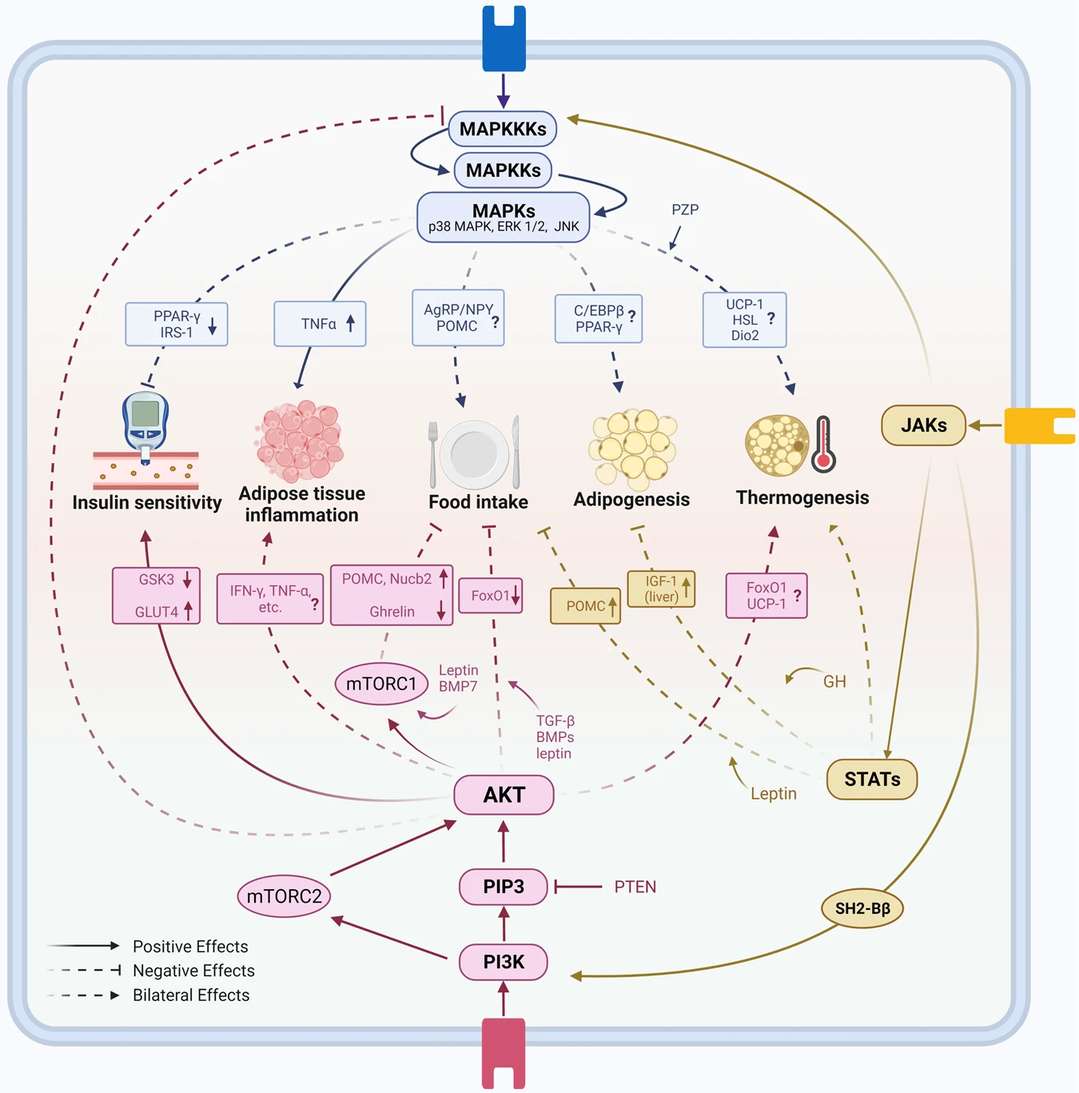 Fig. 2 MAPK, PI3K, and JAK/STAT signaling pathways in obesity pathogenesis
The TGF-β superfamily consists of TGF-β1-3, activins/inhibins, growth differentiation factors (GDFs), myostatin, and BMPs, playing diverse roles in appetite regulation, lipid metabolism, and glucose homeostasis. TGF-β shows dual effects on adipogenesis/adipocyte differentiation. TGF-β inhibits MSC adipocyte commitment by phosphorylating and suppressing PPARγ and C/EBPs expression, through Smad3 signaling. However, pulsed TGF-β1 administration during the commitment phase shows a promotion effect on adipogenesis in MSC by down-regulating SERPINB2 expression.
AMPK is a heterotrimer complex. It is activated by adiponectin, ghrelin, etc. in CNS and LKB1 and CaMKKβ in peripheral tissue, and inactivated by GLP-1, leptin, etc. in CNS and PP2Cα in peripheral tissue. Activation of AMPK in CNS results in hyperphagia, insulin resistance, decreased thermogenesis, and weight gain. While, in adipocytes, it results in inhibited adipogenesis, insulin sensitiveness, enhanced thermogenesis, and weight loss. However, AMPK limits lipolysis since AMPK is an enzyme in case of energy shortage.
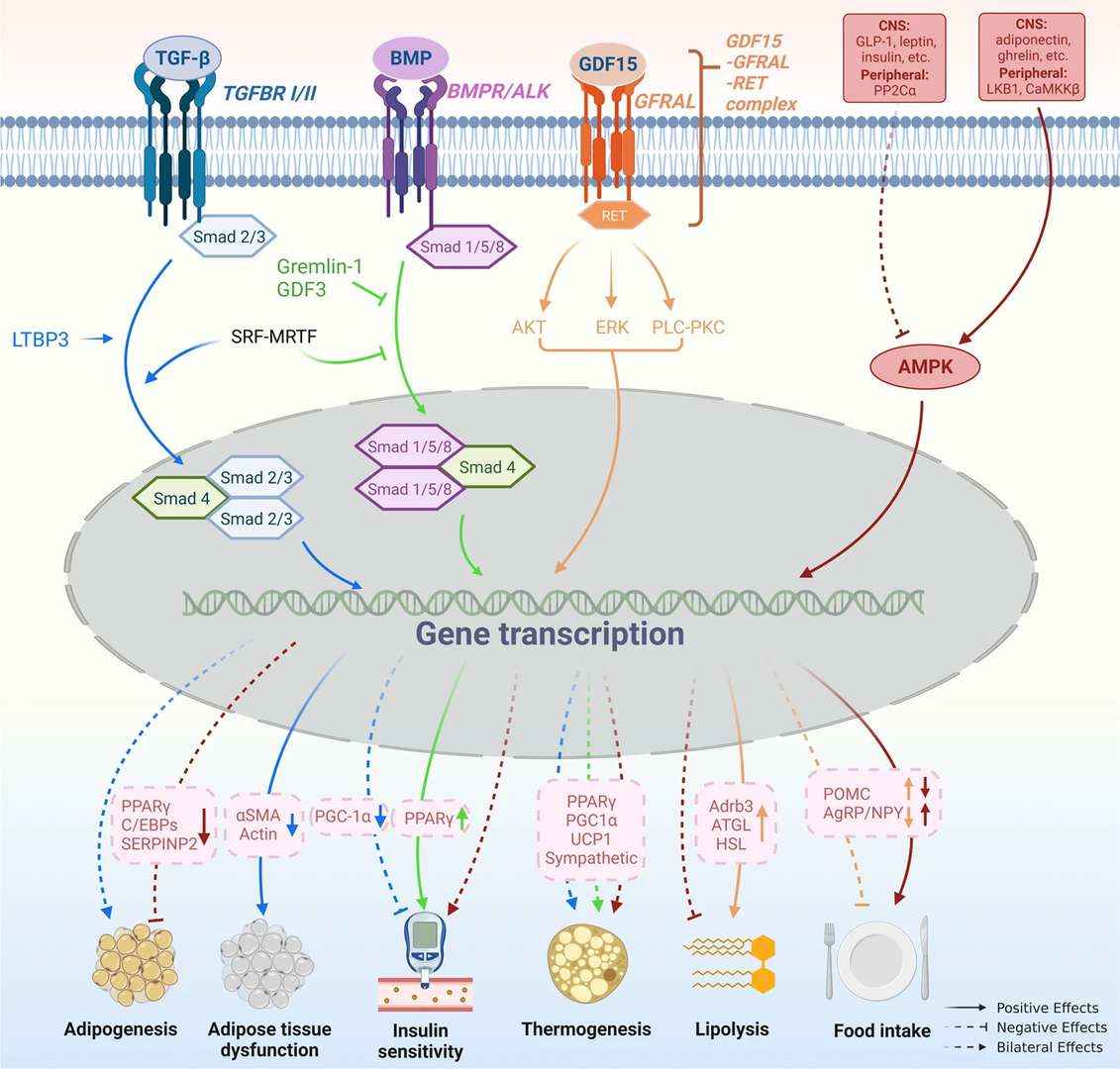 Fig. 3 TGF-β and AMPK signaling pathways in obesity pathogenesis
In the canonical Wnt pathway, upon activation by Wnt proteins, β-catenin is released and enters the nucleus as a transcription coactivator of TCF to regulate the transcription of target genes. The activation of Wnt/β-catenin pathway leads to, (1) the supersession of adipogenesis by down-regulating the expression of PPARγ, C1EBPα, Add1, APM, etc.; (2) the inhibition of BAT-related thermogenesis by down-regulating UCP-1; and (3) the increase of insulin sensitivity by down-regulating GSK3β expression in CNS while up-regulating incretins within the small intestinal epithelium. The canonical Wnt signaling can be stimulated by factors including leptin, OSBPL2, and miRNAs like miR-23b, miR-148b miR-4269, and miR-4429. It can also be inhibited by JAK/STAT3 pathway, CXXC5, and NOTUM. These factors are all involved in the pathogenesis of obesity by regulating Wnt/β-catenin signaling pathway. Additionally, Wnt5a, a part of the non-canonical Wnt pathway, induces obesity-associated inflammation in WAT in a JNK-dependent manner, which further contributes to the occurrence of insulin resistance in adipose tissue.
 Fig. 4 Wnt/β-catenin pathways in obesity pathogenesis
ER stress factors and the involved pathways
Endoplasmic reticulum (ER) is a critical organelle responsible for vital metabolic functions. ER stress refers to a condition in which unfolded or misfolded proteins accumulate in ER and leads to stress conditions. A plethora of evidence from animal and clinical studies shows that elevated ER stress in adipose tissue is induced by obesity, which in turn impairs ER functions and leads to metabolic dysfunction within the cell.
Immune-related pathways
Many of the comorbidities of obesity including T2D and cardiovascular disease are related to the dysimmunity induced by obesity. WAT is composed of various types of cells including adipocytes and immune cells. As an endocrine organ, WAT produces a variety of proinflammatory cytokines and integrates immune signaling in the dysfunctional metabolic status.
Creative Diagnostics offers a series of materials related to obesity targets. Our antibodies cover a comprehensive range of targets and can be applied to multiple platforms to support your project development.
Loading ......
