
Inquiry Basket
 Loading ......
By introducing revolutionary technology, Creative Diagnostics developed the MPAT™ platform to generate antibodies that accurately recognize multi-spanner proteins. The platform applies the most recent structural biology discoveries together with de novo design techniques to generate mimic protein antigens (MMPAs) that accurately replicate the natural structure of multi-spanner proteins. MPAT™ technology surpasses conventional immunization methods and supplies researchers with highly specific high-affinity antibodies to target a broad spectrum of membrane protein targets.
Multi-spanner membrane proteins including G protein-coupled receptors and ion channels serve as essential targets for contemporary drug discovery and biotechnology research. These proteins play a role in several physiological processes that encompass signal transduction and ion transport and extend to cell communication. Creating high-quality antibodies against these targets proves challenging due to their intricate structure and minimal expression levels.
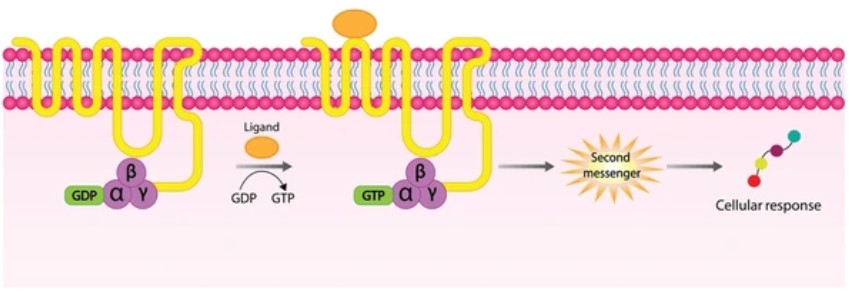 Figure 1. Membrane proteins.
The MPAT™ platform stands out in multi-spanner antibody development through its innovative integration of structural biology, de novo design, and streamlined workflows. Below are the core features and advantages that enable it to overcome the challenges of traditional immunization methods and deliver superior antibody solutions:

MPAT™ technology enables researchers to develop highly specific antibodies which target G protein-coupled receptors (GPCRs), critical drug targets that play roles in signaling pathways associated with cancer, diabetes, and cardiovascular diseases. The platform generates antibodies that control receptor function by using MMPAs which reproduce GPCRs' native shapes and thus supports both drug screening and mechanistic research.

MPAT™ technology offers researchers an effective method for producing antibodies which bind to operational epitopes present in both types of ion channels: voltage-gated and ligand-gated. The antibodies are essential for electrophysiology research as they help validate targets and create ion channel-focused treatments for neurological conditions such as epilepsy and pain management.

Antibodies targeting both established immune checkpoints like PD-1/PD-L1 and CTLA-4 along with emerging checkpoints such as LAG-3, TIGIT, and TIM-3 can be developed using this platform. MPAT™ accurately duplicates extracellular domains of multi-spanner proteins to produce high-affinity antibodies that boost tumor detection and immune response modification in cancer immunotherapy.
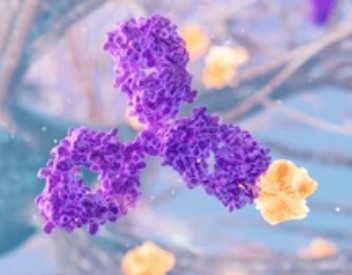
The MPAT™ structural mimicry technique allows antibodies to identify antigens' functional states which exhibit dynamic or conformation-sensitive epitopes including the spike proteins of SARS-CoV-2. The method proves essential in generating neutralizing antibodies and vaccines and reveals antigen-antibody interactions throughout infectious diseases and autoimmune disorders.
Our team of experts uses advanced bioinformatics and structural biology tools to design MMPAs tailored to specific multi-spanner protein targets. We take into account the three-dimensional structure, amino acid sequence, and functional regions of the target protein to create the most effective mimic antigens. After the design is completed, we utilize state-of-the-art protein expression and purification techniques to produce high-quality MMPAs with guaranteed purity and functionality.
Our immunization services utilize the MMPAs generated through the MPAT™ platform to deliver comprehensive solutions. Our skilled technicians select appropriate animal models according to project specifications and execute immunization procedures with strict adherence to protocols. At every stage of the immunization process we track the animals' immune response to verify successful vaccination and adequate production of high-quality antibodies.
After verifying a positive immune response in the immunized animals we proceed with comprehensive antibody screening. Through the use of IHC-Positive Hybridoma Screening process methods we identify hybridomas which produce antibodies with high specificity and affinity for the target multi-spanner protein. The antibodies undergo comprehensive characterization to assess binding kinetics and specificity while identifying potential applications for research and diagnostic assays.
Each research and development project requires a specific set of parameters. Our company provides custom antibody development services through the MPAT™ platform. Our team works with clients to develop custom antibodies that fulfill specific research needs from antigen design through to final production and characterization for basic research, drug discovery or diagnostic purposes.

The first step in the MPAT™ platform workflow is to thoroughly analyze the target multi-spanner protein. We collect all available information about the protein, including its sequence, structure, and functional regions.

Based on the target protein analysis, our experts design the MMPA. The design process involves optimizing the amino acid sequence and three-dimensional structure of the mimic antigen.

Once the design process reaches completion we begin MMPA production. Our expression system choice between bacterial cells and yeast or mammalian cells depends on the specific characteristics of the MMPA.

Scientists use purified MMPA to vaccinate their preferred animal model for testing. Our immunization schedule follows a precise design which usually requires several booster shots to strengthen the immune system's response.

The hybridomas producing positive results undergo further expansion and detailed analysis of their antibody outputs. The characterization process entails measuring the antibody's isotype as well as its binding affinity while also assessing its specificity and cross-reactivity.
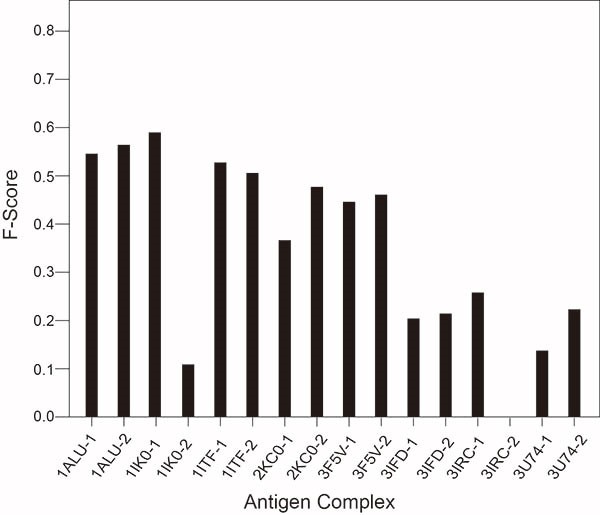 Figure 11. Binding data of antibodies generated by the MPAT™ platform to multi-spanner protein antigens (e.g., 1ALU-1, 2KC0-2), validated via techniques like ELISA or SPR, showcasing specific binding efficiency and key performance metrics of antigen-antibody interactions.
Traditional immunization techniques usually depend on whole cells that over-express the target protein but face limitations from low expression levels and additional non-specific proteins. Mimic protein antigens (MMPAs) within the MPAT™ platform generate antibodies that bind to the target protein in its native structure. The process yields antibodies with superior quality while operating with greater efficiency.
The MPAT™ platform allows for compatibility with many multi-spanner proteins such as GPCRs, ion channels and transporters. Multi-spanner proteins appear in many diseases but traditional targeting methods find them difficult to address.
The MPAT™ platform produces antibodies that work effectively for basic scientific investigation and clinical treatment development. Antibodies generated by the MPAT™ platform serve purposes in diagnostic assays and contribute to therapeutic development as well as biomarker discovery.
Loading ......
