
Inquiry Basket
 Loading ......
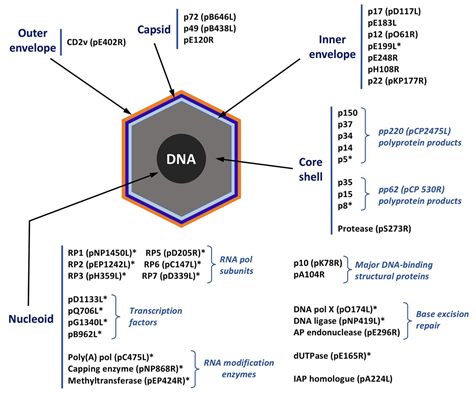 Fig. 1 ASFV atlas (Alí Alejo, et al. 2018)
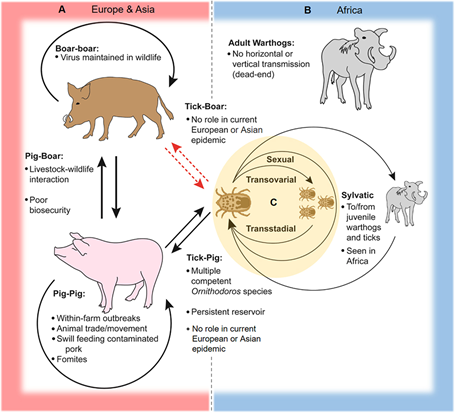 Fig. 2 Schematic of ASFV transmission cycles (Natasha N Gaudreault, et al. 2020)
African swine fever is endemic in sub-Saharan Africa. In Europe, it has been endemic in Sardinia for several decades. In 2007 outbreaks occurred in Georgia, Armenia, Azerbaijan and the European part of Russia, Ukraine, and Belarus. The typical signs of African swine fever are similar to classical swine fever, and the two diseases normally have to be distinguished by laboratory diagnosis. Symptoms include fever, loss of appetite, lack of energy, abortions, internal bleeding, with haemorrhages visible on the ears and flanks. Sudden death may occur.
African swine fever virus (ASFV) is a viral disease of pigs and wild boar that is usually deadly. There are neither vaccines nor cures. For this reason, it has serious socio-economic consequences in affected countries. Humans are not susceptible to the disease. The disease can be spread directly through contact. It can also be spread indirectly through feeding infected pig meat and /or pork products, species of soft tick in some regions and possibly blood sucking flies or insects and through contaminated objects (fomites) such as vehicles, clothes, equipment etc.
ASFV is a large complex DNA virus and is the only member of the Asfarviridae family, genus Asfivirus. It is a large icosahedral DNA virus which replicates predominantly in the cytoplasm of infected cells. The ASFV double-stranded DNA genome varies in length from about 170 to 193 kbp depending on the isolate and contains between 150 and 167 open reading frames. The ASFV genome encodes 150 to 200 proteins, around 50 of them structural. These proteins, such as pp220, pp62, p72, p54, p30, and CD2v, serve as the major component of virus particles and have roles in attachment, entry, and replication.
Loading ......
