
Inquiry Basket
 Loading ......
Creative Diagnostics utilizes its IHC-Positive Hybridoma Screening Platform to overcome these challenges with a specialized multi-step workflow that targets the isolation of hybridoma clones which produce antibodies identifying both native and denatured epitopes. Our proficiency in hybridoma technology and antigen presentation allows us to provide comprehensive solutions for producing validated mAbs with reliable functionality in paraffin-embedded tissue sections which remain the benchmark for IHC applications.
Immunohistochemistry (IHC) functions as an essential tool in biomedical research and clinical diagnostics because it allows researchers to visualize protein expression within tissue specimens. The application of this technique ranges from identifying cancer biomarkers to confirming therapeutic targets. This highlights the critical need for IHC-compatible monoclonal antibodies with high specificity. The creation of IHC-compatible antibodies presents special difficulties mainly because antigen denaturation during tissue fixation and embedding procedures results in changed epitope availability.
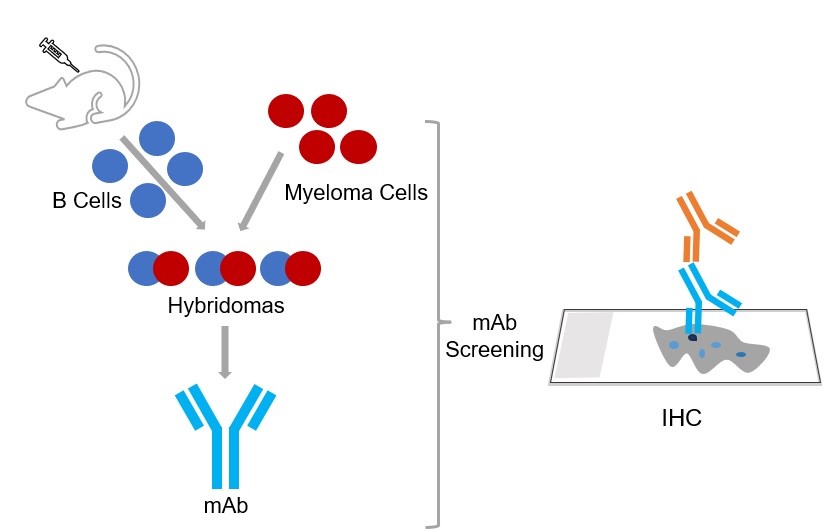 Figure 1. Introduction to IHC-positive hybridoma screening.
Our platform stands apart from traditional hybridoma screening because it specifically considers antigen denaturation throughout tissue processing. During animal immunization we use fixative-treated immunogens including formalin-fixed antigens alongside denatured protein constructs to replicate the structural transformations antigens experience in paraffin-embedded tissue samples. The technique maximizes the chances of isolating hybridomas which generate antibodies against epitopes that remain detectable in IHC analyses despite potential differences from native state screenings.
The antibody specificity of our screening process relies on orthogonal assays that work together in a rigorous pipeline.
We use automated staining technology together with tissue microarrays (TMAs) to test hundreds of hybridoma clones at the same time. Researchers can perform simultaneous testing across various tissue types using TMAs which helps expedite the discovery of antibodies that target specific staining patterns such as cytoplasmic, nuclear or membranous locations. The enhanced efficiency shortens project timelines by 30–50% when compared with traditional single-slide screening methods.
Our platform integrates diverse techniques to support multi-dimensional antibody characterization:
| Assay Type | Purpose |
| ELISA | Quantitative binding affinity assessment |
| Western Blot | Detection of denatured epitopes |
| Immunoprecipitation | Analysis of native epitope interactions |
| IHC/ICC | Tissue/cell-based localization validation |
This cross-validation ensures antibodies perform consistently across applications, from bench research to clinical diagnostics.
Cutting-Edge Application Fields
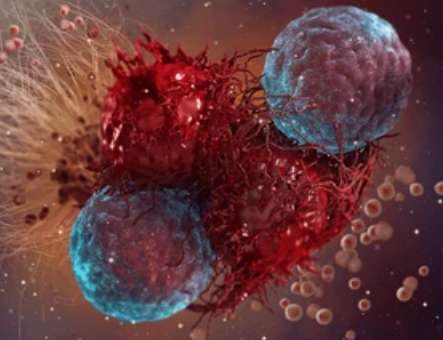
Cancer Immunotherapy
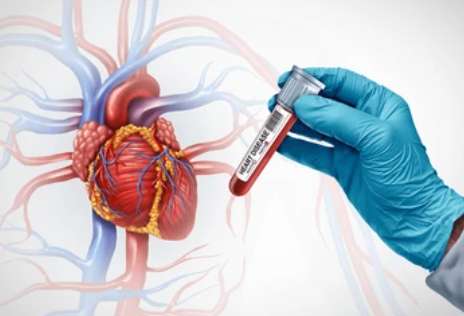
Biomarker Discovery

Drug Development
At Creative Diagnostics, we understand that the journey from antigen to validated IHC-positive antibody requires precision at every stage. Our IHC-positive hybridoma screening platform is not just a technology—it's a collaborative partnership designed to overcome the unique challenges of tissue-based antibody discovery. Below is a detailed overview of our end-to-end services, tailored to meet the diverse needs of researchers and developers alike.


In IHC, antibody specificity is hard to validate due to limited controls, though gene-knockout tissues or transgenic fusion proteins can serve as references. Thus, orthogonal assays like ELISA, Western Blot (WB), or IP are needed to confirm antigen binding. Then the antibody can be tested in IHC assays; the staining must be specific, i.e. positive not to all tissues or cells and the staining is significantly stronger than the control isotype-matched negative control antibodies. Therefore, to obtain IHC-positive antibodies, we first use ELISA, Western Blotting [for denatured epitopes] and/or Immuno-precipitation [for native epitopes] to select the positive binders.

Design and conjugate native/denatured immunogens to carriers before immunizing animals (mice, rats, rabbits) with adjuvant-formulated antigens, prioritizing denatured forms to target IHC-relevant epitopes.

Isolate splenocytes from immunized animals and fuse them with myeloma cells via PEG or electrofusion, followed by selecting hybridomas in HAT medium to eliminate unfused parental cells.

Screen clones via primary assays (ELISA/Western Blot for denatured epitopes and IP for native epitopes), then validate top candidates through secondary assays using IHC.

Expand positive hybridoma clones, retest for consistent binding and staining performance, and conduct cross-reactivity testing on diverse tissue arrays (e.g., human normal/cancer tissues).

Deliver validated hybridoma cell lines, purified antibodies, and detailed characterization reports encompassing binding data, staining images, and cross-reactivity results.
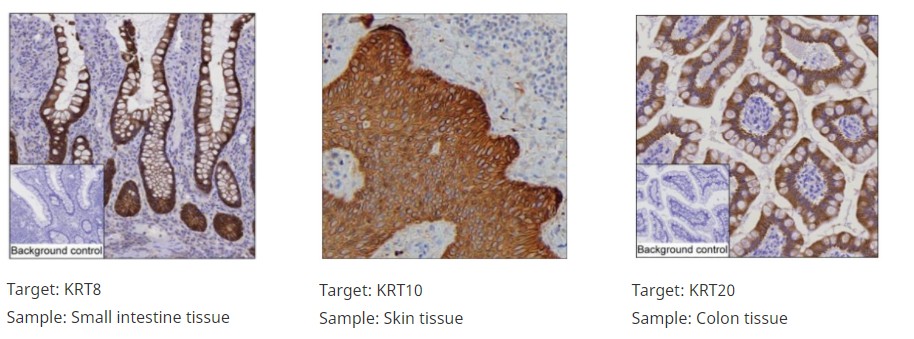 Figure 5. Case Study of IHC-Positive Hybridoma Screening Platform. The image shows IHC staining results for keratin markers in human tissue samples (small intestine, skin, colon), demonstrating specific localization of antibodies developed through the IHC-positive hybridoma screening platform.
Creative Diagnostics' IHC-Positive Hybridoma Screening Platform serves as a robust instrument for scientists searching for superior and precise antibodies suitable for both IHC and ICC studies. Through sophisticated hybridoma screening and stringent validation procedures Creative Diagnostics guarantees that their final antibodies perform effectively both in solutions and complex tissue environments. Researchers specializing in oncology, pathology or molecular biology who require dependable and consistent IHC reagents will find this platform to be perfect for their needs. Reach out to us today to discover our service offerings and learn how we can assist with your research needs.
Our system emphasizes IHC-relevant epitopes through denatured antigen screening and FFPE tissue analysis while conventional methods typically target native epitopes. The antibodies maintain their optimal performance when exposed to tissue fixation and staining conditions.
Currently, our platform is optimized for paraffin-embedded tissues. For cryosection applications, we recommend parallel screening using native antigen-based assays, as epitopes are more preserved in frozen samples.
Our proprietary Magic™ adjuvant formulations alongside multi-stage immunization schedules function to boost immune responses. We attach antigens to carrier proteins such as KLH when working with haptens or small molecules to increase their immunogenicity.
Loading ......
