
Inquiry Basket
 Loading ......
Diabetes mellitus (DM), commonly referred to as diabetes, is a chronic metabolic disorder characterized by elevated blood glucose levels. DM represents a major health problem in the 21st century. Earlier detection and therapy of DM will result in significant long-term health benefits. At present, immunoassays are widely used to determine HbA1c, C-peptide, insulin, and autoantibodies to beta cell proteins, which are essential biomarkers for the diagnosis and classification of diabetes mellitus. Besides, many other biomarkers also have been used for diagnostic tests and monitoring for diabetes.
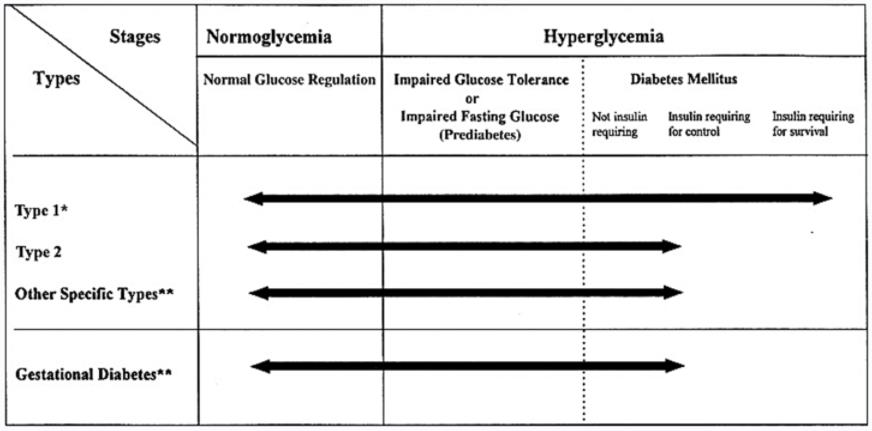 Fig. 1 Disorders of glycemia: etiologic types and stages. (American Diabetes Association. Diabetes Care. 2013)
Diabetes can be classified into four general categories:
The pathogenesis of diabetes is related to various diabetes-related signaling pathways, such as insulin signaling pathway, glucagon signaling pathway, and omentin signaling pathways. These signaling pathways have thus become the major source of the promising novel drug targets to treat metabolic diseases and diabetes.
The determination of biomarkers is essential for the laboratory diagnosis of diabetes. Immunoassays are biochemical test systems for determining the concentrations of proteins or small molecules by using antibodies. In diabetology, it is clinically important to detect the presence and quantification of endogenous antigen and antibodies. For quantification of biomarkers in clinical chemistry, two general formats are used: the competitive and the non-competitive immunoassay. Several immunoassays have been developed for many important biomarkers (e.g., HbA1c, C-peptide, insulin, etc.)
Creative Diagnostics has released a series of products for diabetes research, which cover comprehensive biomarker targets and hopes to help in the diagnosis and treatment of diabetes.
Loading ......
