
Inquiry Basket
 Loading ......
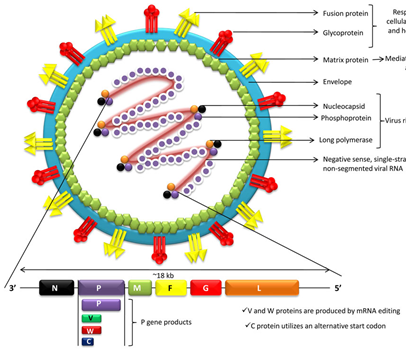 Fig. 1. Structure of Nipah virus (Raj Kumar Singh, et al. 2019)
 Fig. 2 Transmission of the Nipah virus (Raj Kumar Singh, et al. 2019)
Nipah virus (NiV) is an emerging zoonotic pathogen that causes severe febrile encephalitis resulting in death in 40% to 75% of human cases. NiV is considered a biosafety level-4 pathogen and is listed as a select agent with high risk for public health and security due to its high mortality rate in people and the lack of effective vaccines or therapies. The natural reservoir for NiV and related members of the genus Henipavirus are fruit bats of the genus Pteropus. NiV emerged in Malaysia in 1998 as a porcine neurologic and respiratory disease that spread to humans who had contact with live, infected pigs. NiV disease is a zoonotic disease characterized by fever, constitutional symptoms, and encephalitis, sometimes accompanied by respiratory illness.
NiV infection can be diagnosed during illness or after recovery. Different tests are available to diagnose NiV infection. During early stages of the illness, laboratory testing can be conducted using RT-PCR from throat and nasal swabs, cerebrospinal fluid, urine, and blood. Later in the course of illness and after recovery, testing for antibodies is conducted using ELISA. Currently there are no licensed treatments available for NiV infection. Immunotherapeutic treatments (monoclonal antibody therapies) that are currently under development and evaluation for treatment of NiV infections. One such monoclonal antibody, m102.4, has completed phase 1 clinical trials and has been used on a compassionate use basis.
NiV has an envelope with filamentous nucleocapsids, the genome consists of a single-stranded negative-sense RNA of approximately 18.2 kb. The genome encodes for six major structural proteins: nucleocapsid (N), phosphoprotein (P), matrix protein (M), fusion protein (F), glycoprotein (G), and large protein or RNA polymerase (L). In addition, the P gene encodes three nonstructural proteins by RNA editing (V and W proteins) or an alternative open reading frame (C protein).
Loading ......
