
Inquiry Basket
 Loading ......
The rapid development of polypeptide drugs benefits from its incomparable advantages such as significant activity, strong specificity, high affinity with receptors, and low toxicity. Therapeutic polypeptides often act as hormones, growth factors, neurotransmitters, ion channel ligands, or anti-infective agents. They bind to cell surface receptors and trigger intracellular effects with high affinity and specificity.
At present, more than 80 peptide drugs have been approved in the world. For example, enfuvirtide is a 36-amino acid biomimetic peptide mimicking human immunodeficiency virus (HIV) proteins used in combination therapy for the treatment of HIV-1; Liraglutide is a chemically synthesized analogue of human glucagon-like peptide 1(GLP-1), which acts as a GLP-1 receptor agonist to manage type 2 diabetes mellitus (T2DM). In addition, there are thalidomide (cyclosporin A, an immunomodulatory), tumor treatment drug doxorubicin (docetaxel), etc. All these peptide drugs have been used in a wide range of therapeutic areas, such as urology, respiratory, pain, oncology, metabolic, cardiovascular, and antimicrobial applications. To date, more than 170 peptides are in active clinical development, with many more in preclinical studies.
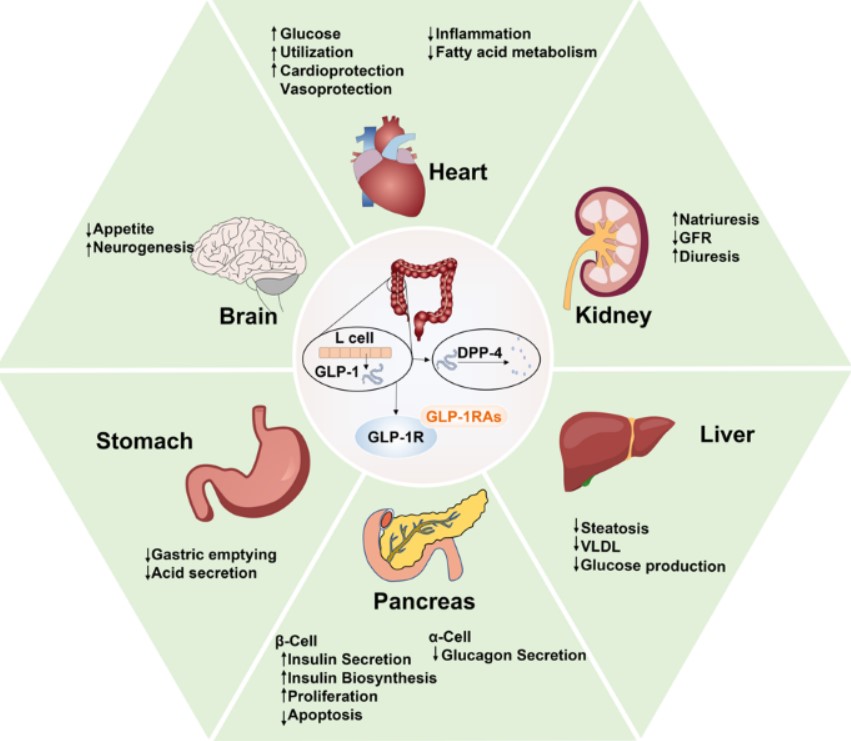 Figure 1. Application areas of polypeptide drugs
The bioanalysis of polypeptide drugs mainly includes pharmacokinetic, toxicokinetic, and anti-drug antibody ADA tests. The methods used include LC-MS/MS and LBA (ligand binding assay). As the most commonly used method for analyzing peptide drugs, LBA is based on the specific recognition of antibodies to analytes/antigens to quantitatively analyze target peptides, mainly including ELISA, Radioimmunoassay (RIA), Meso Scale Discovery (MSD), etc.
Among these approaches, ELISA is the most commonly applied approach for accurately quantifying biological therapeutics in the context of PK assessment for preclinical and clinical studies. At the same time, fluorescence-based detection methods have been implemented into traditional ELISA to improve assay sensitivity. Electrochemiluminescent detection technology (e.g., MSD) using SULFO-TAG label as a detection reagent is another approach to increase ELISA sensitivity, amplifying the detection signal by multiple excitation cycles, and potentially for low background noise. While, RIA is a competitive binding reaction between the tested drug (Ag), labeled drug (mostly 125 Iodine-Ag), and antibody (Ab). The specificity of this method depends on the affinity between the antigens and antibodies, and the purity of the labeled drug.
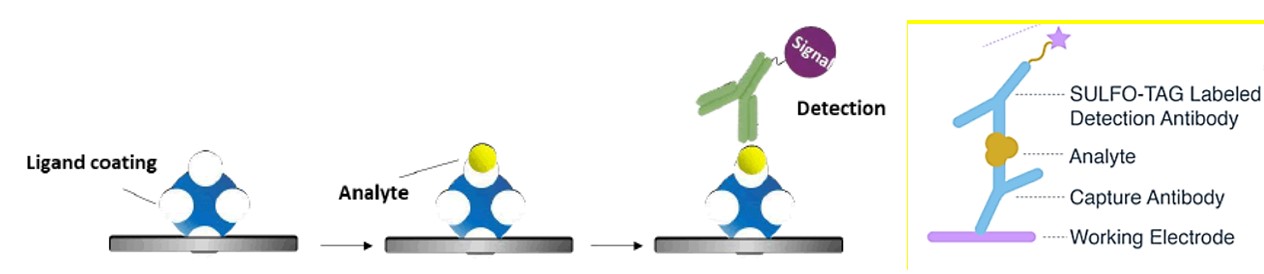 Figure 2. The detection principle of polypeptide drug ELISA and MSD tests
Creative Diagnostics has developed a portfolio of polypeptide drug antibodies to assist our global customers in their preclinical and clinical safety/efficacy testing of polypeptide drugs. Please browse our list for specific products.
Loading ......
