























Inquiry Basket
 Loading ......
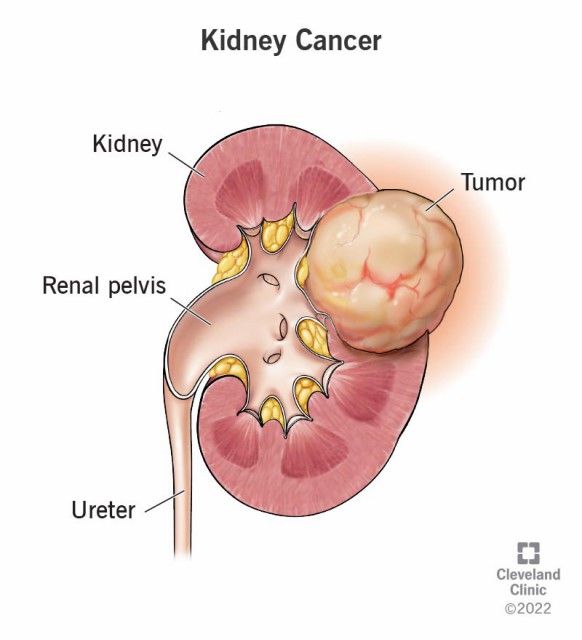
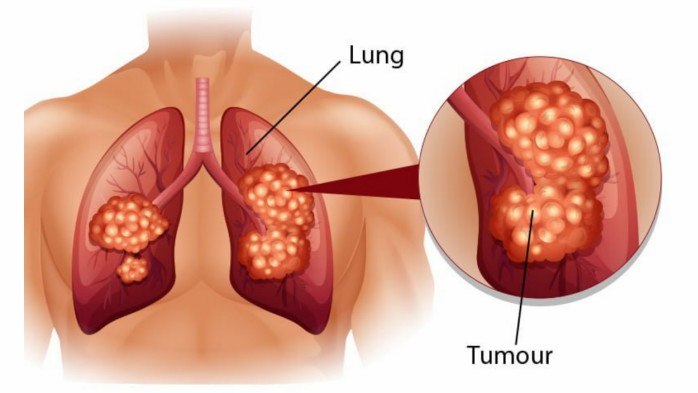
Cancer is a large group of diseases that can start in almost any organ or tissue within the body when abnormal cells grow uncontrollably. Then, invade adjacent parts beyond their usual boundaries and/or spread to other organs, which is called metastasis and is the main cause of cancer death. Cancer is the second leading cause of death globally, with approximately 19.3 million new cancer cases and nearly 10 million cancer deaths worldwide in 2020, besides, the cancer burden continues to grow globally.
As the building blocks of the body's immune response, antibodies can provide important data to support scientific research. CD provides thousands of different antibodies that can be used in a variety of applications in cancer molecular mechanism and targeted therapy research, including but not limited to Inhibition, Blocking, Neutralization, IHC, ELISA, and FC. More than 100 types of cancer have been identified, moreover, the type of cancer is usually named after the organ or tissue in which the cancer forms. A list of cancer panels and cell types is provided to search for specific antibody products of cancer biomarkers and pathway targets based on your objectives of study.
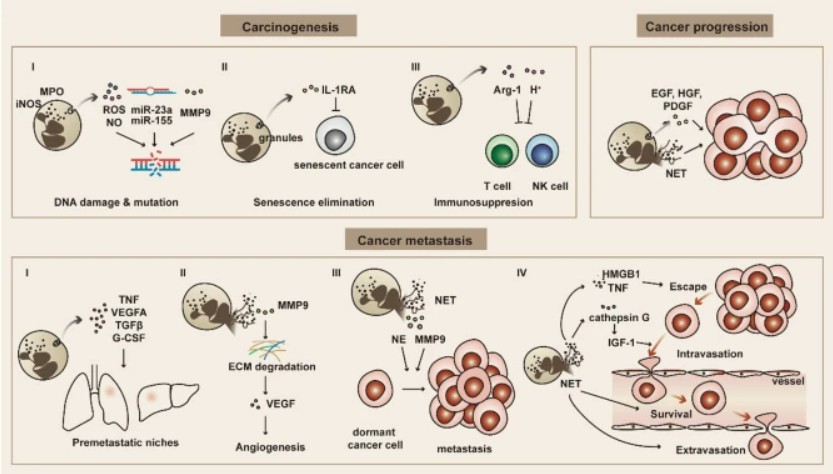
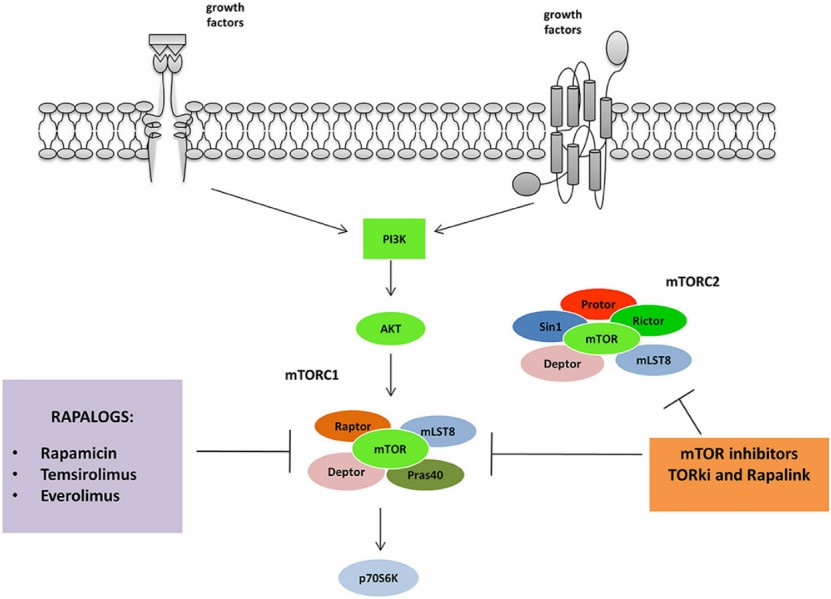
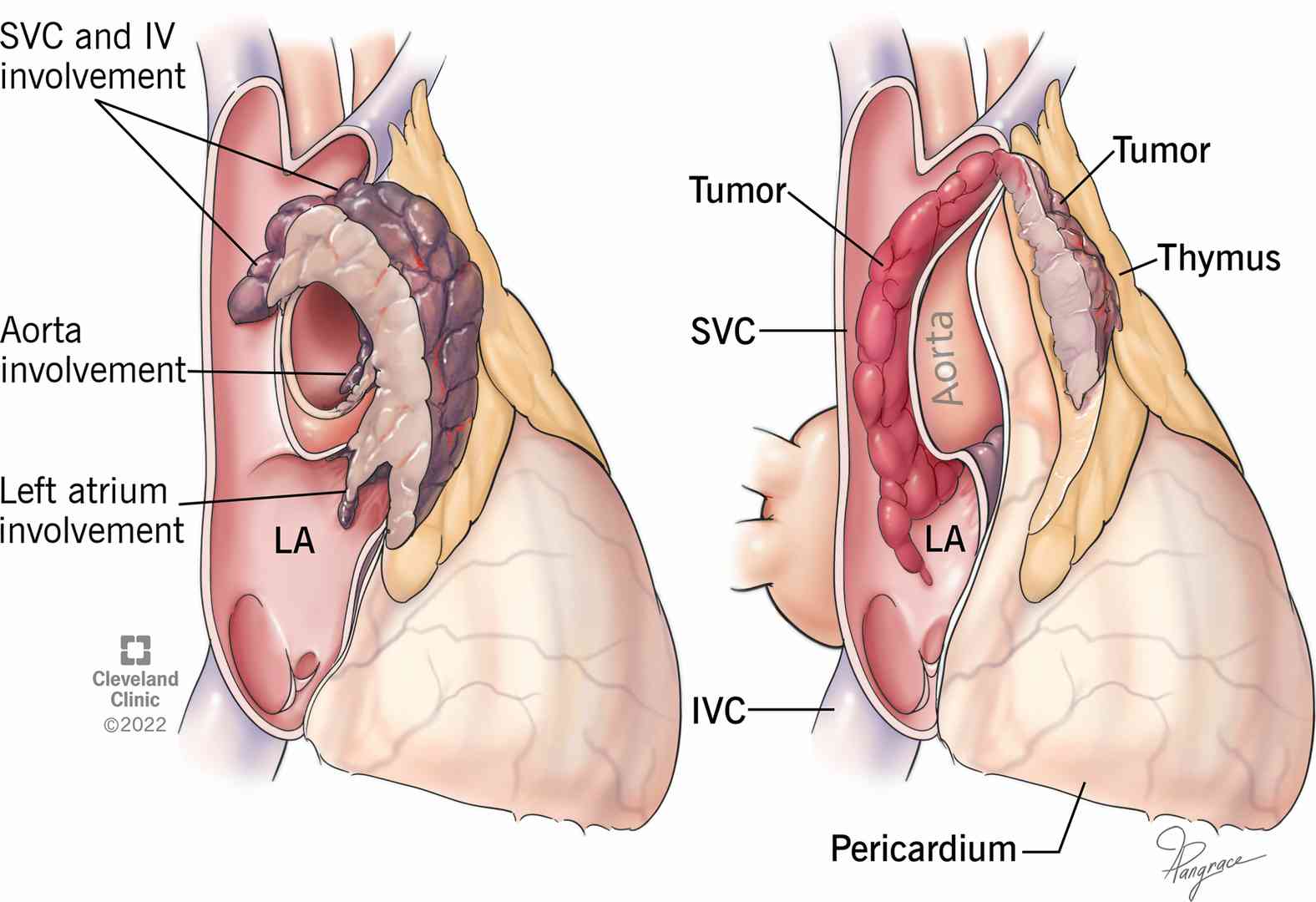
Cancer is driven by genetic and epigenetic changes that allow cells to hyperproliferate and evade the mechanisms that normally control their survival and migration. Many of these alterations map to signaling pathways that control cell growth and division, cell death, cell fate, and cell motility, and can be placed in broader signaling networks that promote cancer progressions. Mutations that convert cellular proto-oncogenes into oncogenes can lead to the overactivation of these signaling pathways, while the inactivation of tumor suppressors eliminates key negative regulators of these signaling. After a tumor expands, the central part of the tumor loses access to oxygen and nutrients, often leading to the growth of new blood vessels (angiogenesis), which restores access to nutrients and oxygen. Subsequently, tumor cells can develop the ability to invade the tissue beyond their normal boundaries, enter the circulation, and seed new tumors at other locations (metastasis).
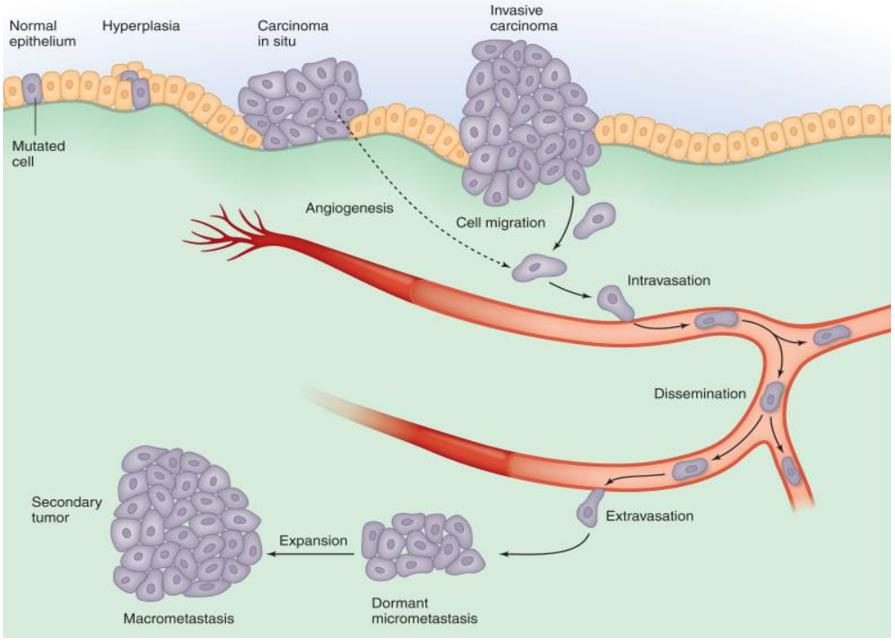 Fig. 1 Cancer progression
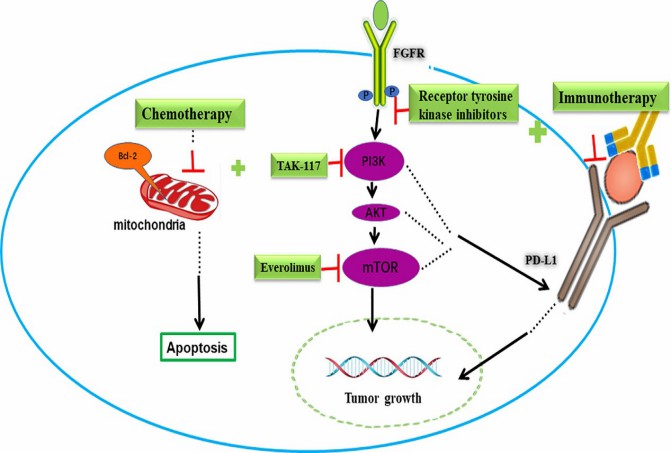
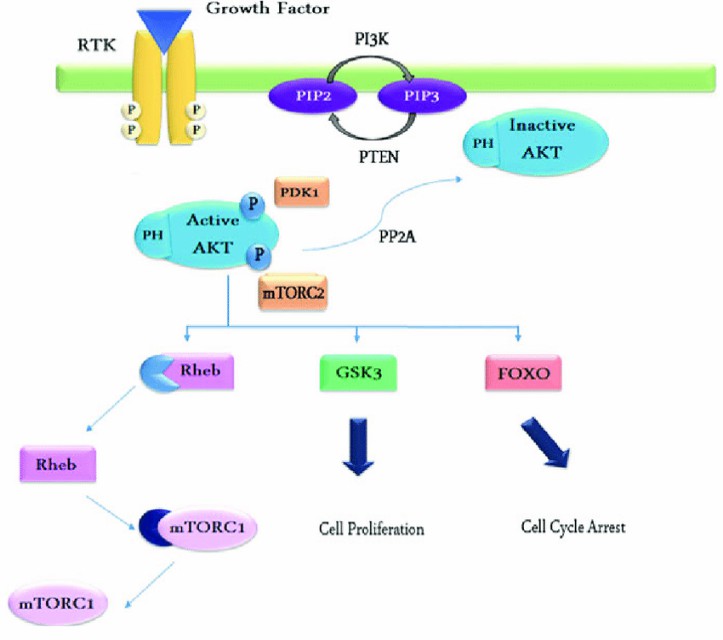
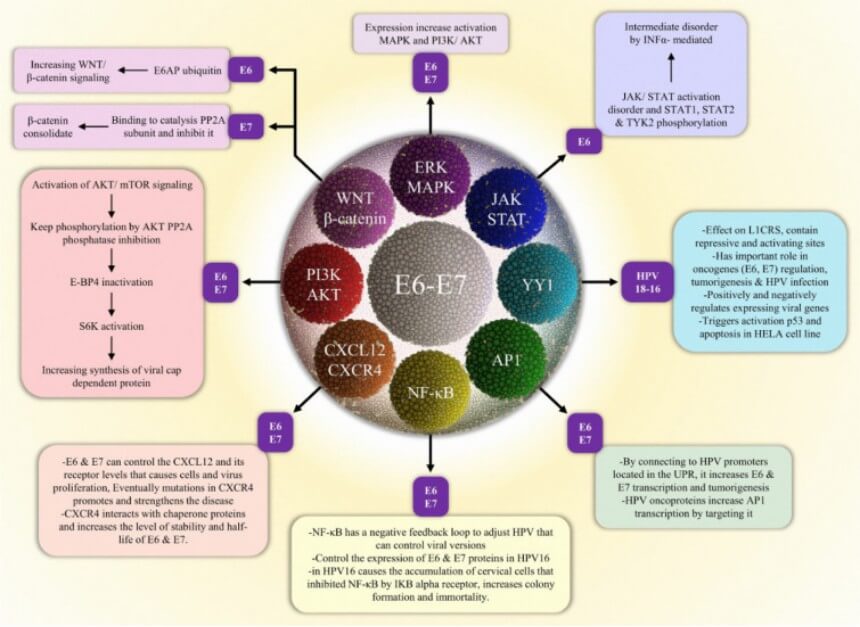
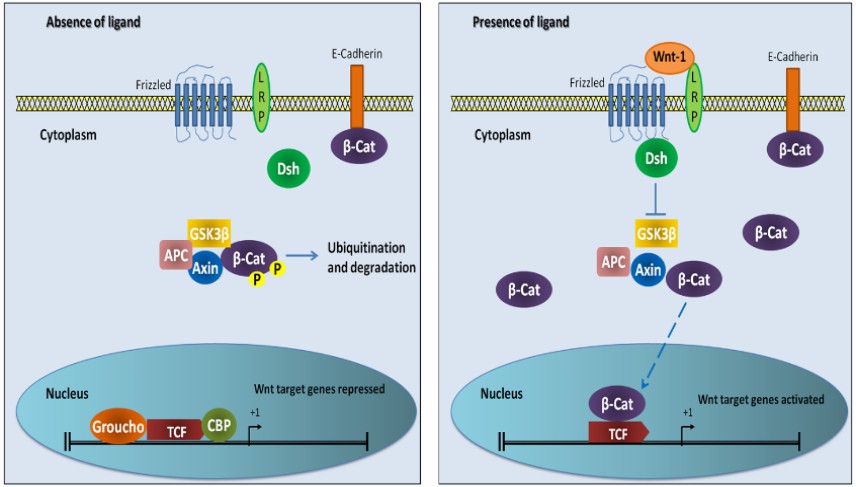
The intersection of signaling pathways will form a complex network, moreover, the same protein or gene can participate in different pathways in different roles. Exploring the molecular mechanism is an important part of tumor research. Through the exploration of cancer biomolecular mechanisms and signal transduction pathways, the changes in DNA and proteins that lead to cancer can be well discovered, which helps explore the key targets along with their druggability, assisting in the development of targeted anti-tumor drugs.
Small-molecule drugs are often used to target intracellular targets (mainly multikinase inhibitors), such as sorafenib, sunitinib (inhibit VEGFR1, VEGFR2, KIT, PDGFR-α, etc.), and bevacizumab (anti-VEGF monoclonal antibody).
Monoclonal antibodies, for example, trastuzumab (anti-HER 2) and rituximab (anti-CD20), can label cancer cells by recognizing cell surface markers so that the immune system can better observe as well as destroy these cancer cells, or directly prevent them from growing or cause them to die by blocking relevant pathway sites.
ADCs, such as Moxetumomab pasudotox and loncastuximab tesirine, are monoclonal antibodies used in combination with cell-killing substances such as toxins, or chemotherapy drugs. These monoclonal antibodies attach to their targets on the surface of cancer cells, as a guide of cell-killing substances to cancer cells.
Immune checkpoint molecules constitute inhibitory and stimulatory pathways that maintain self-tolerance as well as assist immune responses. Approved immune checkpoint inhibitors include Ipilimumab (anti-CTLA-4), pembrolizumab and nivolumab (anti-PD-1), and Atezolizumab (anti-PD-L1), etc. In addition, drugs targeting the novel immune checkpoint LAG-3 are being actively researched.
Detection of cancer biomarkers can be used for auxiliary diagnosis of cancer and differentiation of cancer subtypes, which helps provide more precise medical treatment strategies. Another application is for prognosis. Detection and ongoing monitoring of relevant biomarkers can assist in determining the aggressiveness of the tumor, the feasibility and the efficacy of given treatment, along with predicting or monitoring cancer recurrence.
In addition to searching for the products you need based on different cancer panels, we also summarize the common signaling pathways in cancer research. If you have research on specialized signaling pathways, such as EGF/EGFR pathway, ALK pathway, DNA/PK signaling pathway Etc., you can search through our signaling pathway section to obtain more detailed information, including the pathway process, major protein members involved, and the signaling pathways related research, etc.
Loading ......
