
Inquiry Basket
 Loading ......
Autoantigens are self-derived molecules that become recognized by the adaptive immune system after tolerance is lost. They may be intracellular enzymes, nuclear ribonucleoproteins, membrane receptors, structural matrix proteins, microbial-response proteins, or tissue-restricted differentiation antigens. In autoimmune and immune-mediated diseases, the target profile is not simply a diagnostic label; it reflects the tissue compartment exposed to inflammation, the route of antigen presentation, the immunoglobulin class or subclass involved, and the effector mechanisms that translate autoantibody binding into tissue injury. For reagent development, assay design, and mechanistic research, each autoantigen should therefore be considered in relation to its native localization, conformational state, post-translational modification, biological function, and disease-associated epitope pattern.
Autoimmune hepatitis is a chronic immune-mediated liver disease characterized by interface hepatitis, hypergammaglobulinemia, and autoantibody profiles that help classify disease phenotypes. The autoantigens include cytoskeletal proteins, nuclear antigens, microsomal enzymes, cytosolic enzymes, and liver-enriched metabolic proteins. Some antibodies are highly disease informative, such as anti-SLA/LP and anti-LKM-1, whereas others such as ANA and smooth muscle antibodies overlap with broader autoimmune conditions. Antigen interpretation must account for age, disease type, viral hepatitis exclusion, drug-induced liver injury, and overlap with cholestatic autoimmune liver diseases.
Several recurring mechanisms explain how normally tolerated proteins become immunogenic. Cell stress, apoptosis, necrosis, degranulation, extracellular trap formation, defective clearance of immune complexes, microbial mimicry, and oxidative or enzymatic modification can all increase antigen availability. Once antigen is released or redistributed, antigen-presenting cells process peptides and activate autoreactive T cells. B cells receiving T-cell help undergo clonal expansion, affinity maturation, and class switching, producing antibodies that may serve as biomarkers, pathogenic mediators, or both. The clinical value of an autoantigen depends on antigen quality: recombinant proteins should preserve relevant epitopes, native proteins may retain conformational and post-translational features, and peptide antigens are useful when the dominant epitope is linear and well defined.
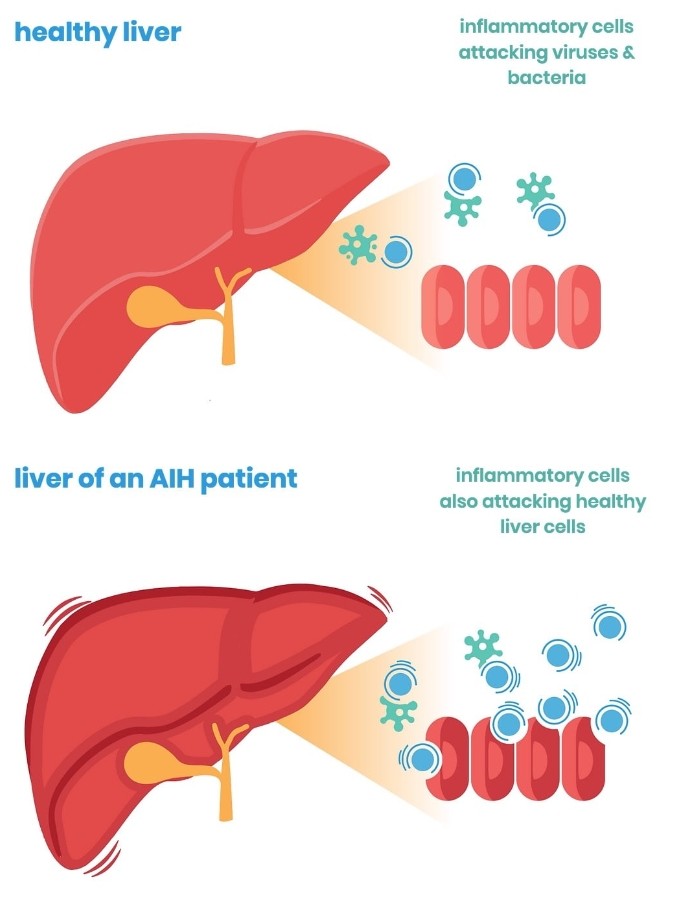 Fig. 1 Mechanisms of Immunogenicity in Autoimmune Hepatitis
The classical and commonly used targets include:
These targets should be selected according to the intended research question, assay platform, desired sensitivity and specificity, sample matrix, and whether the study requires native conformational epitopes, recombinant full-length protein, antigenic domains, or synthetic peptide epitopes.
| Target | Location | Function | Immunological Role |
| Smooth muscle antigen / F-actin | Cytoskeleton of smooth muscle and hepatocytes | Actin filament structure and contractile support | Classical type 1 autoimmune hepatitis marker |
| Antinuclear antigens | Hepatocyte nuclei and systemic nuclear compartments | DNA, chromatin, and ribonucleoprotein regulation | Common type 1 AIH-associated autoantibody pattern |
| Liver kidney microsomal antigen type 1 (CYP2D6) | Endoplasmic reticulum microsomes | Cytochrome P450 drug metabolism | Classical type 2 autoimmune hepatitis target |
| Liver cytosol type 1 antigen (FTCD) | Hepatocyte cytosol | Formiminotransferase cyclodeaminase in folate metabolism | Type 2 AIH-associated target often accompanying anti-LKM-1 |
| Soluble liver antigen/liver pancreas antigen (SLA/LP; SEPSECS) | Cytosol | Selenocysteine tRNA-related protein synthesis pathway | Highly specific AIH marker with strong diagnostic value |
| Asialoglycoprotein receptor (ASGPR) | Hepatocyte sinusoidal membrane | Clearance of desialylated glycoproteins | Liver-specific target studied in AIH activity and tissue injury |
| Mitochondrial antigens (overlap context) | Mitochondrial inner membrane enzyme complexes | Oxidative metabolism | Relevant in AIH-PBC overlap rather than classical isolated AIH |
Anti-smooth muscle antibodies are often directed against F-actin. F-actin reactivity is more specific than broad smooth muscle staining and reflects cytoskeletal autoimmunity.
Localization and function: Smooth muscle antigen / F-actin is primarily associated with cytoskeleton of smooth muscle and hepatocytes. Its biological role centers on actin filament structure and contractile support. This native context is important because antibody accessibility often depends on cell activation, tissue injury, secretion, apoptosis, or extracellular deposition.
Immunological relevance: Classical type 1 autoimmune hepatitis marker. In research applications, this target may be used alone when a focused hypothesis is required, or combined with related antigens to resolve overlapping phenotypes, broaden analytical coverage, or compare dominant and secondary immune responses.
ANA positivity supports AIH in the proper clinicopathologic context but is not disease-specific. It may coexist with SMA and hypergammaglobulinemia.
Localization and function: Antinuclear antigens is primarily associated with hepatocyte nuclei and systemic nuclear compartments. Its biological role centers on dna, chromatin, and ribonucleoprotein regulation. This native context is important because antibody accessibility often depends on cell activation, tissue injury, secretion, apoptosis, or extracellular deposition.
Immunological relevance: Common type 1 AIH-associated autoantibody pattern. In research applications, this target may be used alone when a focused hypothesis is required, or combined with related antigens to resolve overlapping phenotypes, broaden analytical coverage, or compare dominant and secondary immune responses.
CYP2D6 is the principal LKM-1 antigen. Anti-LKM-1 is more common in pediatric AIH type 2 and may require differentiation from hepatitis C-associated antibodies.
Localization and function: Liver kidney microsomal antigen type 1 (CYP2D6) is primarily associated with endoplasmic reticulum microsomes. Its biological role centers on cytochrome p450 drug metabolism. This native context is important because antibody accessibility often depends on cell activation, tissue injury, secretion, apoptosis, or extracellular deposition.
Immunological relevance: Classical type 2 autoimmune hepatitis target. In research applications, this target may be used alone when a focused hypothesis is required, or combined with related antigens to resolve overlapping phenotypes, broaden analytical coverage, or compare dominant and secondary immune responses.
Anti-LC1 antibodies may occur with or without LKM-1 and are linked to liver-specific cytosolic antigen exposure.
Localization and function: Liver cytosol type 1 antigen (FTCD) is primarily associated with hepatocyte cytosol. Its biological role centers on formiminotransferase cyclodeaminase in folate metabolism. This native context is important because antibody accessibility often depends on cell activation, tissue injury, secretion, apoptosis, or extracellular deposition.
Immunological relevance: Type 2 AIH-associated target often accompanying anti-LKM-1. In research applications, this target may be used alone when a focused hypothesis is required, or combined with related antigens to resolve overlapping phenotypes, broaden analytical coverage, or compare dominant and secondary immune responses.
Anti-SLA/LP is considered one of the most specific serological markers for AIH. Recombinant antigen design is important because conformational and linear epitopes may both contribute.
Localization and function: Soluble liver antigen/liver pancreas antigen (SLA/LP; SEPSECS) is primarily associated with cytosol. Its biological role centers on selenocysteine trna-related protein synthesis pathway. This native context is important because antibody accessibility often depends on cell activation, tissue injury, secretion, apoptosis, or extracellular deposition.
Immunological relevance: Highly specific AIH marker with strong diagnostic value. In research applications, this target may be used alone when a focused hypothesis is required, or combined with related antigens to resolve overlapping phenotypes, broaden analytical coverage, or compare dominant and secondary immune responses.
ASGPR is hepatocyte-enriched and may connect humoral recognition with hepatocyte-directed injury.
Localization and function: Asialoglycoprotein receptor (ASGPR) is primarily associated with hepatocyte sinusoidal membrane. Its biological role centers on clearance of desialylated glycoproteins. This native context is important because antibody accessibility often depends on cell activation, tissue injury, secretion, apoptosis, or extracellular deposition.
Immunological relevance: Liver-specific target studied in AIH activity and tissue injury. In research applications, this target may be used alone when a focused hypothesis is required, or combined with related antigens to resolve overlapping phenotypes, broaden analytical coverage, or compare dominant and secondary immune responses.
AMA reactivity is not typical of classical AIH but may appear in overlap syndromes and should be interpreted with cholestatic features.
Localization and function: Mitochondrial antigens (overlap context) is primarily associated with mitochondrial inner membrane enzyme complexes. Its biological role centers on oxidative metabolism. This native context is important because antibody accessibility often depends on cell activation, tissue injury, secretion, apoptosis, or extracellular deposition.
Immunological relevance: Relevant in AIH-PBC overlap rather than classical isolated AIH. In research applications, this target may be used alone when a focused hypothesis is required, or combined with related antigens to resolve overlapping phenotypes, broaden analytical coverage, or compare dominant and secondary immune responses.
References
Loading ......
