Growth Factors
Introduction of Growth Factors
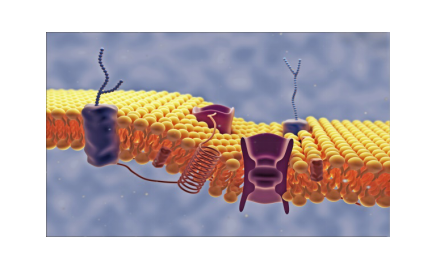
Growth factors are initially discovered as a result of their ability to motivate continuous mitosis of quiescent cells in a nutritionally complete medium without serum. A growth factor is a naturally occurring substance capable of stimulating cellular growth, proliferation, healing, and cellular differentiation. Usually it is a protein or a steroid hormone. Growth factors typically serve as signaling molecules between cells. Examples are cytokines and hormones that bind to specific receptors on the surface of their target cells. They often promote cell differentiation and maturation, which vary between growth factors. For instance, epidermal growth factor (EGF) enhances osteogenic differentiation, while fibroblast growth factors and vascular endothelial growth factors stimulate blood vessel differentiation (angiogenesis).
Classes of Growth Factors
Individual growth factor proteins tend to occur as members of larger families of structurally and evolutionarily related proteins. There are many families, some of which are listed below:
- Adrenomedullin (AM): AM is a vasodilator peptide hormone of uncertain significance in human health and disease.
- Angiopoietin (Ang): Ang is part of a family of vascular growth factors that play a role in embryonic and postnatal angiogenesis.
- Autocrine motility factor: it stimulates cell motility via a receptor-mediated signaling pathway.
- Bone morphogenetic proteins (BMPs): BMPs are a group of growth factors also known as cytokines and as metabologens. They play crucial roles in a variety of developmental processes.
- Ciliary neurotrophic factor family: it is a cytokine of the interleukin-6 family that is sequestered in adult glia and whose production increases during injury.
- Colony-stimulating factors: they are secreted glycoproteins that bind to receptor proteins on the surfaces of hemopoietic stem cells.
- Epidermal growth factor (EGF): EGF stimulates cell growth and differentiation by binding to its receptor, EGFR.
- Ephrins: they are a family of proteins that serve as the ligands of the eph receptor. Eph/ephrin signaling regulates a variety of biological processes during embryonic development including the guidance of axon growth cones, formation of tissue boundaries, cell migration, and segmentation.
- Erythropoietin (EPO): EPO is a glycoprotein cytokine secreted by the kidney in response to cellular hypoxia.
- Fibroblast growth factor (FGF): FGF is a family of cell signaling proteins that are involved in a wide variety of processes, most notably as crucial elements for normal development.
- Foetal Bovine Somatotrophin (FBS): FBD is a peptide hormone produced by cows' pituitary glands. And it is used in regulating metabolic processes.
- GDNF family of ligands: they consists of four members: glial cell line-derived neurotrophic factor (GDNF), neurturin (NRTN), artemin (ARTN), and persephin (PSPN).
- Growth differentiation factor-9 (GDF9): GDF9 is synthesized by ovarian somatic cells directly affect oocyte growth and function.
- Hepatocyte growth factor (HGF): HGF is secreted by mesenchymal cells and targets and acts primarily upon epithelial cells and endothelial cells, but also acts on haemopoietic progenitor cells. It has been shown to have a major role in embryonic organ development, specifically in myogenesis, in adult organ regeneration, and in wound healing.
- Hepatoma-derived growth factor (HDGF): HDGF is a growth factor, which has proliferative, angiogenic, and neurotrophic activity.
- Insulin: it is a peptide hormone produced by beta cells of the pancreatic islets. It regulates the metabolism of carbohydrates, fats and protein by promoting the absorption of, especially glucose from the blood into liver, fat and skeletal muscle cells.
- Insulin-like growth factors: they are proteins with high sequence similarity to insulin. The member of insulin-like growth factor, IGF-1 is important for both the regulation of normal physiology, as well as a number of pathological states.
- Interleukins: they are a group of cytokines (secreted proteins and signal molecules) that were first seen to be expressed by white blood cells (leukocytes).
- Keratinocyte growth factor (KGF):it is a growth factor present in the epithelialization-phase of wound healing.
- Migration-stimulating factor (MSF): it is present in synovial fluid and on the surface (superficial layer) of articular cartilage and therefore plays an important role in joint lubrication and synovial homeostasis.
- Macrophage-stimulating protein (MSP): it also known as hepatocyte growth factor-like protein (HGFLP). MSP plays a variety of roles in the immune defense system, including a central role in innate or natural immunity.
- Myostatin (GDF-8): GDF-8 is a protein produced and released by myocytes that acts on muscle cells' autocrine function to inhibit myogenesis: muscle cell growth and differentiation.
- Neuregulins: they are a family of four structurally related proteins that are part of the EGF family of proteins.
- Neurotrophins: they are a family of proteins that induce the survival, development, and function of neurons.
- Placental growth factor (PGF): PGF is a member of the VEGF (vascular endothelial growth factor) sub-family - a key molecule in angiogenesis and vasculogenesis, in particular during embryogenesis.
- Platelet-derived growth factor (PDGF): PDGF is one of numerous growth factors that regulate cell growth and division.
- Renalase (RNLS) – Anti-apoptotic survival factor.
- T-cell growth factor (TCGF): they are signaling molecules collectively called growth factors which stimulate the production and development of T-cells.
- Thrombopoietin (TPO): TPO is a glycoprotein hormone produced by the liver and kidney which regulates the production of platelets.
- Transforming growth factors: they are used to describe two classes of polypeptide growth factors, TGFα and TGFβ.
- Tumor necrosis factor-alpha (TNF-α): TNF-α is a cell signaling protein (cytokine) involved in systemic inflammation and is one of the cytokines that make up the acute phase reaction.
- Vascular endothelial growth factor (VEGF): VEGF is a signal protein produced by cells that stimulates the formation of blood vessels.
- Wnt Signaling Pathway: it is a group of signal transduction pathways made of proteins that pass signals into a cell through cell surface receptors.
Uses in Medicine
For the last two decades, growth factors have been increasingly used in the treatment of hematologic and oncologic diseases and cardiovascular diseases. Growth factors localized delivery is considered as a rational approach in their therapeutic application to assure a safe and effective treatment while avoiding unwanted adverse effects. Noncovalent immobilization of growth factors as well as their covalent conjugation is amongst the most common strategies for localized delivery of growth factors. Today, immobilized and covalently conjugated growth factors are considered as a promising drug design and are widely used for protein reformulation and material design to cover the unwanted characteristics of growth factors as well as improving their functions. There are a range of available strategies for conjugating growth factors with different substrates from traditional methods including amidation and esterification to more novel techniques such as orthogonal click chemistry or creating an oriented configuration and gradient concentration of growth factors. However, the approach still suffers from a variety of obstacles and limitations, especially with regard to bioactivity of growth factors and continuous uncontrollable proliferation. These should be further covered in future researches.
References:
- Carpenter G., Cohen S., Epidermal growth factor. J Biol Chem.1990, 265:7709–7712.
- Tada S, Kitajima T, Ito Y., Design and synthesis of binding growth factors. Int. J Mol Sci. 2012;13:6053–6072.
- Ito Y., Covalently immobilized biosignal molecule materials for tissue engineering. Soft Matter. 2008, 4:46–56.
- Luginbuehl V., et al. Localized delivery of growth factors for bone repair. Eur J Pharm Biopharm. 2004, 58: 197–208.
- Mirhamed H., et al. Growth factor conjugation: Strategies and applications. J Biomed Mater Res Part A. 2014, 103(2): 819-838.

 Loading ......
