
Inquiry Basket
 Loading ......
Human parainfluenza virus (HPIV) cause human parainfluenza in children and adults. The infection starts from the nose and oropharynx, then spreads to the lower respiratory tract, and reaches the replication peak 2 to 5 days after the initial infection. Infection of epithelial cells of small airways will lead to inflammatory infiltration, and this immune response of the host is believed to contribute to disease pathogenesis. Seasonal HPIV epidemics have caused a heavy disease burden in children, accounting for 40% of pediatric inpatients with lower respiratory tract diseases (LRTIs) and 75% of croup cases.
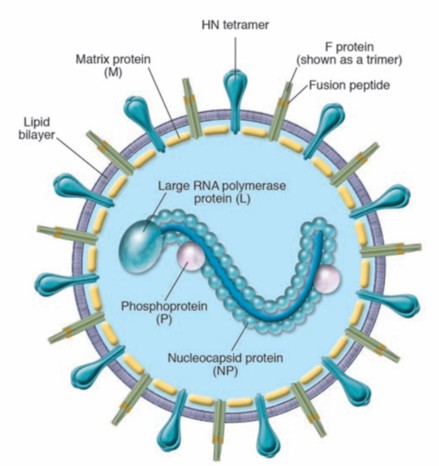 Fig. 1 Structure of HPIV (Moscona, A. 2005)
HPIVs are a paragroup of four different negative single-stranded RNA viruses (HPIV1-4) belonging to family Paramyxoviridae. HPIV1 and HPIV3 are members of the genus Respirovirus and the genus Rubulavirus includes HPIV2 and HPIV4. The diameter of virus particles ranges from 150 to 200 μm. The genome encodes six essential proteins in a conservative order: the nucleocapsid protein (NP), the phosphoprotein (P), the matrix protein (M), the fusion glycoprotein (F), the hemagglutinin neuraminidase (HN) glycoprotein and the RNA polymerase (L). HN and F proteins are the main targets for neutralizing antibodies.
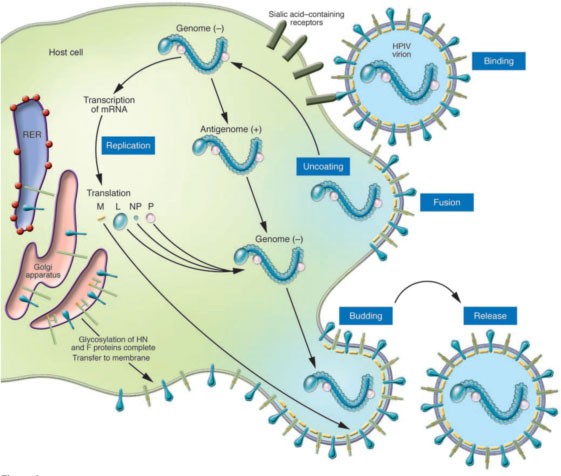 Fig. 2 Cycle of attachment, fusion, and replication for PIV (Moscona, A. 2005)
Infection with HPIVs can be confirmed by viral culture, polymerase chain reaction (PCR), and serological diagnosis.
There is no licensed vaccine to prevent HPIV infection currently. F and HN proteins are exposed to the surface of virus particles and infected cells, which helps to promote the entry of viruses and provide targets for vaccine development. However, the cross protection between different HPIV serotypes is very small or short lived, so multiple or multivalent HPIV vaccines are required. Several methods, including cold passaged attenuated live vaccine, recombinant vaccine, chimeric construct vaccine and using reverse genetics to introduce mutation to attenuate the virus, have been used in the development of HPIV vaccines.
References
Loading ......
