
Inquiry Basket
 Loading ......
Creative Diagnostics has developed a class of monomers, such as beta synuclein, for use in neurodegenerative disease research. Our goal is to be a world leader in the development and supply of active protofibrils. This will help scientists develop disease models and accelerate drug discovery in neurodegenerative diseases. β synuclein, like α synuclein, is present in presynaptic nerve endings and does not aggregate under physiological conditions. P123H β-synuclein is associated with dementia with Lewy bodies (DLB). Our product β-synuclein PFFs do not induce endogenous α-synuclein aggregation in primary rat hippocampal neurons, which means they can be used as a control for α-synuclein experiments.
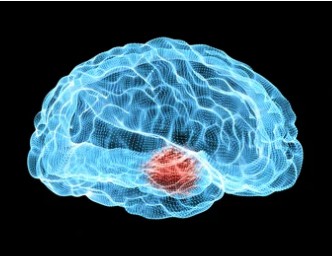 Fig 1. Beta synuclein
β-synuclein is a protein encoded by the SNCB gene. The protein produced by this gene is highly homologous to α-synuclein. These proteins are abundantly expressed in the brain and selectively inhibit phospholipase D2. The encoded protein may play a role in neuronal plasticity and is abundant in neurogenic fibrillary lesions in Alzheimer's patients. This protein has been shown to be highly expressed in the substantia nigra. This is the region of the brain where neuronal degeneration occurs in Parkinson's patients. β-synuclein is a synaptic nuclear protein found primarily in brain tissue, mainly in presynaptic terminals, and is found in the neocortex, hippocampus, striatum, thalamus, and cerebellum. β-synuclein is thought to inhibit -synuclein aggregation and α-synuclein Nucleoprotein aggregation occurs in neurodegenerative diseases such as Parkinson's disease. Therefore, β-synuclein may protect the central nervous system from neurotoxic effects and provide a new therapeutic approach to neurodegenerative diseases.
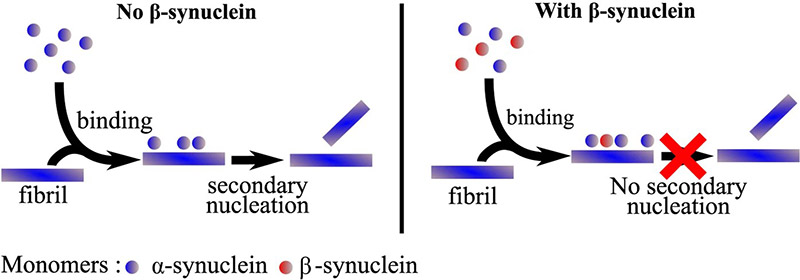 Fig 2. Proposed mechanism of inhibition of α-synuclein secondary nucleation by β-synuclein via competitive binding to the fibril surface. (Brown JW, et al., 2016)
Creative Diagnostics offers beta synuclein pre-formed fibrils, our model tools for better neurodegenerative diseases research, to facilitate your experimental research. Our product types include but are not limited to:
| Cat. No. | Product Name | |
| PFF14 | Human Recombinant Beta Synuclein Protein Pre-formed Fibrils (Type 1) | Inquiry |
Creative Diagnostics has developed a range of preformed proto-fiber products for neurodegenerative disease research. Our products can help scientists develop disease models and test drug candidates. If you are interested in our products, please contact us for a more detailed presentation.
References
Loading ......
