
Inquiry Basket
 Loading ......
Mycoplasma pneumoniae (M. pneumoniae) is a member of Mycoplasma genus of Mycoplasmataceae family. Mycoplasma is one of the smallest self-replicating organisms. It lacks cell wall and periplasmic space, has reduced genome and limited metabolic activity. M. pneumoniae cells are elongated, with a width of 0.1–0.2 µm and a length of 1-2 µm. It is the human pathogen of mycoplasma pneumonia, which is an atypical bacterial pneumonia related to cold agglutinin disease. Common mild symptoms include sore throat, wheezing and coughing, fever, headache, rhinitis, myalgia and restlessness. In rare cases, mycoplasma pneumonia may lead to death due to damage of epithelial lining and ulcers, pulmonary edema and bronchiolitis obliterans.
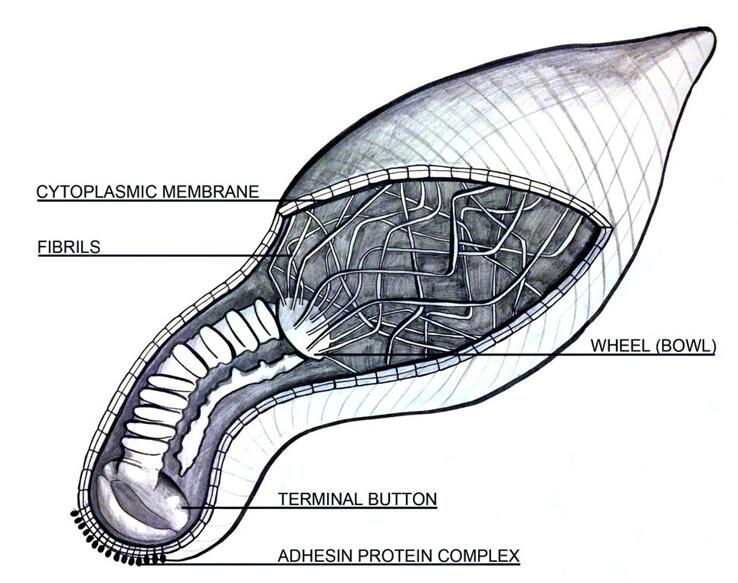 Fig. 1 Cell structure of Mycoplasma pneumoniae (Parrott GL, et al. 2016)
M. pneumoniae can pass through the filter used to remove bacteria and cannot be detected by the optical microscope, and it will not produce visible turbidity in liquid growth medium. These characteristics impact methods of laboratory diagnosis. There are several common methods for M. Pneumonia laboratory diagnosis.
Early use of antibiotics can limit the intensity and duration of clinical symptoms of pneumonia. However, M. pneumoniae is resistant to many antibiotics due to its lack of peptidoglycan cell wall. Most antibiotics used to treat M. pneumoniae infection target bacterial rRNAs in ribosomal complexes, including macrolides, tetracyclines, ketolides, and fluoroquinolones.
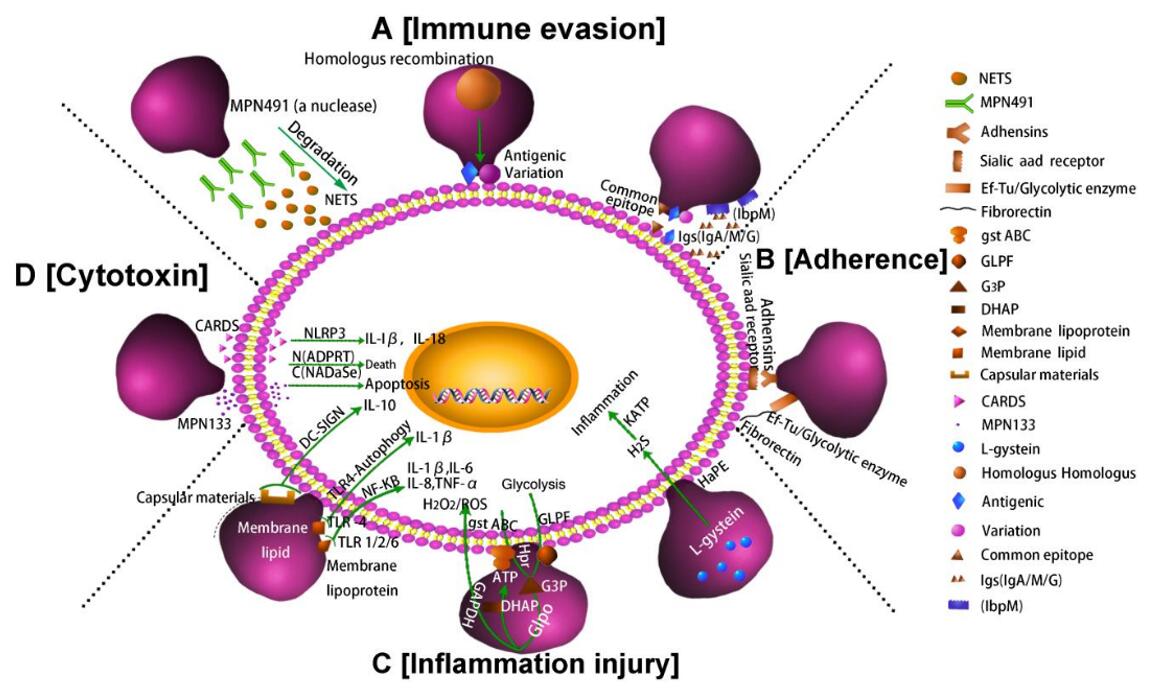 Fig. 2 Pathogenic mechanisms of M. pneumoniae (Jiang Z, et al. 2021)
There are many types of M. pneumoniae vaccine, including inactivated vaccine, live-attenuated vaccine and subunit vaccine. Vaccines based on M. pneumoniae adhesion proteins (P1, P30 and P116) are considered to be a promising choice. Subcutaneous vaccination with protein subunit vaccine result in effective immune protection. However, protein subunit vaccines do not have the ability of self-replication, so they usually require multiple immunizations. When expressed in heterologous systems, protein subunits may lose their natural conformation. DNA vaccine can induce cell-mediated and humoral immunity, but injected DNA cannot replicate continuously in mammalian cells. These challenges need to be overcome in the future to develop effective vaccines.
Loading ......
