
Inquiry Basket
 Loading ......
Neurodegenerative diseases, including Alzheimer's disease (AD), are characterized by an uncontrolled immune response in the brain that cannot be ignored. Tau proteins have prion-like properties and microglial cell changes are associated with tau pathology. Studying tau proteins is useful in finding new ways to treat or prevent Alzheimer's disease. Studies have shown that wild-type tau-preformed protofibrils (PFF) trigger Lys353 DOPEGAL formation, tau pathology propagation, and cognitive impairment in MAPT transgenic mice. Creative Diagnostics offers tau preformed fibrils (PFFs) to better mimic the naturally occurring pathological state and pathological processes of neurodegenerative diseases, providing a powerful tool for the study of neurodegenerative diseases. It also provides the basis for more effective treatments.
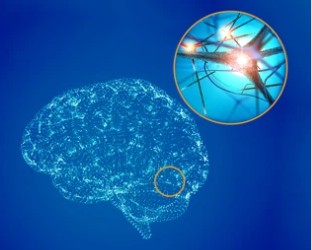 Fig 1. Tau pathological state
Tau protein is a highly soluble microtubule-associated protein (MAP) that is abundant in neurons of the central nervous system and relatively poorly expressed in non-neuronal cells (astrocytes, oligodendrocytes, etc.). One of its main functions is to maintain axonal microtubule stability and ensure normal brain function. When tau proteins become defective and hyperphosphorylated, their ability to bind to microtubules is reduced. The neurofibrillary tangles observed in Alzheimer's disease (AD) and other tau lesions are aggregations of paired helical fibrils composed of hyperphosphorylated tau.
Precursors of fibrillogenesis (PFFs) can induce the aggregation of tau proteins in artificially cultured cells and in living animals, causing soluble monomers to aggregate into insoluble fibrils. Synthetic tau PFFs can also enter non-neuronal cells and aggregate tau proteins to form NFTs.
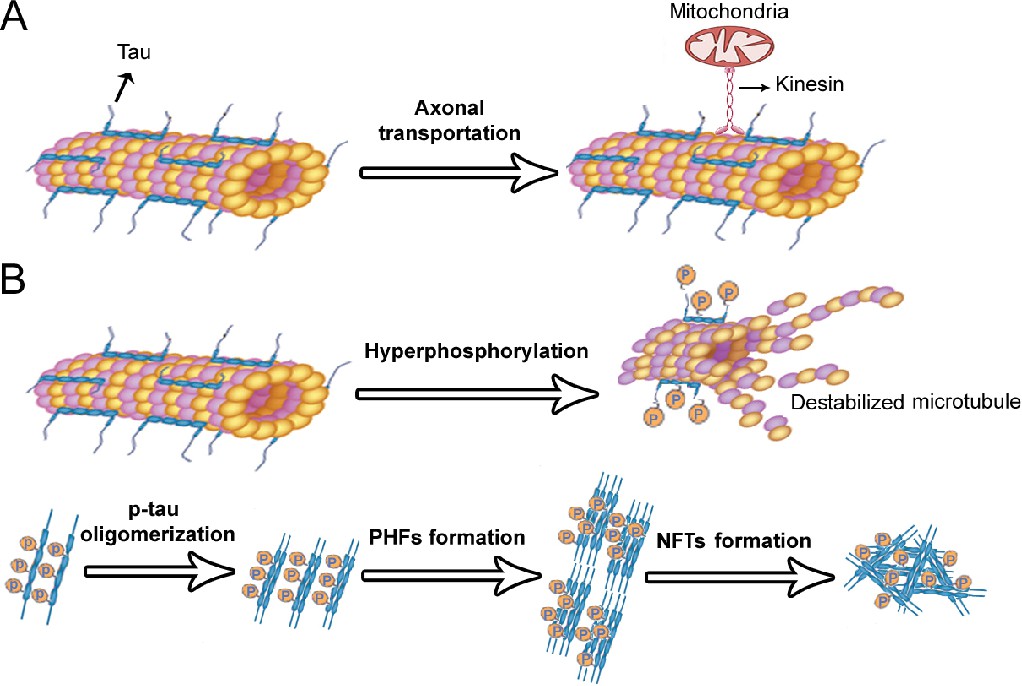 Fig 2. Tau protein. (Amir Mishan M, et al., 2019)
Tau protein. (A) In physiological conditions, tau binds to microtubules by its microtubule binding domain in order to stabilize microtubules for several cellular functions in the cells, such as axonal transportation. (B) In pathological conditions, tau is phosphorylated or hyperphosphorylated (p-tau) by multiple kinases, leading to microtubule destabilization, pairing tau molecules to each other, formation of toxic oligomers, and finally NFT formation.
Creative Diagnostics offers the following types of Tau pre-formed fibrils, which provide modeling tools to better study neurodegenerative diseases and facilitate experimental research. Our product types are mainly, but not limited to, the following:
Creative Diagnostics has developed a range of active pre-formed fibrils for neurodegenerative disease research. Our alpha-synuclein products can help scientists develop disease models and test drug candidates. If you are interested in any of our products, please contact us for a description.
References
Loading ......
