
Inquiry Basket
 Loading ......
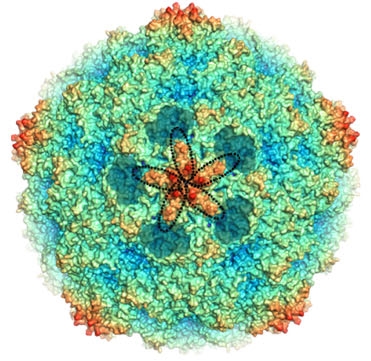 Fig. 1 The structures of mature echovirus 30 (Wang K, et al. 2020)
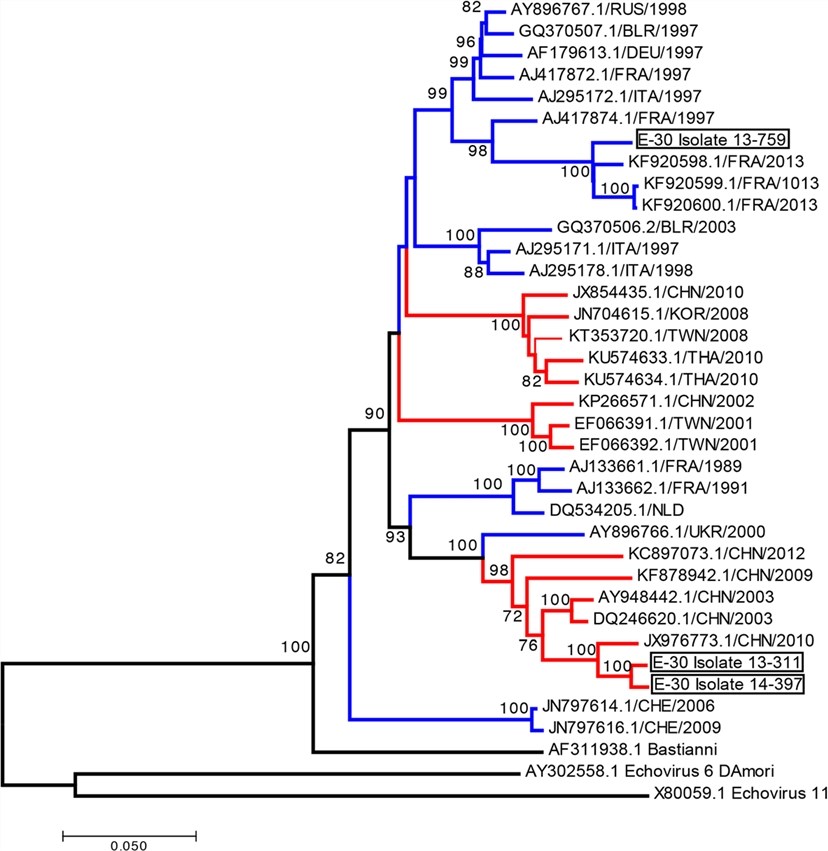 Fig. 2 Genetic sequence alignment of echovirus 30 structural proteins VP1–4 (Dahm T, et al. 2018)
Echoviruses belong to the family of Picornaviridae, which is divided into five genera (aphthoviruses, cardioviruses, enteroviruses, hepatoviruses, and rhinoviruses) and includes a number of important human and animal pathogens. Echoviruses constitute one of the major groups of the genus Enterovirus and are associated with illnesses including neonates, rashes, respiratory infections, and myocarditis. Echovirus belongs to species human enterovirus B. And multiple serotypes are detected in sporadic cases or outbreaks of hand, foot, and mouth disease (HFMD), and frequently co-circulated with EV-A71 and CV-A16 in large epidemics, including Echovirus 3, Echovirus 4, Echovirus 5, Echovirus 6, Echovirus 7, Echovirus 9, Echovirus 11, Echovirus 16, Echovirus 17, Echovirus 18, Echovirus 24, Echovirus 25, Echovirus 30 and Echovirus 33. The predominant enterovirus types vary from year to year, with echovirus 30, echovirus 13, and echovirus 18 being the most frequently isolated in Europe and the United States over the past few years.
Laboratory diagnosis for echovirus was initially focused on classical method which required viral isolation from cell culture of clinical specimens. However, this method has its limitation whereby not all serotypes were able to grow in cell cultures. To date, multiple reverse transcription (RT-PCR) methods based on amplification of a portion of the VP1 capsid protein gene are being widely used as it provided a more sensitive, rapid and accurate platform for characterization and serotyping of echovirus.
Creative Diagnostics is one of the best manufactures of viral antigens, customers from all over the world find their satisfactory with our product and service. Welcome to contact our sales representative if you are in need of echovirus antigens.
References
Loading ......
