
Inquiry Basket
 Loading ......
Vibrio cholerae (V. cholerae) is the pathogen of cholera, which is an acute disease of the gastrointestinal tract. Humans infected with this V. cholerae often experience vomiting and diarrhea, and the presents in severe cases with profuse watery diarrhea and often leads to dehydration and eventually the death of an untreated patient within a few hours.
 Fig. 1 Life cycle of V. cholerae.
(Chowdhury F.; et al. Clin Microbiol Rev. 2022)
V. cholerae is a Gram-negative, comma-shaped bacterium and it is a member of the Vibrionaceae family. This bacterium is often found in coastal waters and associated with zooplankton and shellfish. V. cholerae is classified serologically into over 200 serogroups. Among them, only V. cholerae O1 and O139 serogroups caused cholera epidemics. Based on biochemical structure, V. cholerae O1 is categorized into two biotypes, classical and El Tor, and more recently, the altered El Tor biotype. Furthermore, each biotype is differentiated into three serotypes, Ogawa, Inaba, and the rare Hikojima type. The symptoms caused by V. cholerae usually thought to be due to a "poison". After ingestion of V. cholerae, the majority are killed by gastric acid. Surviving pathogens colonize the small intestine and elaborate cholera toxin, which is the major virulence factor for pathogenic strains of V. cholerae.
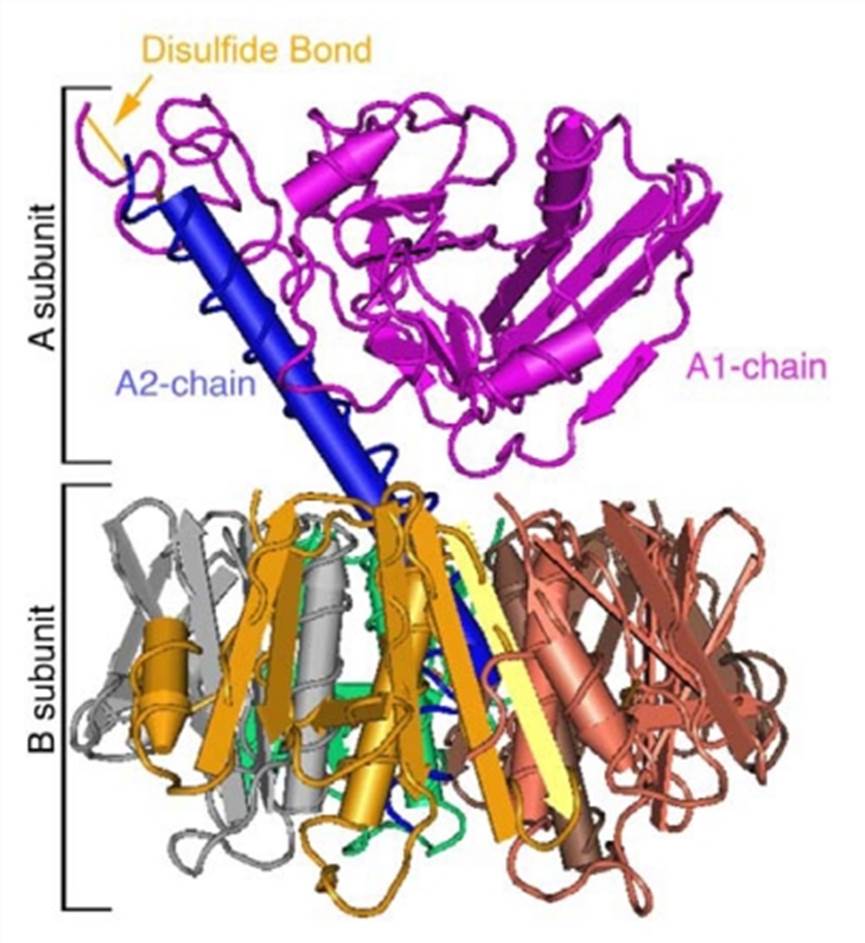 Fig.2 Three-dimensional structure of CT.
(Wernick NL.; et al. Toxins (Basel). 2010)
Cholera toxin (CT) is a member of the AB toxin family and is composed of a catalytically active heterodimeric A-subunit linked with a homopentameric B-subunit. The toxic action of CT is initiated by binding of its B subunits to the high-affinity monosialoganglioside GM1 receptors. Each B subunit monomer has a binding site for GM1. Moreover, a single amino acid from a neighbouring B subunit also plays an important role in binding, explaining the much higher binding affinity of the CTB pentamer, as compared to that of the CTB monomer. In past years, the immunological properties of CT have attracted a great deal of attention. The nontoxic CTB has been extensively used as a mucosal immunogen in humans. Indeed, recombinantly produced CTB is an important component of an oral cholera vaccine for human use. In addition to CTB, this vaccine also contains inactivated whole-cell cholera vibrios.
With years of protein and antigen production experience and advanced platforms, Creative Diagnostics now can provide high quality native V. cholerae toxin antigens match your research needs. Welcome to contact us for quotation and more details.
References
Loading ......
