
Inquiry Basket
 Loading ......
Membrane proteins (MPs) are the most important components for maintaining cellular physiological processes and play a key role in various cellular functions such as substance transport and signal transduction. Currently, membrane protein drug targets account for more than 60% of known drug targets, and MPs make up over 90% of antibody drug targets, such as BCMA, GPRC5D, and CCR8. The main barrier to membrane protein investigations is the tendency of MPs to aggregate (due to their hydrophobic nature), in aqueous solution as well as on surfaces. The introduction of biomembrane mimetics has improved this issue to some extent. Based on this, Creative Diagnostics has developed MemND™ nanodisc system to provide a feasible solution.
Nanodiscs (NDs) are a form of modified high-density lipoprotein (HDL) particle that is used to solubilize MP and are essentially small nanoscale lipid bilayers that allow for the solubilization of MP in a uniform, membrane-mimicking environment. Like micelles and liposomes, NDs are formed by the self-assembly process. Typically, NDs are composed of phospholipids (which can be either artificially sourced or derived from natural cell membranes) and a stabilizing belt (which can be membrane scaffold protein MSP or a synthetic polymer) that holds the phospholipids together. Based on the type of stabilizer, NDs can be classified into MSP nanodiscs and Polymer nanodiscs.
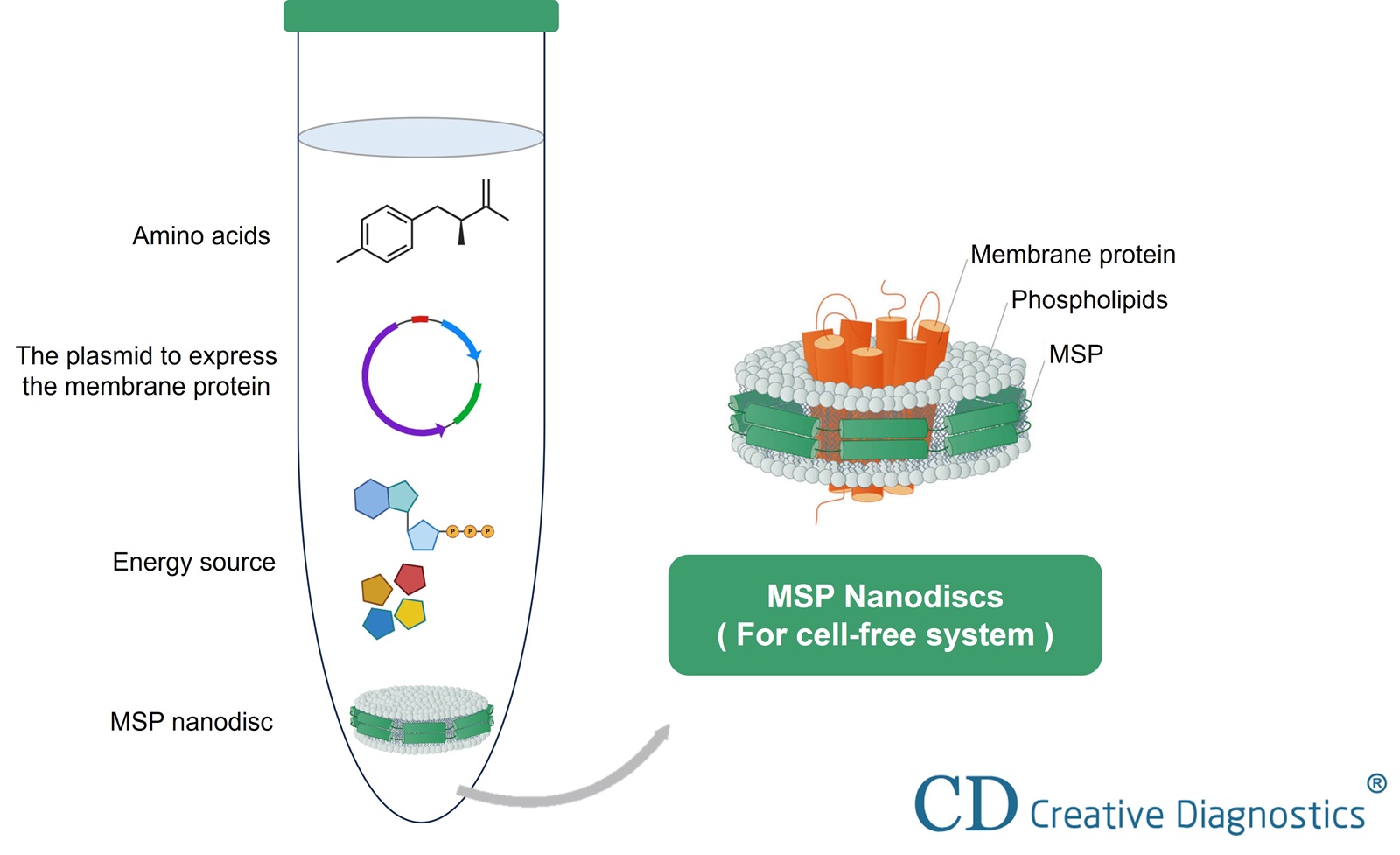 Fig.1 MSP nanodisc assembly in cell-free system
The assembly of polymer nanodiscs starts with the intact cells. MPs are extracted directly from the native cell membranes by synthetic polymers, styrene-maleic acid (SMA) polymer or diisobutylene/maleic acid (DIBMA) polymer, and native cellular phospholipids is used to form a nanodisc structure around the MPs. The polymer acts both as a solubilizing agent and a stabilizer, eliminating the need for additional detergents.
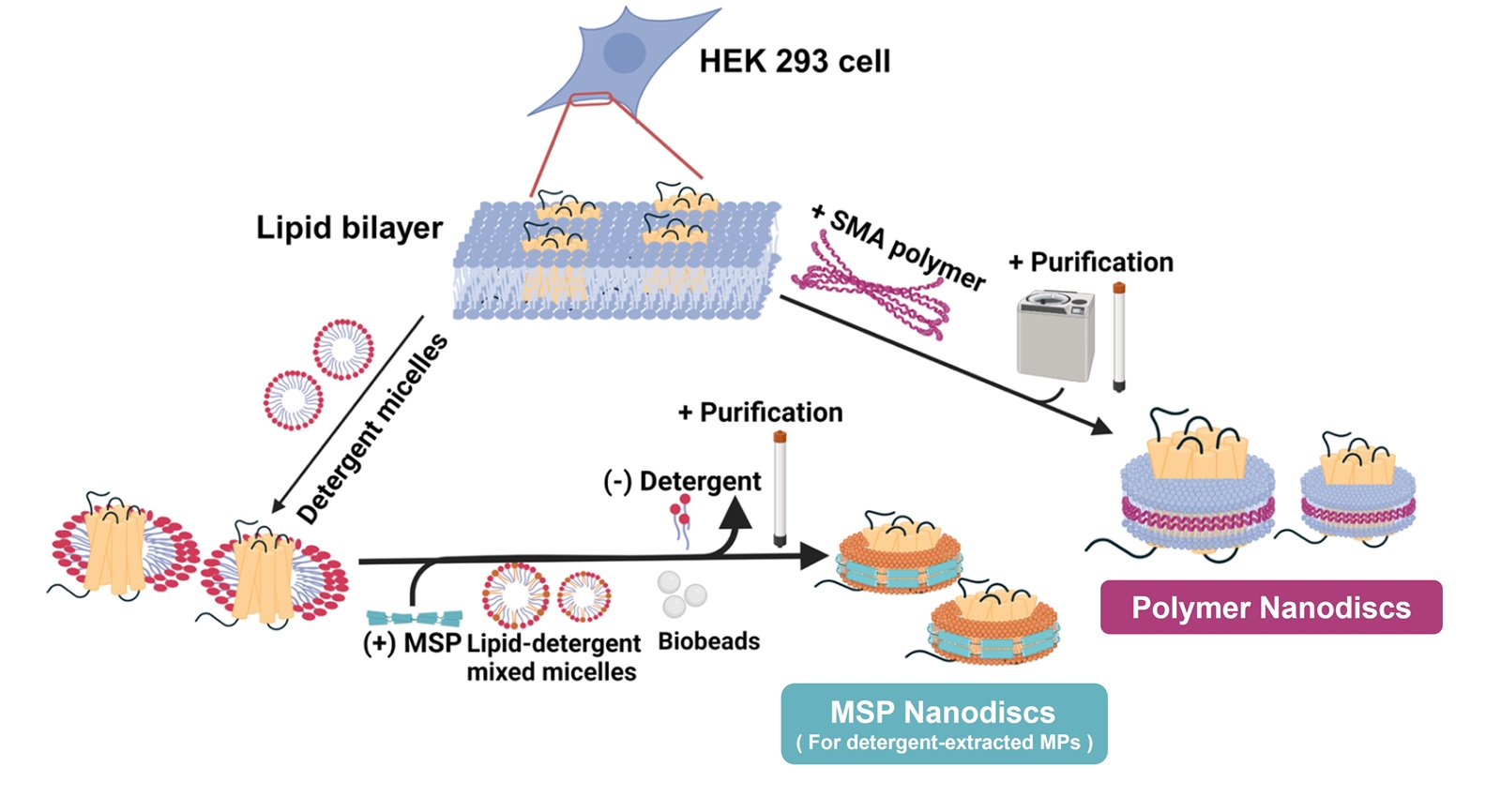 Fig.2 MSP nanodisc assembly of detergent-extracted membrane proteins (MPs) and Polymer nanodisc assembly (Karanth S, et al., 2024)
Creative Diagnostics's MemND™ polymer nanodiscs are prepared using a mammalian expression system and are applicable for a variety of studies, including ELISA, SPR affinity analysis, phage display screening, cell-based assays, animal immunization and protein crystal structure analysis. The key advantages include:
Additionally, we provide MSP nanodisc products in stock. For more details, please contact us.
Reference
Loading ......
