

Inquiry Basket
 Loading ......
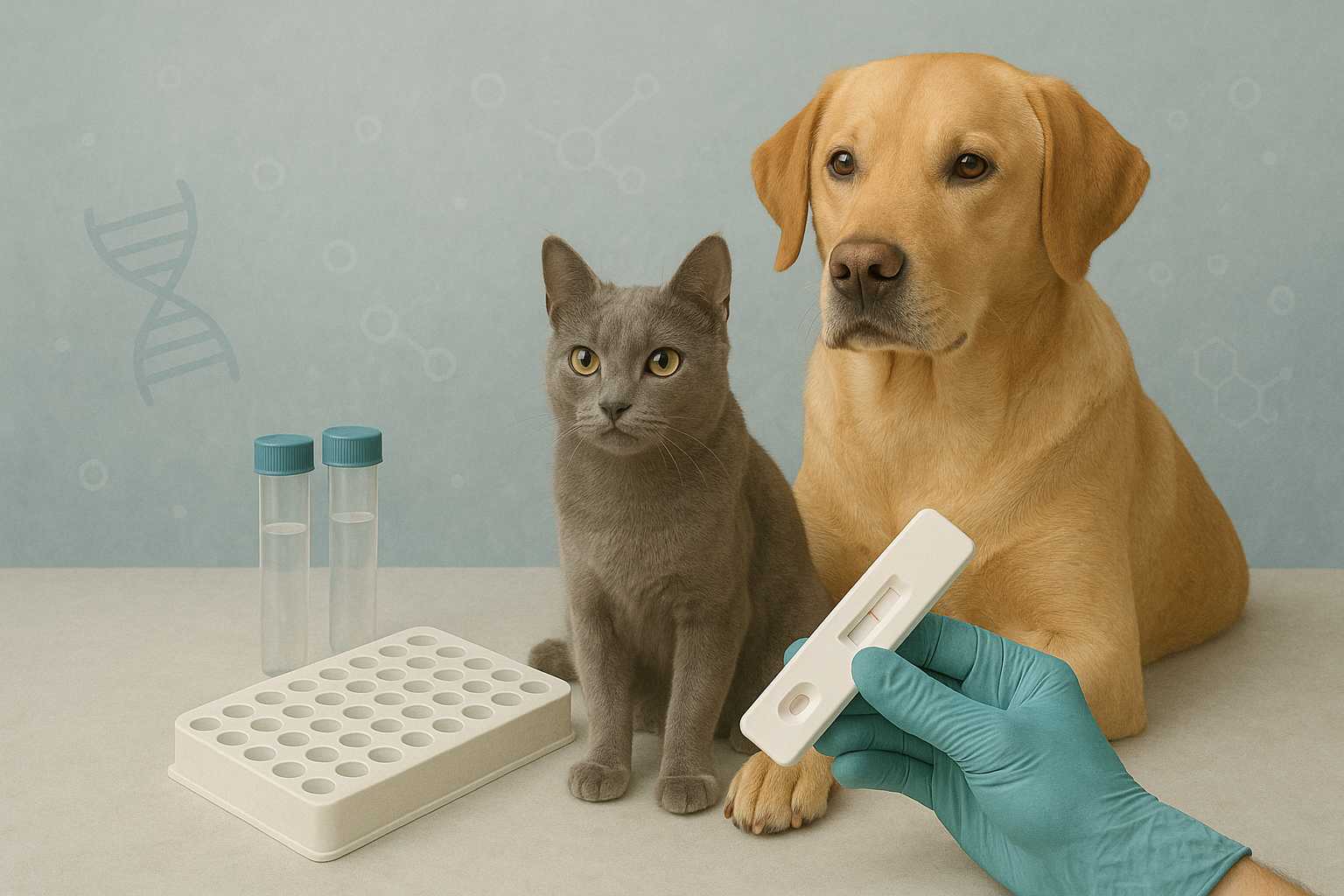
From 2024 to 2029, the global veterinary diagnostics market is projected to grow steadily, with its size expected to increase from $4 billion in 2024 to $6 billion by 2029, representing a compound annual growth rate (CAGR) of nearly 6%. This growth is driven by the rising number of pets, increased investment in companion animal healthcare, and the critical role of diagnostic technologies in maintaining food animal health.
Companion animal diagnostics is expanding rapidly, fueled by the strengthening bond between pets and their owners and the adoption of advanced technologies such as molecular assays, immunoassays, and digital imaging. Meanwhile, food animal diagnostics remains essential for disease prevention and food safety, with a strong focus on detecting infectious and zoonotic diseases in livestock.
The market is further supported by the integration of human in-vitro diagnostic (IVD) technologies—including ELISA, lateral flow assays, and automated analyzers—into veterinary applications. Backed by robust regulatory frameworks and growing investment in research and development, regions such as the U.S., Europe, and Asia-Pacific show significant growth potential.
Veterinary antigens play a pivotal role in immunoassays and diagnostic tests, enabling the accurate detection of antibodies or pathogens in animal samples. As the demand for early and precise disease diagnosis continues to grow, the importance of high-quality antigens has become greater than ever.
Our cutting-edge veterinary diagnostic reagents are developed to meet these evolving market needs. With a broad selection of native and recombinant veterinary antigens, we deliver high sensitivity, exceptional reliability, and user-friendly performance for both companion and food animal testing—helping to elevate diagnostic accuracy and efficiency.
Loading ......
