
Inquiry Basket
 Loading ......
Protein engineering aims to design and discover proteins with desirable functions, such as improving the phenotype of living organisms, enhancing enzyme catalysis, and boosting antibody efficacy. It has tremendous impacts on antibody design, drug discovery, enzyme development and applications, diagnostics, food security, ecology, and more. Two traditional protein engineering approaches, directed evolution and rational design, both involve too vast experimental screening of mutational space to be handled easily.
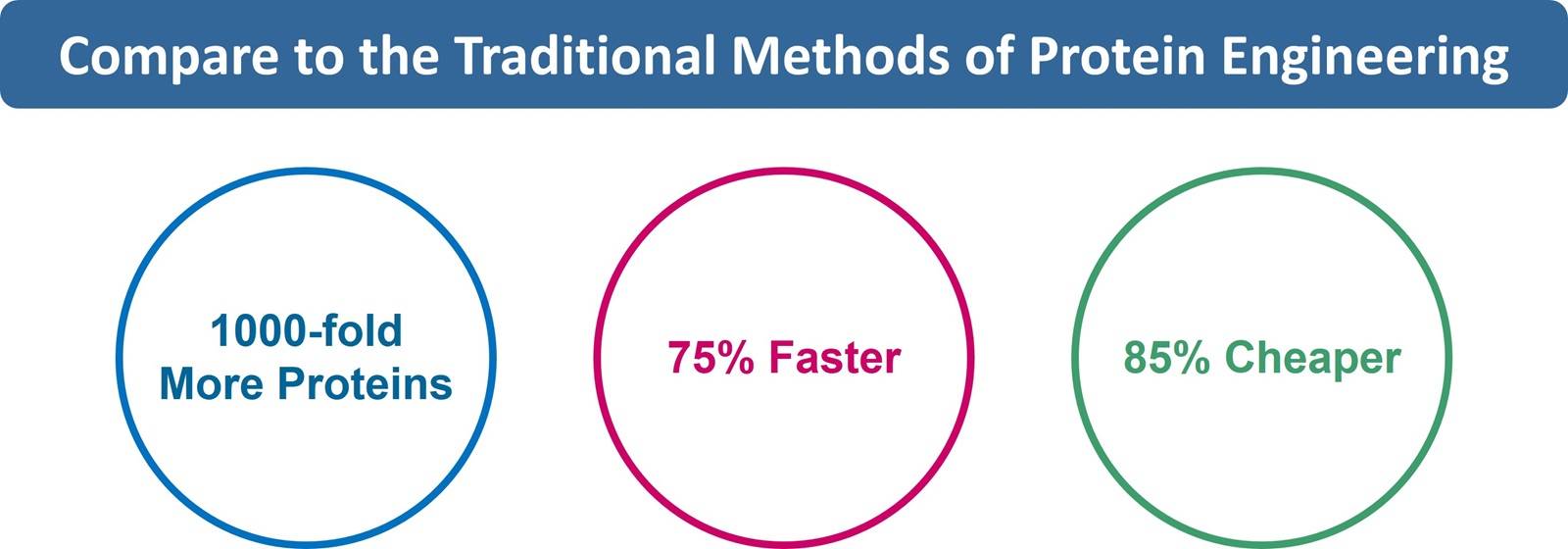
Recently, artificial intelligence (AI)-assisted protein engineering has greatly accelerated the process of protein engineering. It uses machine learning to analyze and predict the effects of mutations on protein function, and thus rapidly generates and tests large numbers of variants, which not only reduces the cost and expedites the process of protein engineering, but also optimizes the screening and selection of protein variants, leading to the higher efficiency and productivity.
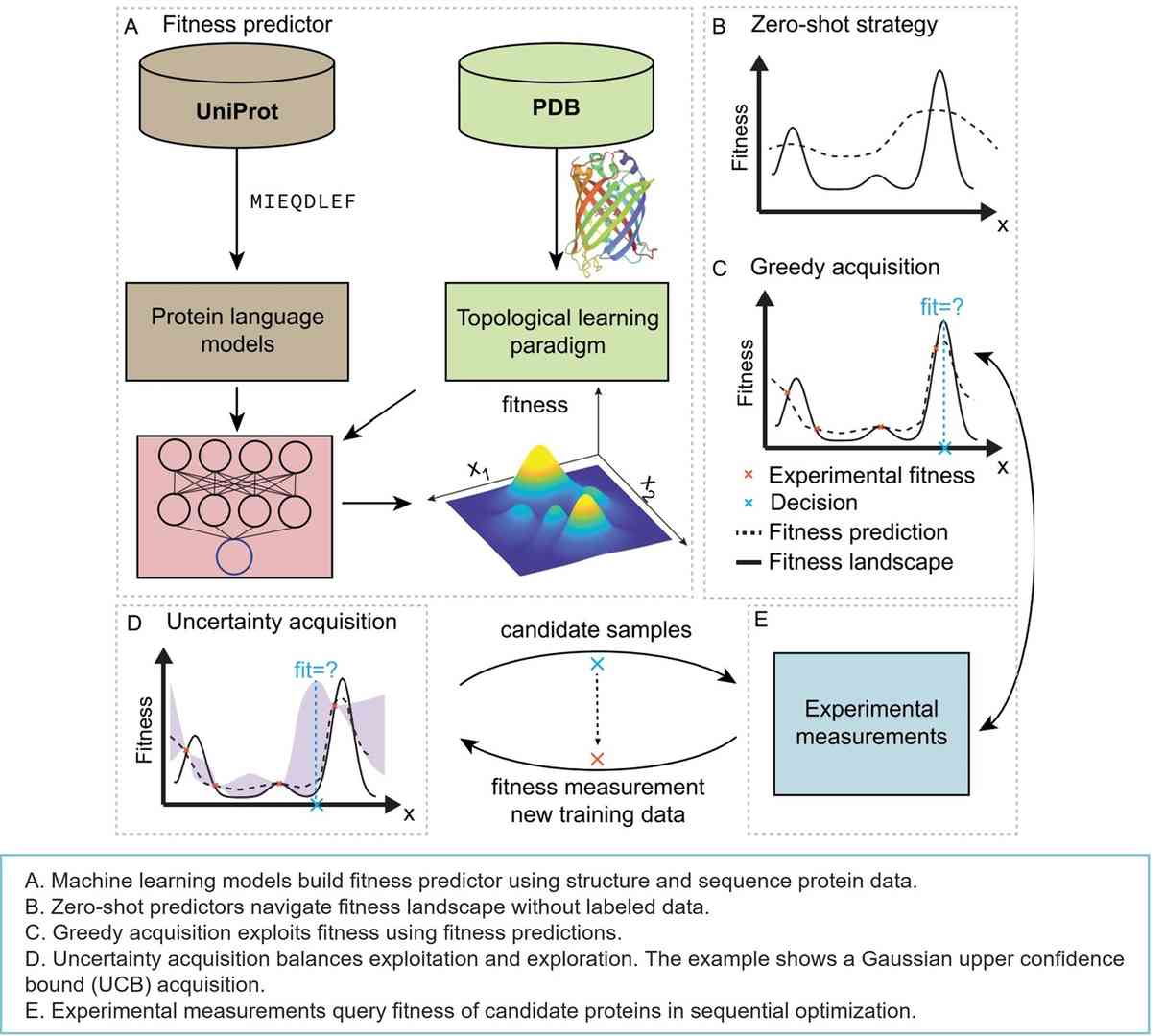 Fig.1 AI-assisted protein engineering (Qiu Y, et al., 2023)
Creative Diagnostics provides AI-assisted protein engineering services to aid in enhancing the stability, activity, and specificity of proteins for diverse applications in biotechnology and medicine. Our approaches can streamline the process of protein engineering, rapidly generate the targeted libraries, reduce experimental sampling, and allow the rational design of proteins with tailored properties. Combining our approaches with high-throughput experimental techniques enables you to design proteins with unprecedented precision and functionality.
Reference
Loading ......
