
Inquiry Basket
 Loading ......
West Nile virus (WNV) is a single-stranded RNA virus that causes West Nile fever. It is a member of the family Flaviviridae, from the genus Flavivirus, which also contains the Zika virus, dengue virus, and yellow fever virus. The virus is genetically related to the Japanese encephalitis family of viruses. The virus is primarily transmitted by mosquitoes, mostly species of Culex. The primary hosts of WNV are birds, so that the virus remains within a "bird–mosquito–bird" transmission cycle. Humans and horses both exhibit disease symptoms from the virus, and symptoms rarely occur in other animals. WNV causes a symptom that seems like people catching the characteristics of flu and only a small proportion of patients will advance into West Nile Encephalitis, a symptom that viruses get through blood-brain barrier and infect nervous system. Identification of the human disease was first made in 1937 in Uganda and in the latter half of the 20th century spread to many other parts of the world.
WNV is an enveloped virus with icosahedral symmetry. Electron microscope studies reveal a 45–50 nm virion covered with a relatively smooth protein shell; this structure is similar to the dengue fever virus, another Flavivirus. The protein shell is made of two structural proteins: the glycoprotein E and the small membrane protein M. The E protein is on the surface of the flaviviral envelope and is considered an important part of the structure. On the envelope there are spikes which allow it to recognize the receptor on the host cell and attach to it. Once attached the virion is able to inject its genome into the host cell where replication occurs. The E protein can be a target for antiviral drug design. Without the ability to attach to the host cell and prevent infection the virus would not be able to transfer its genome to the host. Figure 1 shows the structure of the CMV virion.
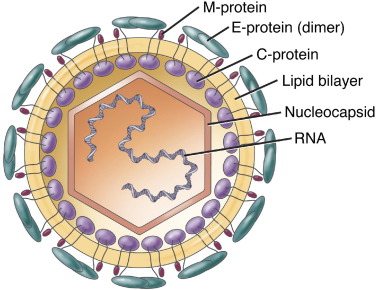 Fig. 1 Structure of West Nile Virus (Lang L. 2007)
During viral entry (Figure 2), the E protein binds to attachment factors called glycosaminoglycans and some other primary receptors on the host cell. After binding to the cell, the virus is taken up via clathrin-mediated endocytosis and the acidity of the endosome catalyzes the fusion of the endosomal and viral membranes, allowing the genome to be released into the cytoplasm. After the fusion event the positive-stranded RNA genome is released into the cytoplasm of the cell. The viral genome serves as messenger RNA (mRNA) for translation of all viral proteins and as template during RNA replication. After a series of processing, the mature viruses are then secreted out of the cell.
 Fig. 2 West Nile virus life cycle (De Filette, et al. 2012)
Creative Diagnostics is one of the best manufactures of viral antigens, customers from all over the world find their satisfactory with our product and service. Welcome to contact our sales representative if you are in need of west nile virus antigens.
Loading ......
