
Inquiry Basket
 Loading ......
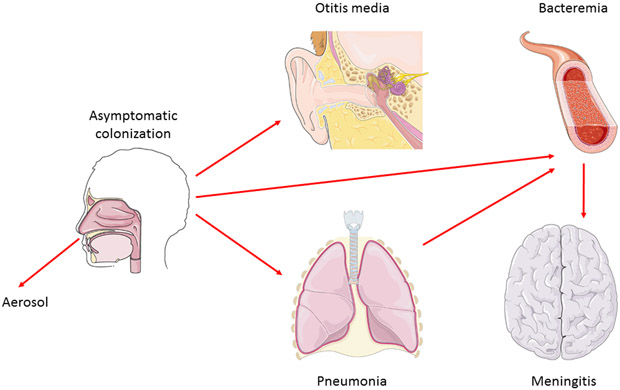 Fig. 1. Schematic depiction of the spread and progression of Streptococcus pneumonia infection (Loughran AJ, et al. 2019)
 Fig. 2 Molecular mechanisms of pneumococcal colonization of host surfaces (Weiser JN, et al. 2018)
Streptococcus pneumoniae (pneumococcus) is a Gram-positive bacterium that is responsible for the majority of community-acquired pneumonia. It is a commensal organism in the human respiratory tract, meaning that it benefits from the human body, without harming it. However, infection by pneumococcus may be dangerous, causing not only pneumonia, but also bronchitis, otitis media, septicemia, and meningitis. Pneumococcal infection is responsible for 1-2 million infant deaths worldwide, every year. S. pneumoniae is alpha-hemolytic, meaning that it can break down red blood cells through the production of hydrogen peroxide (H2O2). The production of H2O2 by the bacterial infection can also cause damage to DNA, and kill cells within the lungs.
The genome of S. pneumoniae is a closed, circular DNA structure that contains between 2.0 and 2.1 million base pairs depending on the strain. It has a core set of 1553 genes, plus 154 genes in its virulome, which contribute to virulence and 176 genes that maintain a noninvasive phenotype. S. pneumoniae produces a range of virulence factors, including capsular polysaccharides, pneumolysin, pneumococcal surface protein A (PspA), pneumococcal surface protein C (PspC), and pneumococcal surface adhesin A (PsaA). There are currently 94 recognized capsular polysaccharide serotypes. Each serotype is distinguished based on the chemical composition of and antigenic differences in the capsular polysaccharide.
There are two types of pneumococcal vaccine available on the global market: a pneumococcal vaccine containing purified capsular polysaccharide from 23 of the most common S. pneumoniae serotypes (PPV23) and a pneumococcal conjugate vaccine (PCV10 and PCV13). It is hoped that widespread use of pneumococcal vaccine will not only reduce invasive pneumococcal disease and the rates of otitis media caused by S. pneumoniae but also decrease the incidence of infection with drug-resistant S. pneumoniae. Creative Diagnostics provides the most prevalent serotypes of S. pneumoniae for multiple applications to support your biological programs. Please feel free to contact us.
References
Loading ......
