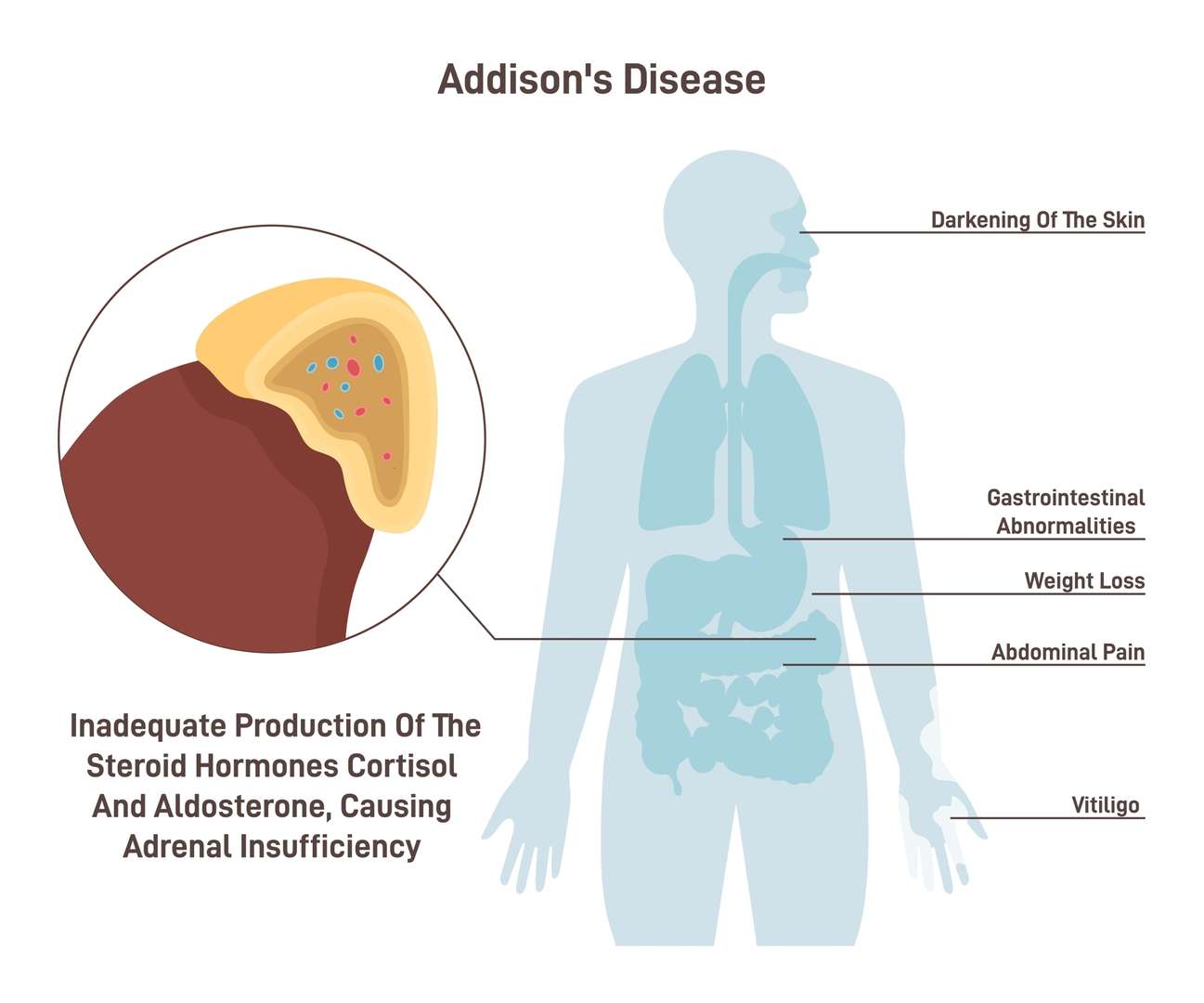
Addison disease represents primary adrenal insufficiency stemming from an autoimmune attack on the adrenal cortex. Disease patients show reduced levels of cortisol and aldosterone in their bodies. The occurrence of Addison disease shows a higher frequency among women and tends to coexist with other autoimmune disorders. Monitoring the condition from the start together with an early diagnosis helps prevent serious complications including adrenal crisis.
Addison Disease Testing and Analysis Services
We specialize in performing antibody tests for Addison disease specifically targeting adrenal cortex antibodies (ACAs) and 21-hydroxylase antibodies (21-OH antibodies). Antibody detection allows physicians to assess autoimmune status and calculate Addison disease risk for patients.
ELISA Testing Methods
ELISA technology serves as the cornerstone for Addison disease diagnosis, ensuring clinically actionable and scientifically robust results through meticulously designed protocols:
Dual Assurance of Sensitivity & Specificity: The recombinant 21-hydroxylase antigen-coating technology helps to precisely detect autoimmune antibodies while clearly differentiating between normal physiological changes and disease-related abnormalities.
Standardized Quality Control System: This system meets ISO 15189 standards while incorporating automated microplate readers and a three-tier calibrator system to maintain high consistency in batch analyses.
Superior Compatibility with Complex Samples: Optimized pre-processing protocols ensure reliable detection of low-abundance antibodies in hemolyzed or lipemic specimens.
Our diagnostic approach includes ELISA and advanced technologies to address various diagnostic requirements.
Indirect Immunofluorescence: Our diagnostic approach uses frozen adrenal tissue sections that are stained to detect ACAs since this method provides the necessary high sensitivity for clinical applications.
Western Blot: Western Blot confirms specific antibodies through electrophoresis protein separation followed by membrane transfer for detection.
Enzyme Immunospot Assay: Researchers can use this technique for high-throughput screening as it allows rapid simultaneous detection of multiple antibodies.
Immunoturbidimetry: This technique measures antibody concentrations in samples which enables its application in extensive screening operations.
Protein Chip Technology: The technology enables multiple antibodies' concurrent detection which increases testing effectiveness in research and clinical settings.
Service Features
Comprehensive Testing Platform: Our approach integrates multiple testing techniques to guarantee both accurate and reliable results.
Customized Services: Our testing solutions are customized to match the specific needs of each client. Contact us to request testing for Addison disease indicators such as electrolyte levels, ACTH levels, or other hormone levels. Our professional team designs specific testing plans based on your unique requirements to accomplish a comprehensive assessment of your health status.
Expert Team Support: Experienced professionals make up our laboratory team who work to sustain the highest standards throughout every phase of our process.
Service Process
Consultation and Sample Collection: Clients can reach out through online or phone consultations to discuss their needs with our professional team. Sample collection can be conducted at designated medical facilities.
Laboratory Analysis: Once samples are received, we will utilize various advanced techniques for analysis to ensure result accuracy.
Results Reporting: Our analysis leads to comprehensive reports that present both test outcomes and expert interpretations.
Follow-up Support: You can receive additional consultations and guidance to interpret test results when necessary.
The standard timeline from sample collection to report delivery ranges between 5 and 7 business days. Sample types and testing methods determine the precise timeframe for results.
Sample Requirements
Sample Type: Serum or plasma samples.
Sample Volume: Each test needs at least 5 milliliters of blood to be conducted properly.
Storage Conditions: Samples must remain at temperatures between 2-8°C and must reach the laboratory for analysis without delay.
Our specialized testing services deliver essential data about Addison disease which supports early detection and treatment. You can reach out to us for further details or to book a service.

 Loading ......