
Inquiry Basket
 Loading ......
When the immune system targets healthy cells in autoimmune thrombosis this event increases the chance of blood clots forming. The antiphospholipid antibodies present in APS generate a pro-thrombotic environment which induces autoimmune thrombosis.
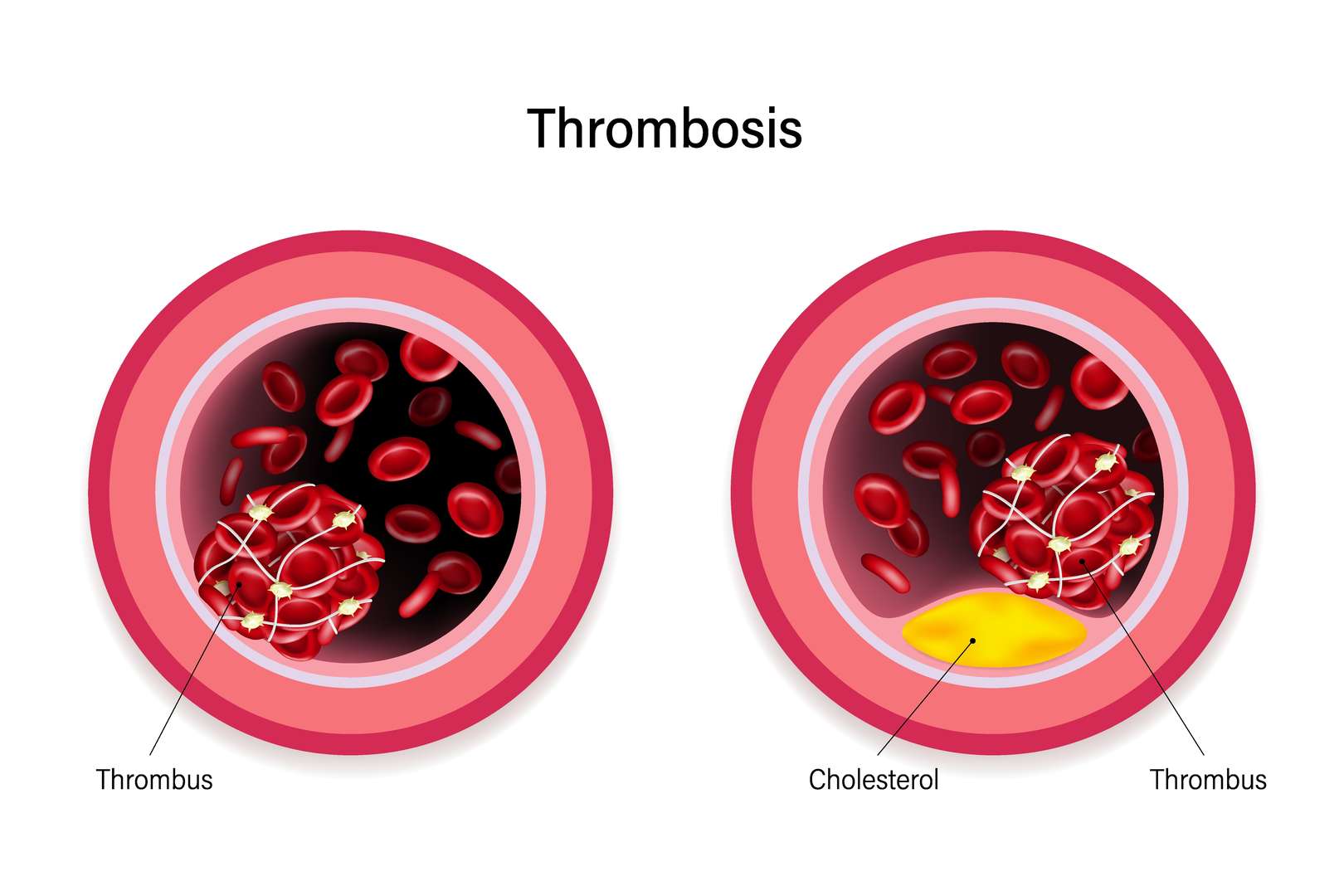
Our services include extensive biomarker testing options for autoimmune thrombosis with a focus on these primary biomarkers.
| Biomarker | Significance |
| Phospholipid | The coagulation process's mechanism requires essential knowledge for its role in thrombosis development. |
| β2-Glycoprotein I (β2-GP1) | APS features β2-Glycoprotein I as a major antigen which produces antibodies linked to high thrombotic risks. |
| Annexin V | Plays a protective role against clot formation; its antibodies can lead to thrombosis. |
| Cardiolipin | APS diagnosis requires antibodies targeting cardiolipin which have a proven link to thrombotic episodes. |
| Phosphatidic Acid | This molecule participates in cellular signal transmission and blood clotting processes which helps assess thrombotic risk based on its levels. |
| Choline, Ethanolamine, Inositol | Changes to important cell membrane components can indicate variations in blood clotting processes. |
| Serine, Laminin, Sphingomyelin | Researchers utilize these biomarkers to understand the functionality of endothelial cells and their potential to form blood clots. |
| APS-Profile | A comprehensive assessment of various antiphospholipid antibodies to evaluate thrombotic risk. |
| Thrombin, Thrombin-A, Hit II | Key players in the coagulation cascade; their levels can indicate thrombotic activity. |
| ACA (Anti-cardiolipin Antibodies) | Major criteria for diagnosing APS; associated with increased risk of vascular thrombosis. |
| Phosphatidylserine/Prothrombin Complex (PS/PT) | A strong risk factor for thrombosis in patients with APS. |
Testing Methods
We combine various advanced testing techniques to create a comprehensive platform that ensures high sensitivity and specificity in our results. The available testing methods include:
| Testing Method | Description | Example |
| Indirect Immunofluorescence (IIF) | Used for initial screening of antiphospholipid antibodies | Detection of ACA |
| Enzyme-Linked Immunosorbent Assay (ELISA) | Used for quantifying specific antibodies | Measurement of β2-glycoprotein I antibodies |
| Western Blot | Employed for further validation and analysis | Confirmation of Annexin V antibodies |
| Enzyme Immunoassay | Utilized for multiplex analysis of various biomarkers | Simultaneous detection of multiple antiphospholipid antibodies |
| Immunoturbidimetry | For quantitative assessment of antibody levels | Measurement of cardiolipin antibody concentration |
| Protein Chips | Used for high-throughput screening and analysis | Simultaneous detection of multiple biomarkers |
ELISA technology serves as the cornerstone of autoimmune thrombosis diagnostics, delivering reliable clinical insights through standardized protocols and precise quantification:
Accurate test results depend on following these sample collection and handling requirements:
Our services are designed to meet your unique requirements by offering several testing and analysis methods for multiple biomarkers. Do not hesitate to reach out to us if your desired biomarker is absent from the list above so we can offer you the best possible testing option.
Our services dedicated to testing and analyzing autoimmune thrombosis deliver quick and dependable diagnostic assistance to patients who are vulnerable to thrombotic events. Through the use of multiple advanced technologies, we successfully detect biomarkers related to autoimmune thrombosis thus supporting clinical decision-making. Please reach out to schedule a test or to obtain more information.
Loading ......
