Protein methylation is a prevalent and essential post-translational modification (PTM) that plays a crucial role in various biological processes, such as gene expression, signal transduction, and protein-protein interactions. It involves the addition of a methyl group (CH3) to specific amino acid residues in proteins, thereby altering their structure, function, and interactions. Common methylation sites include lysine, arginine, and histidine.
Mechanisms of Protein Methylation
Protein methylation is catalyzed by a group of enzymes known as protein methyltransferases. These enzymes transfer a methyl group from the methyl donor S-adenosylmethionine (SAM) to specific amino acid residues. The mechanisms of protein methylation can vary depending on the methylated amino acid and the specific methyltransferase involved.
Lysine Methylation
Lysine methylation is one of the most common types of protein methylation. It is catalyzed by lysine methyltransferases (KMTs), also known as histone methyltransferases, which add methyl groups to lysine residues within proteins. The process of lysine methylation involves several steps:
Recognition of Substrate and Cofactor Binding: The KMT enzyme recognizes the specific lysine residue within the protein substrate. The binding of the substrate and the methyl donor SAM occurs at the active site of the enzyme.
Methyl Group Transfer: The KMT transfers a methyl group from SAM to the ε-amino group of the target lysine residue. This results in the formation of a methylated lysine residue and S-adenosylhomocysteine (SAH) as a byproduct.
Methylation States: Lysine residues can undergo mono-, di-, or trimethylation, depending on the specific KMT and the number of methyl groups transferred. Each methylation state can have distinct functional consequences, influencing protein-protein interactions, chromatin structure, and gene expression.
Figure 1. Lysine (K) methylation is a dynamic and reversible PTM of proteins.
(Source: Han, D. et al., 2019)
Arginine Methylation
Arginine methylation is another prevalent form of protein methylation. It is catalyzed by a family of enzymes known as protein arginine methyltransferases (PRMTs). Arginine methylation involves the addition of methyl groups to specific guanidino nitrogen atoms within arginine residues. The mechanisms of arginine methylation can be categorized into three types:
Type I Arginine Methylation (PRMT1, PRMT3, PRMT4, PRMT6): In type I arginine methylation, the PRMT enzyme catalyzes the formation of asymmetric dimethylarginine (ADMA) and monomethylarginine (MMA).
Type II Arginine Methylation (PRMT5, PRMT9): Type II arginine methylation leads to the formation of symmetric dimethylarginine (SDMA) and MMA.
Type III Arginine Methylation (PRMT7): Type III arginine methylation catalyzes only the formation of MMA.
Figure 2. Types of mammalian protein arginine methylation.
(Source: Raposo, A. E. et al., 2018)
Regulation of Protein Methylation
The process of protein methylation is tightly regulated to ensure precise control over the extent and specificity of methylation events. The expression and activity of protein methyltransferases can be modulated by various factors, including signaling pathways, co-factors, and post-translational modifications. Additionally, the presence of specific protein domains, such as SET domains in lysine methyltransferases, can determine the substrate specificity and activity of enzymes.
Furthermore, the removal of methyl groups, known as demethylation, is an essential process for the dynamic regulation of protein methylation. Demethylation can be catalyzed by specific enzymes, such as lysine demethylases and arginine demethylases, which reverse the methylation process. This allows for the dynamic and reversible nature of protein methylation, enabling precise control over cellular processes.
Protein methylation can have diverse functional consequences, depending on the specific methylated residue, the extent of methylation, and the proteins involved. Some key functional implications of protein methylation include:
Gene Expression Regulation: Methylation of histone proteins can influence chromatin structure and gene expression. Methylation of specific lysine residues in histones can lead to either gene activation or repression, modulating transcriptional activity.
Protein-Protein Interactions: Methylation of specific amino acid residues within proteins can regulate their interactions with other proteins. Methylated residues can serve as binding sites for proteins containing methyl-binding domains, mediating the formation of protein complexes and influencing cellular processes.
Signal Transduction: Methylation of signaling proteins, such as G-proteins and protein kinases, can modulate their activity, localization, and interactions with other molecules. This post-translational modification can impact the efficiency and specificity of signaling pathways.
Epigenetic Inheritance: Methylation of DNA-associated proteins, including histones, can contribute to the establishment and maintenance of epigenetic marks. These marks can be faithfully transmitted through cell division and play a role in cellular memory and development.
Detection and localization of methylation sites The detection of methylation sites is an important step in the proteomic analysis of protein methylation. Traditional methods include mass spectrometry analysis, antibody enrichment, and methylation sequence analysis. In recent years, the development of high-throughput sequencing technology has provided more efficient and accurate methods for the detection of protein methylation sites, such as methylation target sequencing (MeDIP-seq) and mass spectrometry identification of methylation modifications.
Quantification of methylation levels Quantification of methylation levels is an important means to understand methylation modifications. Commonly used methods include mass spectrometry-based quantification and methylation site-specific sequencing quantification. These methods can help researchers determine the differences in methylation levels between different samples, and then explore the relationship between methylation modifications, cell status, disease occurrence, etc.
Functional Studies of Methylation Modifications Functional interpretation of methylation modifications is an important goal in the proteomic analysis of protein methylation. By integrating multi-omics data, researchers analyze the correlation between methylation modification sites, gene expression, signaling pathways, etc., and explore the potential mechanisms of methylation modification in cell function and disease occurrence. In addition, functional experiments such as gene knockout and overexpression are also important means for functional interpretation.
References
Han D, et al. Lysine methylation of transcription factors in cancer. Cell Death & Disease. 2019, 10(4): 290.
Raposo A E, Piller S C. Protein arginine methylation: an emerging regulator of the cell cycle. Cell Division. 2018, 13: 1-16.
Reagent Solutions
For research use only, not for use in diagnostic procedures.

 Loading ......
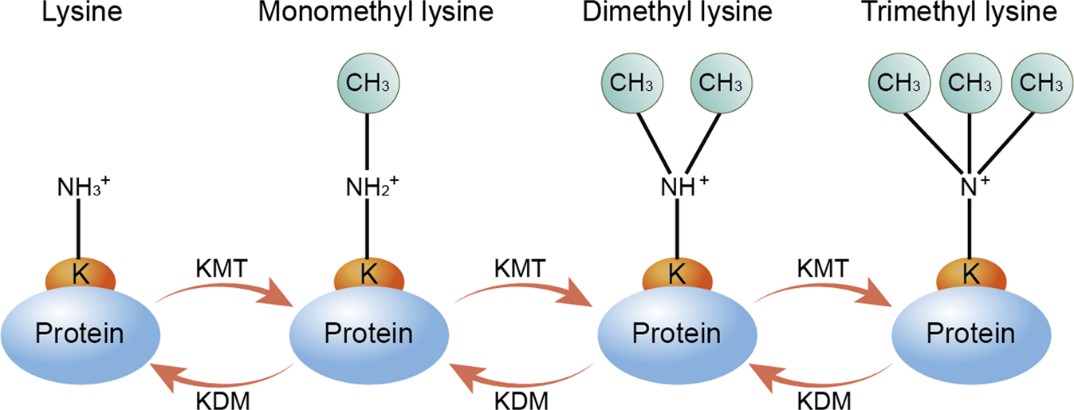 Figure 1. Lysine (K) methylation is a dynamic and reversible PTM of proteins.
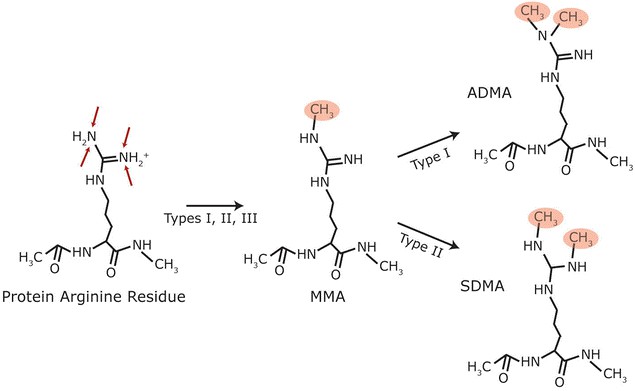 Figure 2. Types of mammalian protein arginine methylation.