
Inquiry Basket
 Loading ......
Antiphospholipid syndrome (APS) is an acquired autoimmune disorder that manifests clinically as recurrent venous or arterial thrombosis and/or fetal loss. Characteristic laboratory abnormalities in APS include persistently elevated levels of autoantibodies directed against membrane anionic phospholipids. The 3 main antiphospholipid antibodies (APLAs) include:
APS can be primary, or secondary to autoimmune processes, such as systemic lupus erythematosus (SLE) in 40% of cases. Genetic risk factors, such as coagulation factor mutations, increase the risk of antiphospholipid antibody-associated thrombosis. HLA-DR7, DR4, DRw53, DQw7, and C4 null alleles have been reported to be associated with APS. Infections, particularly viral, such as Borrelia burgdorferi, Coxiella burnetii, Treponema, hepatitis C, HIV, COVID-19, Epstein-Barr virus (EBV), and Leptospira, are associated with elevated APLA levels. It has been found that almost 50% of patients diagnosed with COVID-19 had positive APLA, most commonly lupus anticoagulant. In addition, several drugs, including chlorpromazine, procainamide, quinidine, and phenytoin, can induce APLA production.
In APS, APLAs primarily target β2-glycoprotein I (β2GPI), a plasma protein that binds to phospholipids. The binding of APLAs to β2GPI on the surface of endothelial cells upregulates the expression of prothrombotic cellular adhesion molecules, such as E-selectin and tissue factor (TF). Notably, APLAs against β2GPI disrupt the binding of annexin A5 to phospholipid bilayers, which accelerates coagulation reactions. In addition, APLAs binding to β2GPI suppress the inhibitors of tissue factor pathway, reduce the activity of protein C, and activate complement. Complement activation was also found as a possibly significant role in the pathogenesis of APS. Failure of complement-regulating mechanisms can result in uncontrolled complement activation, leading to direct cellular injury and thrombosis. Evidence from murine models suggests that APLAs mediated complement activation may be a primary event in pregnancy loss.
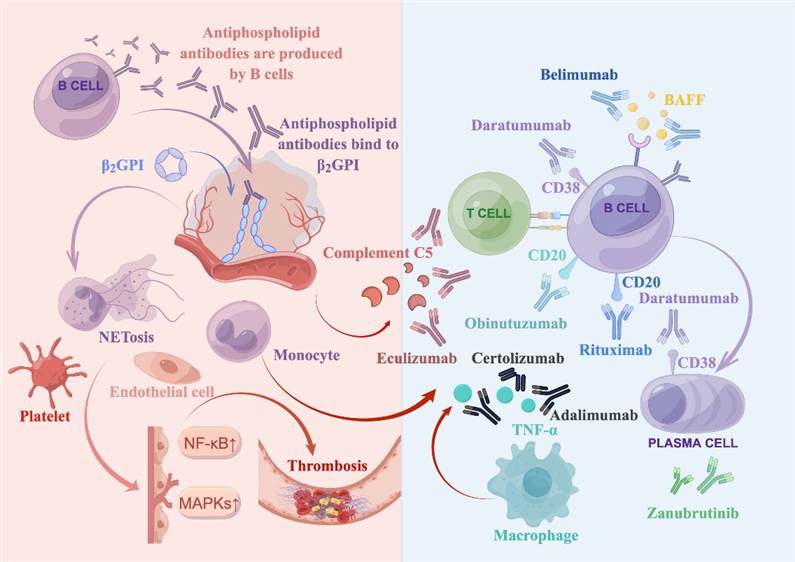 Fig. 1 Summary of antiphospholipid syndrome pathogenesis
Diagnosis of antiphospholipid syndrome (APS) requires the presence of a clinical criterion (thrombosis and/or pregnancy morbidity), combined with persistently circulating antiphospholipid antibodies. Currently, laboratory criteria APLAs consist of lupus anticoagulant (LAC), anticardiolipin antibodies (aCL) IgG/IgM, and anti-β2 glycoprotein I antibodies (aβ2GPI) IgG/IgM. LAC detection is based on functional coagulation assays, by applying two phospholipid-dependent coagulation tests, the diluted Russell's viper venom time (dRVVT) and LAC-sensitive activated partial thromboplastin time (aPTT). aCL and aβ2GPI are measured with immunological solid-phase assays, such as enzyme-linked immunosorbent and chemiluminescent assays. Laboratory criteria were defined as the presence of LAC, aCL IgG/IgM in medium to high titer, or aβ2GPI IgG/IgM higher than the 99th percentile, persistently present for at least 12 weeks. Additionally, IgG aCL and aβ2GPI are more strongly associated with thrombosis and obstetric morbidity compared to the IgM isotype.
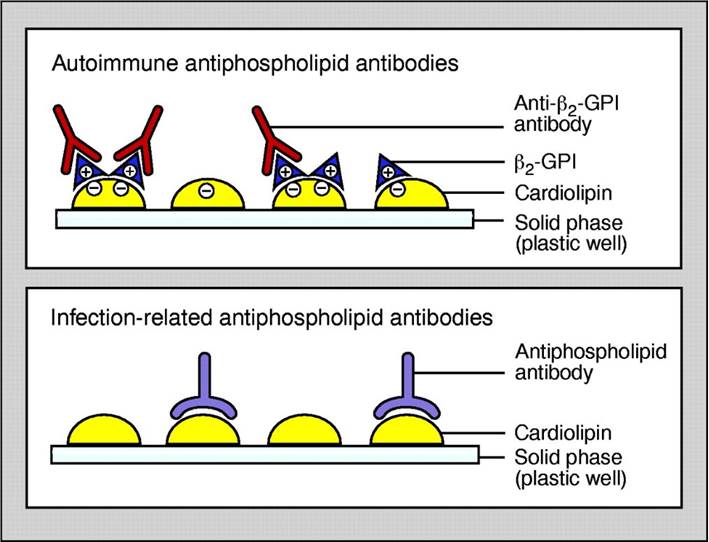 Fig. 2 Antiphospholipid antibody determination by enzyme-linked immunosorbent assay
Rituximab used in APS therapy is based on the crucial role of B cells in the pathogenesis of the disease. Rituximab may lower APLAs titers. In addition, rituximab may inhibit the expression of inducible co-stimulator (ICOS), which can suppress the activation of T helper cells in the development of APS.
Obinutuzumab can induce potent direct cell death (DCD) by rupturing lysosomes. Due to its ability to avoid rapid internalization like rituximab, this typical type II anti-CD20 antibody may induce more effective antibody-dependent cellular cytotoxicity (ADCC) and antibody-dependent cellular phagocytosis (ADCP).
Belimumab is a monoclonal antibody targeting the soluble circulating BAFF can lead to B cell depletion. It has been found can reduce APLA titers and ameliorate vascular symptoms.
Eculizumab can improve outcomes of refractory CAPS described in previous case reports. Thrombocytopenia or kidney injury in CAPS patients with thrombotic microangiopathy (TMA) may respond to eculizumab. In patients with CAPS, eculizumab has resulted in prevention of recurrent APS and rescuing renal allografts after kidney transplantation.
Daratumumab is a CD38 antibody that can attack plasma cells directly. It has been employed in the management of autoimmune-mediated diseases, including APS, SLE, and rheumatoid arthritis (RA).
APLAs may increase the expression of TNF-α by stimulating monocytes. In vitro studies have shown that adalimumab, a TNF-α blocker, completely inhibits anti-β2GPI-induced TF expression in monocytes. In mouse models, blocking TNF-α can improve endothelial dysfunction and prevent pregnancy loss.
Bruton tyrosine kinase (BTK) plays a significant role in regulating B cell proliferation, survival, differentiation, and cytokine expression, as well as influencing platelet activation. As such, zanubrutinib, a BTK inhibitor, is being studied in a prospective, single-arm, open-label clinical trial for the treatment of APS with secondary thrombocytopenia (clinicaltrials.gov#: NCT05199909).
| Anti-Cardiolipin Antibodies | |||
| Cat. No. | Product Name | Application | |
| CABT-L0237Y | Human Anti-cardiolipin monoclonal antibody, clone D24A | ELISA | Inquiry |
| CABT-L6468Z | Human Anti-cardiolipin monoclonal antibody, clone D24G | ELISA | Inquiry |
| CABT-L6469Z | Human Anti-cardiolipin monoclonal antibody, clone D24M | ELISA | Inquiry |
| CABT-L4631 | Human Anti-cardiolipin polyclonal antibody | ELISA | Inquiry |
| Anti-β2GPI Antibodies | |||
| Cat. No. | Product Name | Application | |
| CABT-L6552Z | Mouse Anti-Human APOH monoclonal antibody, clone I320 | WB, ELISA(Cap) Pair with CABT-L6553Z | Inquiry |
| CABT-L6553Z | Mouse Anti-Human APOH monoclonal antibody, clone II575 [Biotin] | WB, ELISA(Det) Pair with CABT-L6552Z | Inquiry |
| CABT-L6309 | Human Anti-Human B2GPI monoclonal antibody, clone G | ELISA | Inquiry |
| CABT-L6310 | Human Anti-Human B2GPI monoclonal antibody, clone M | ELISA | Inquiry |
| DPAB-DC1686 | Mouse anti-Human APOH polyclonal antibody | WB, ELISA | Inquiry |
| DPABH-11734 | Rabbit Anti-Human APOH polyclonal antibody | WB, IHC, IF, ELISA | Inquiry |
| CABT-L510 | Goat Anti-Human APOH polyclonal antibody | IEP, ELISA | Inquiry |
| CABT-L511 | Goat anti Human APOH polyclonal antibody [HRP] | IEP, ELISA | Inquiry |
| Anti-BTK Antibodies | |||
| Cat. No. | Product Name | Application | |
| CAB-8425MH | Mouse Anti-Human BTK monoclonal antibody, clone 15G8 | WB, FC, IHC | Inquiry |
| DCABH-9453 | Rabbit Anti-Human BTK monoclonal antibody, clone TU62-16 | WB, IP | Inquiry |
| DPABH-16284 | Rabbit Anti-Human?BTK?polyclonal antibody | WB, IP, ELISA | Inquiry |
| DPABH-00532 | Rabbit Anti-Human BTK (aa 91-417) polyclonal antibody | WB, ICC/IF | Inquiry |
| DPABH-00533 | Rabbit Anti-Human BTK (aa 429-659) polyclonal antibody | WB, IHC-P | Inquiry |
Loading ......
