



Inquiry Basket
 Loading ......

Gentamicin falls under the category of aminoglycoside antibiotics that are considered broad-spectrum antibiotics. Scientists employ Gentamicin in laboratory research for molecular cloning screening and bacterial culture contamination control along with clinical treatment applications and veterinary uses. Are you interested in learning about the production process for Gentamicin? What is its molecular mechanism? How to perform detection and analysis? Creative Diagnostics provides a detailed Gentamicin research guide to help researchers understand and apply it correctly. Come check it out

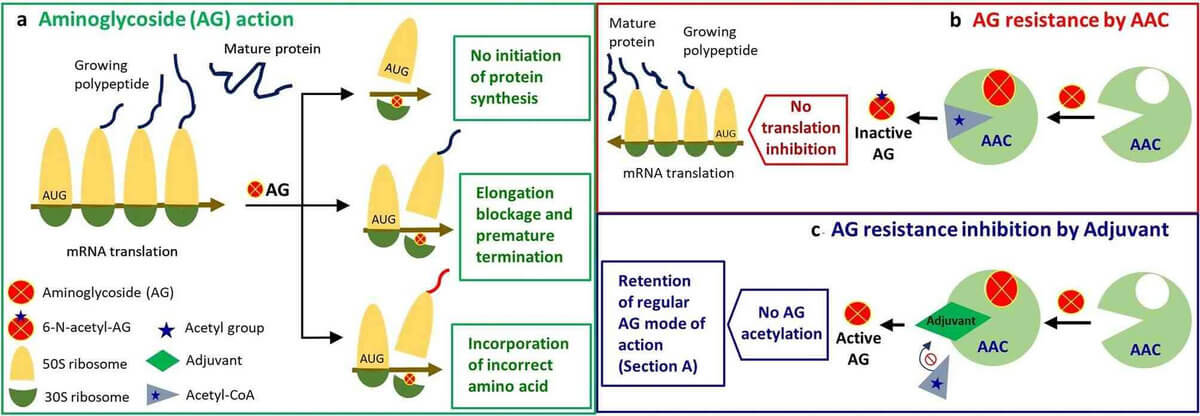
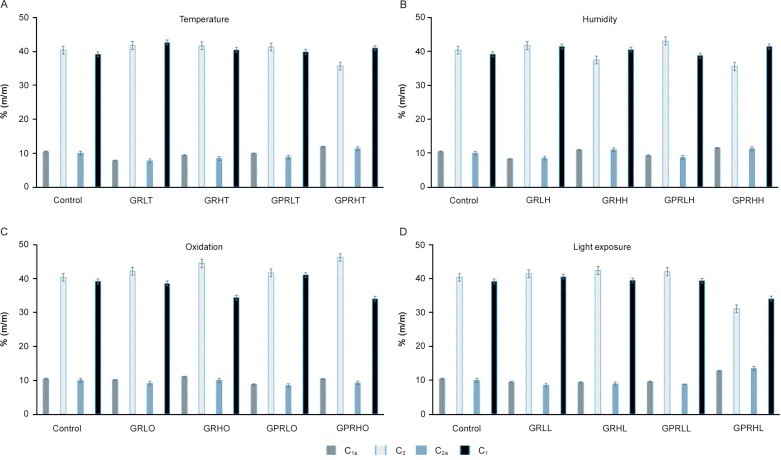
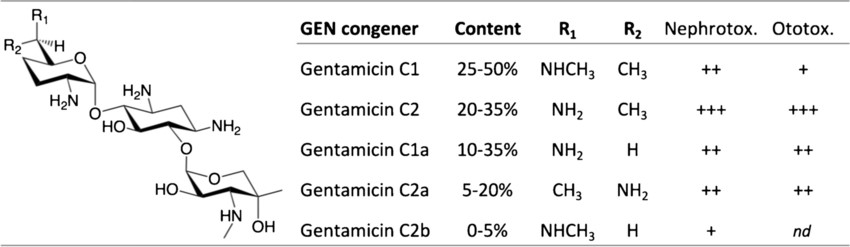
The antibiotic Gentamicin functions as a broad-range aminoglycoside and Micromonospora purpurea bacteria produce it. The chemical name Gentamicin sulfate shares its molecular formula C60H123N15O21 molecular weight 1390.71 and CAS number 1403-66-3. The mixture contains multiple components such as C1 and C2 as well as other elements including C2a and C2b and both C1 and C2a exhibit powerful antibacterial effects. Research demonstrates that gentamicin functions as an antibiotic through its interaction with the bacterial 30S ribosomal subunit. The antibiotic attaches itself to the bacterial 30S ribosomal subunit which results in the disruption of mRNA translation and protein synthesis. The mechanism through which gentamicin acts enables it to effectively suppress Gram-negative bacteria and selected Gram-positive bacterial strains.

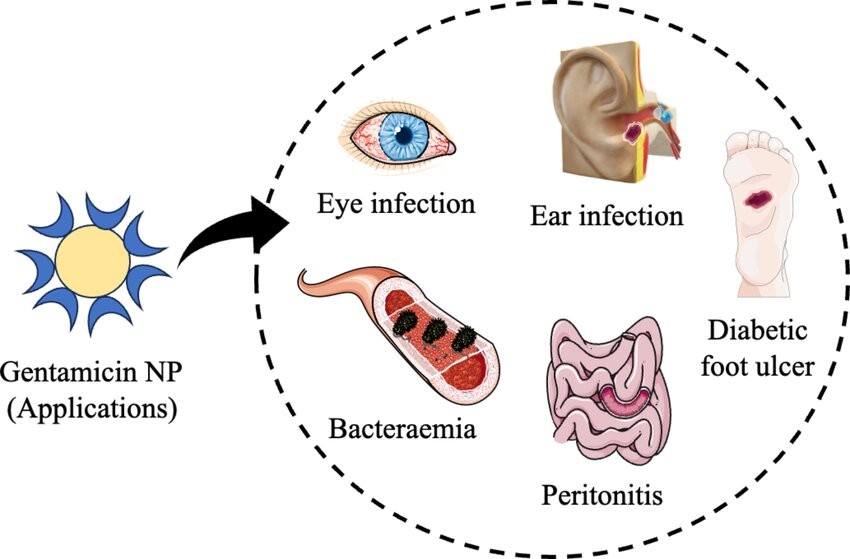
Gentamicin functions as a standard antibiotic therapy for bacterial infections that respond to treatment including sepsis and infections affecting the urinary, intestinal, and respiratory tracts. Following intramuscular administration, the drug achieves rapid complete absorption resulting in a high peak blood concentration with a half-life that lasts between 2 to 3 hours. Gentamicin shows increased antibacterial effectiveness under alkaline conditions yet exhibits higher toxicity levels. When prescribing gentamicin doctors should closely monitor patients because it can lead to hearing and kidney damage particularly in patients who have existing kidney problems. Although gentamicin retains its synergistic properties with β-lactams antibiotics its clinical usage has decreased because of drug resistance problems.
The antibiotic Gentamycin functions by binding irreversibly to the bacterial ribosome's 30S subunit which disrupts mRNA reading and blocks protein synthesis. The binding action results in amino acid codons being misread which produces non-functional protein sequences that eventually kill bacteria. Gentamicin disrupts the formation of peptide bonds during high concentration exposure and primarily disrupts protein synthesis by causing mRNA misinterpretation at lower concentrations. Gentamicin exhibits broad antibacterial effects against Gram-negative and some Gram-positive bacteria but has high toxicity levels which can lead to ototoxicity and nephrotoxicity.

Common Side Effects
Serious Side Effects

Gentamicin testing proves clinical safety and production effectiveness by evaluating therapeutic efficiency and safety profile together. Gentamicin remains a limited choice for treating Gram-negative bacterial infections but its effectiveness is overshadowed by harmful ototoxic and nephrotoxic effects. Gentamicin testing primarily aims to:

Gentamicin ELISA detection functions through a competitive ELISA process. The microplate-bound gentamicin antigen and sample gentamicin compete for anti-gentamicin antibody binding during the detection process. As gentamicin concentration increases in the sample the absorbance value decreases because the substrate and enzyme-labeled secondary antibody (like HRP-labeled anti-gentamicin antibody) causes a color change through its reaction. The gentamicin concentration in the sample is measured by using a standard curve.
Here are the sensitivity and specificity measurements for the gentamicin ELISA test:
Sensitivity
The gentamicin ELISA kit technical specifications indicate that its detection sensitivity is 0.1 ppb. 0.05 ng/mL). Studies show some gentamicin ELISA kits achieve a detection limit of 0.1 ng/mL. The detection limit for gentamicin in the colloidal gold immunochromatography technique stands at 0.7μg/mL.
Specificity
| Target | Cat. No. | Product Name | Host | Isotype | Application | |
| Gentamicin | HMABPY043 | RHA™ anti-Gentamicin monoclonal antibody, clone GM | Mouse | IgG | ELISA, LFIA | Inquiry |
| DPBT-68266SG | Anti-Gentamicin polyclonal antibody | Sheep | IgG | ELISA | Inquiry | |
| DMAB3403 | Anti-Gentamicin monoclonal antibody, clone A104 | Mouse | IgG2a | IA | Inquiry | |
| DMAB3404 | Anti-Gentamicin monoclonal antibody, clone A103 | Mouse | IgG2a | ELISA | Inquiry | |
| DMAB6614 | Anti-Gentamicin monoclonal antibody, clone monoclonal,H5-10 | Mouse | IgG2a | cELISA, IFIA | Inquiry | |
| DMAB6615 | Anti-Gentamicin monoclonal antibody, clone monoclonal, clone CloneH11-18 | Mouse | IgG1a | cELISA, IFIA | Inquiry | |
| DMAB6616 | Anti-Gentamicin monoclonal antibody, clone monoclonal,H17-33 | Mouse | IgG1a | cELISA, IFIA | Inquiry | |
| DMABT-54913MG | Anti-Gentamicin monoclonal antibody, clone HF2 | Mouse | IgG1 | IA | Inquiry | |
| DMABT-54914MG | Anti-Gentamicin monoclonal antibody, clone HF3 | Mouse | IgG1 | IA | Inquiry |
| Target | Cat. No. | Product Name | Expression System | Tag/Conjugate | Application | |
| Gentamicin | DAG4468 | Gentamicin [BSA] | N/A | BSA | N/A | Inquiry |
| DISNJ17 | Gentamicin Sulfate Standard | N/A | N/A | ELISA | Inquiry | |
| DAGA-043K | Gentamicin [KLH] | N/A | KLH | Immunogen | Inquiry | |
| DAGA-032H | Gentamicin [HRP] | N/A | HRP | ELISA | Inquiry | |
| DAG4468O | Gentamicin [OVA] | N/A | OVA | ELISA, LFIA | Inquiry | |
| DAG-WT2703 | Gentamicin control | N/A | Unconjugated | Immunoassays | Inquiry |
| Target | Cat. No. | Product Name | Size | Species | Application | Detection Sample | |
| Gentamicin | DEIA047 | Gentamicin ELISA Kit | 96T | N/A | Quantitative | Vaccine, cell culture | Inquiry |
| DEIA6884 | Gentamicin ELISA Kit | 96T | N/A | Quantitative | serum, plasma, cell lysates, tissue homogenates, and food samples | Inquiry | |
| DEIA-WZ6884 | High Sensitivity Gentamicin ELISA Test Kit | 96T | Quantitative | biological samples | Inquiry |
Scientific research applications in molecular biology and biochemistry frequently utilize gentamicin. The main scientific research applications of this compound span several areas.
Cell culture: Scientists employ gentamicin in cell culture procedures to prevent bacterial contamination. Gentamicin shows effectiveness within the range of 0.5-50 μg/mL but scientists most often employ 50 mg/L in research settings.
Molecular biology research: Gentamicin functions as a selection tool to detect clones that have developed resistance to gentamicin. In molecular biology experiments scientists frequently use a 15 μg/mL concentration to select positive clones.
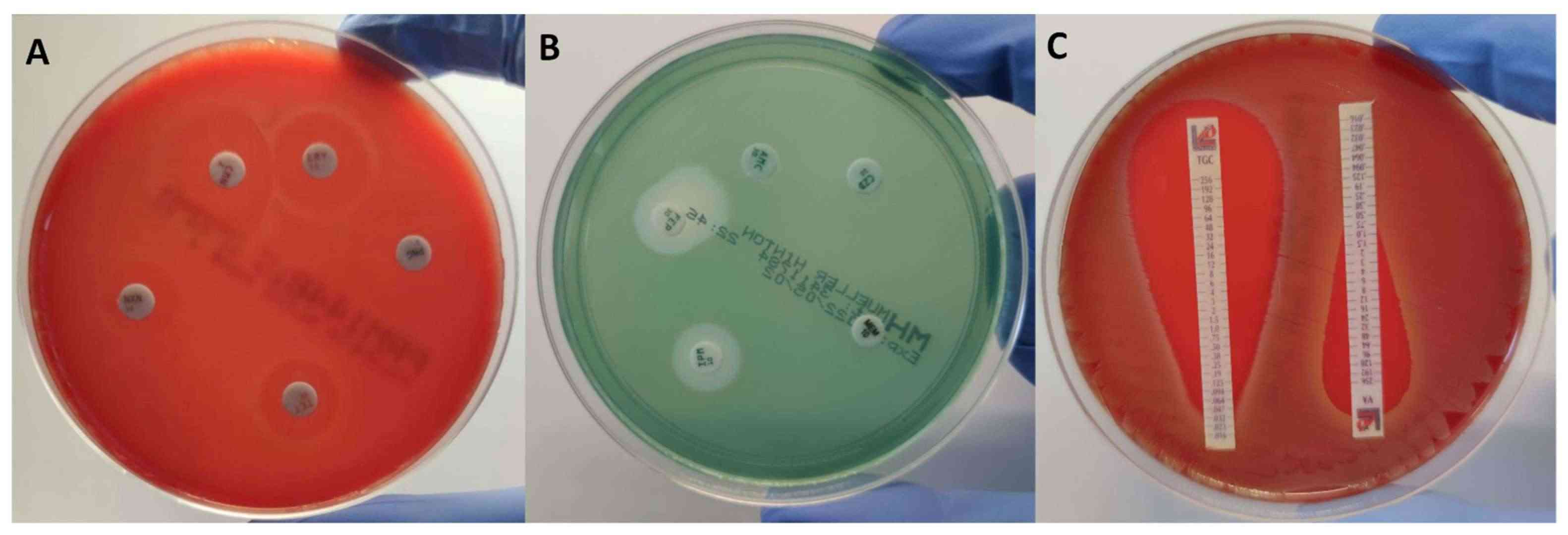
Microbiology research: The drug sensitivity test uses gentamicin to identify bacterial strains that respond to gentamicin treatment.
Virus research: In virus research scientists use gentamicin as an antibacterial treatment during virus culture processes.
The medication Gentamicin produces multiple side effects that range from common to serious.
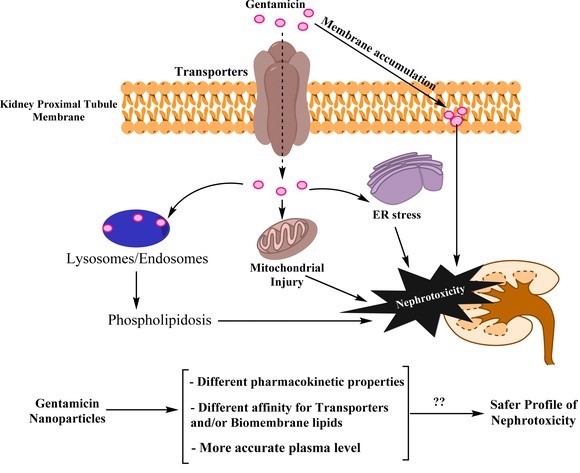
Gentamicin administration can result in hearing loss and tinnitus while causing balance issues through ototoxicity and kidney damage through nephrotoxicity which becomes more probable during high doses or extended use this drug can also lead to nervous system toxic effects which present as dizziness, muscle twitching and epileptic seizures.
Serious side effects which occur less frequently are severe allergic reactions including rash and breathing difficulties along with blood system complications like leukopenia and thrombocytopenia accompanied by metabolic disorders such as hypomagnesemia and hypocalcemia.
The testing of Gentamicin is essential because it guarantees the drug remains effective and safe throughout clinical treatment and production processes. The necessity for testing Gentamicin arises from its ototoxic and nephrotoxic effects which restrict its usage and such testing aims to determine drug content, analyze toxic properties, evaluate drug performance, and detect remaining residues.
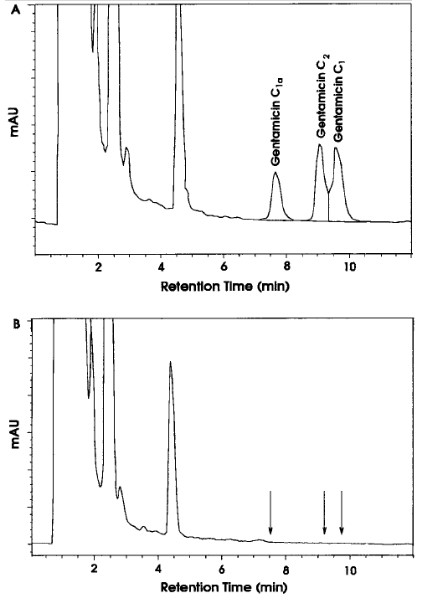
Researchers perform high-performance liquid chromatography (HPLC) and enzyme-linked immunosorbent assay (ELISA) testing to ensure accurate drug dosing through drug content detection.
Toxicological property evaluation helps medical professionals recognize ototoxicity effects and nephrotoxicity patterns while checking metabolic stability for safe drug usage.
Optimizing treatment plans requires drug efficacy evaluation through serum concentration monitoring.
Detecting residues in food and biological products plays a crucial role in maintaining food safety and protecting public health. Mass spectrometry and colloidal gold immunochromatography serve as alternative methods for detection.
The fundamental benefit of Gentamicin ELISA detection emerges from its competitive ELISA foundation. The microplate has a pre-coated gentamicin antigen that competes with sample gentamicin to bind the anti-gentamicin antibody. Next, scientists add an enzyme - tagged secondary antibody which may include HRP - tagged anti - gentamicin antibody. The development reaction of substrate color demonstrates an inverse relation between absorbance and the gentamicin concentration in the sample. The sample's gentamicin concentration measurement is obtained through the use of a standard curve.
The gentamicin ELISA kit demonstrates sensitivity levels down to 0.1 ppb which equals 0.05 ng/mL while certain kits provide a detection limit of 0.1 ng/mL. The colloidal gold immunochromatography method achieves a sensitivity level of 0.7μg/mL. The ELISA kit and colloidal gold immunochromatography method demonstrate excellent specificity since they do not show any cross-reaction with other drugs or related substances.
Scientific researchers frequently use gentamicin as a key reagent in molecular biology and biochemical experiments.
In cell culture, it inhibits bacterial contamination. The effective concentration range is 0.5 - 50 μg/mL, and the recommended concentration is 50 mg/L.
In molecular biology research, it serves as a selection agent to screen positive clones carrying gentamicin resistance genes, often at a concentration of 15μg/mL.
In microbiology research, it is used in drug - sensitivity tests to screen bacteria sensitive to gentamicin.
In virus research, it is used for antibacterial treatment during virus culture.
Loading ......
