
Inquiry Basket
 Loading ......
Healthcare providers have relied on Gentamicin as a key aminoglycoside antibiotic for the treatment of bacterial infections predominantly caused by Gram-negative bacteria. The clinical effectiveness and safety of patients depend on understanding Gentamicin metabolism and its metabolic products as well as the factors that affect this metabolic process. This article investigates Gentamicin's metabolic pathways together with its resulting metabolic products and the different factors that impact its metabolism, and serves as a complete and accessible introduction to drug metabolism for healthcare professionals and researchers alike.
The metabolic process of Gentamicin within the human body shows multiple unique characteristics. Most drugs require hepatic metabolism before elimination but Gentamicin exits the body unchanged through renal excretion. The drug does not experience substantial liver metabolism so its pharmacokinetics depend mainly on kidney function. Clinicians need to understand this metabolic trait because Gentamicin clearance depends directly on kidney function which makes kidney health monitoring essential during prescription.
Gentamicin elimination occurs mainly through renal excretion while the drug undergoes minimal metabolic transformation in the liver. The primary function of the drug takes place in the kidneys because it undergoes filtration by the glomeruli before reaching the renal tubular cells. Biotransformation of Gentamicin happens within renal cells but this reaction remains minimal when compared to liver-metabolized drugs.
Gentamicin follows a simple metabolic pathway yet builds up in kidney cells predominantly in patients with diminished renal function. The nephrotoxic effects associated with Gentamicin therapy result from the drug's accumulation in kidney tissues. Patients who take this medication require routine monitoring of their renal function.
Here's a summary of the metabolic pathway:
| Step | Description |
| Absorption | Gentamicin is administered intravenously or intramuscularly and is rapidly absorbed into the bloodstream. |
| Distribution | The drug quickly distributes to extracellular fluid, with high concentrations found in the kidneys, liver, and inner ear. |
| Metabolism | Limited metabolism occurs within renal tubular cells, primarily via binding to phospholipids and cellular proteins. |
| Excretion | Gentamicin is primarily excreted unchanged through the kidneys. |
The main way Gentamicin leaves the body is through kidney filtration yet it avoids substantial enzymatic alteration by cytochrome P450 which typically manages drug processing in the liver.
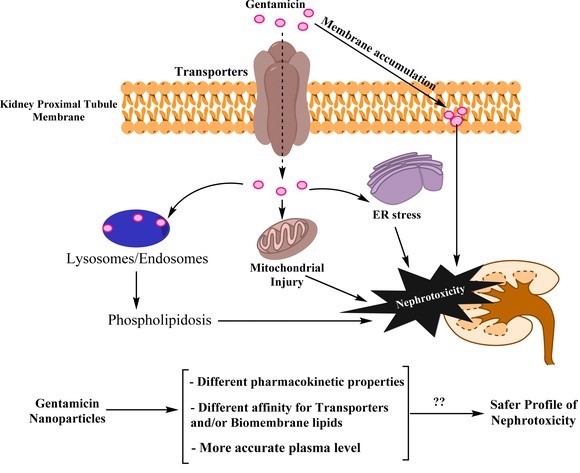 Figure 1. Mechanisms of nephrotoxicity induced by gentamicin as reported in previous investigations. (Sources: Jamshidzadeh A, et al. 2015)
The number of metabolic products resulting from Gentamicin remains low because the drug is mostly cleared from the body in its original form. Although research has detected small amounts of metabolites in urine samples studies confirm that these metabolites do not exhibit meaningful pharmacological activity. Healthcare professionals primarily worry about toxicity from elevated serum levels of the main compound rather than its metabolites in patients with reduced kidney function.
Gentamicin therapy carries a known risk of causing kidney damage. The drug can damage renal tissues when it builds up there especially in patients with existing renal impairment. The metabolites of Gentamicin generally pose no harm but its nephrotoxic properties need careful consideration during patient treatment.
Multiple factors impact how Gentamicin is metabolized and eliminated which affects the drug processing within the body. Genetic predispositions alongside diseases drug interactions and environmental conditions represent the primary factors affecting the drug's processing. Now we will examine the most significant factors that influence this process.
Different genetic mutations affect the metabolism and clearance process of Gentamicin in the human body. Specific genetic variations in kidney transporters can impact how drugs are absorbed and distributed within kidney tissues. These genetic polymorphisms result in changed drug clearance rates which raise the levels of the drug in blood and tissues thus boosting toxicity risk.
Gentamicin remains in the body longer when kidneys fail because they are responsible for its clearance. Those suffering from CKD or AKI who experience decreased renal clearance are more susceptible to developing nephrotoxic conditions. Medical practitioners must determine proper drug dosages and conduct consistent blood serum level assessments to avoid toxic outcomes.
Gentamicin administration often occurs alongside other drugs that can impact kidney function. The combination of Gentamicin with loop diuretics and NSAIDs enhances nephrotoxic risk. The drugs have two harmful effects on the kidneys: These medications damage kidney cells and reduce blood flow through the kidneys which diminishes kidney function to remove Gentamicin. Physicians should use care when combining Gentamicin with medications that could influence kidney performance.
The pharmacokinetics of Gentamicin are affected by both patient age and body weight. Older patients experience reduced renal function which leads to slower drug removal from the body. Patients who possess greater body weight may need altered dosing because Gentamicin distributes differently in those with more adipose tissue. To determine the correct dosage for patients' clinicians must evaluate these specific factors.
The metabolism of Gentamicin may be affected by various nutritional factors and environmental conditions. A diet rich in protein boosts renal blood flow which may lead to improved drug elimination. Gentamicin elimination slows when dehydration or reduced kidney blood flow occurs which can lead to increased toxicity.
Gentamicin administration requires careful evaluation since it undergoes renal processing which could lead to kidney damage. Clinicians must adjust dosages and monitor drug levels regularly for patients who have kidney impairment. To ensure Gentamicin remains effective and minimizes toxicity in critically ill patients healthcare providers must carefully calculate dosages. These patients must undergo therapeutic drug monitoring to ensure Gentamicin levels remain in the therapeutic range.
Nephrotoxic Gentamicin requires healthcare professionals to watch for initial signs of kidney damage including serum creatinine changes and urine output modifications. To reverse nephrotoxic effects healthcare professionals often adjust Gentamicin dosage or discontinue its use entirely.
Optimal clinical application of Gentamicin requires understanding its metabolic pathways and bodily processing variables. Medical professionals need to carefully monitor and modify the dosage of this medication since its antibacterial effectiveness comes with kidney damage risks which require careful management for patients with preexisting kidney problems. Healthcare professionals who grasp the metabolic complexity and clinical consequences of Gentamicin achieve better therapeutic outcomes while protecting patient health. The metabolic process of Gentamicin illustrates the application of pharmacokinetic principles in making clinical drug management choices. Studying drug metabolism pathways and influencing factors will expand our understanding of Gentamicin to ensure its sustained role as a vital medical antibiotic.
References
| Target | Cat. No. | Product Name | Host | Isotype | Application | |
| Gentamicin | HMABPY043 | RHA™ anti-Gentamicin monoclonal antibody, clone GM | Mouse | IgG | ELISA, LFIA | Inquiry |
| DPBT-68266SG | Anti-Gentamicin polyclonal antibody | Sheep | IgG | ELISA | Inquiry | |
| DMAB3403 | Anti-Gentamicin monoclonal antibody, clone A104 | Mouse | IgG2a | IA | Inquiry | |
| DMAB3404 | Anti-Gentamicin monoclonal antibody, clone A103 | Mouse | IgG2a | ELISA | Inquiry | |
| DMAB6614 | Anti-Gentamicin monoclonal antibody, clone monoclonal,H5-10 | Mouse | IgG2a | cELISA, IFIA | Inquiry | |
| DMAB6615 | Anti-Gentamicin monoclonal antibody, clone monoclonal, clone CloneH11-18 | Mouse | IgG1a | cELISA, IFIA | Inquiry | |
| DMAB6616 | Anti-Gentamicin monoclonal antibody, clone monoclonal,H17-33 | Mouse | IgG1a | cELISA, IFIA | Inquiry | |
| DMABT-54913MG | Anti-Gentamicin monoclonal antibody, clone HF2 | Mouse | IgG1 | IA | Inquiry | |
| DMABT-54914MG | Anti-Gentamicin monoclonal antibody, clone HF3 | Mouse | IgG1 | IA | Inquiry |
| Target | Cat. No. | Product Name | Expression System | Tag/Conjugate | Application | |
| Gentamicin | DAG4468 | Gentamicin [BSA] | N/A | BSA | N/A | Inquiry |
| DISNJ17 | Gentamicin Sulfate Standard | N/A | N/A | ELISA | Inquiry | |
| DAGA-043K | Gentamicin [KLH] | N/A | KLH | Immunogen | Inquiry | |
| DAGA-032H | Gentamicin [HRP] | N/A | HRP | ELISA | Inquiry | |
| DAG4468O | Gentamicin [OVA] | N/A | OVA | ELISA, LFIA | Inquiry | |
| DAG-WT2703 | Gentamicin control | N/A | Unconjugated | Immunoassays | Inquiry |
| Target | Cat. No. | Product Name | Size | Species | Application | Detection Sample | |
| Gentamicin | DEIA047 | Gentamicin ELISA Kit | 96T | N/A | Quantitative | Vaccine, cell culture | Inquiry |
| DEIA6884 | Gentamicin ELISA Kit | 96T | N/A | Quantitative | serum, plasma, cell lysates, tissue homogenates, and food samples | Inquiry | |
| DEIA-WZ6884 | High Sensitivity Gentamicin ELISA Test Kit | 96T | Quantitative | biological samples | Inquiry |
Loading ......
