
Inquiry Basket
 Loading ......
Extraintestinal Pathogenic E. coli (ExPEC) refers to E. coli strains that possess virulence traits enabling them to invade, colonize, and induce disease in bodily sites beyond the gastrointestinal tract. Unlike diarrheagenic E. coli strains, which primarily cause intestinal diseases, ExPEC strains are responsible for extraintestinal illnesses. ExPEC strains are divided into three major pathotypes: uropathogenic E. coli (UPEC), sepsis-causing E. coli (SEPEC), and neonatal meningitis-associated E. coli (NMEC). Human diseases caused by ExPEC include urinary tract infections, neonatal meningitis, sepsis, pneumonia, surgical site infections, as well as infections in other extraintestinal locations. Among all infections caused by ExPECs, the urinary tract is the most common site of infection. ExPEC-induced diseases represent a large burden in terms of medical costs and productivity losses. In addition to human illnesses, ExPEC strains also cause extraintestinal infections in domestic animals and pets. A commonality of virulence factors has been demonstrated between human and animal ExPEC, suggesting that the organisms are zoonotic pathogens.
 Figure 1. ExPEC reservoir and infection sites. (Qiu, 2024)
Virulence factors (VFs) associated with ExPEC pathogenicity are numerous and broad in scope, ranging from those associated with colonisation and bacterial fitness, to those that are more traditionally associated with the term virulence, e.g. VFs associated with ExPEC host invasion. ExPEC VFs are encoded on the bacterial chromosome, where they are usually located within pathogenicity islands (PAIs), or on plasmids, and are separated into five main groups including: 1. adhesins; 2. toxins; 3. iron acquisition systems; 4. capsule production and; 5. protectins and invasins.
Tabel 1. ExPEC virulence factors. (Dale AP, 2015)
| Virulence factor | Gene(s) | Virulence factor | Gene(s) |
| Adhesins | Toxins | ||
| Adhesion siderophore | iha | α-haemolysin | hylD |
| Dr binding adhesins | afa/draBC | Cytolethal distending toxin | cdtB |
| E. coli common pilus | ecpA | Cytotoxic necrotising factor | Cnf1 |
| F1C fimbriae | foc gene cluster | Enteroaggregative E. coli toxin | astA |
| Heat-resistant haemagglutinin | hra | Haemolysin A | hylA |
| M fimbriae | bmaE | Secreted autotransporter toxin | sat |
| N-acetyl D-glucosamine-specific fimbriae | gaf | Serine protease | pic |
| P fimbriae | papACEFG | Vacuolating toxin | vat |
| S fimbriae | sfa/sfas | Iron acquisition systems | |
| Temperature sensitive haemagglutinin | Aerobactin receptor | iutA | |
| Type 1 fimbriae | fimH | Peri-plasmic iron binding protein | SitA |
| Others | Salmochelin receptor | iroN | |
| β-glucoronidase | uidA | Siderophore receptor | ireA |
| Colibactin synthesis | Clb & clbB | Yersiniabactin receptor | fyuA |
| Uropathogenic-specific protein | usp | Protectins and invasins | |
| Flagellin variant | H7 fliC | Colicin V | Cva |
| Maltose and glucose-specific PTS transporter subunit IICB | MalX | Conjugal transfer surface exclusion protein | traT |
| Pathogenicity island marker | malX | Group 3 capsule | kpsMT II |
| D-serine deaminase | DsdA | Increased serum survival | iss |
In the United States, UTIs account for approximately 0.9% of all outpatient and emergency department visits and nearly 8% of all hospitalizations. Catheter-associated UTIs are the second most common cause of healthcare-related infections in the United States. The vast majority of uncomplicated infections, recurrent UTIs, and cases of pyelonephritis, and around one third of catheter-associated infections in the United States are caused by ExPEC.
E. coli is a leading cause of bacteremia worldwide. The most common source of bacteremia in adults is the urinary tract. Between 2% and 6% of patients who undergo transrectal prostate biopsy develop infectious complications, which can include bacteremia.
ExPEC-related neonatal meningitis is associated with mortality rates approaching 40% and, in survivors, up to 50% develop significant neurological sequelae including seizures, hydrocephalus, encephalopathy and neurodevelopmental delay.
In early ExPEC vaccine studies, whole cell inactivated formulations were widely utilized. As antigen discovery methods evolve, polysaccharide conjugate vaccines and protein subunit vaccines that target one or multiple ExPEC antigens become more popular. Here is a scheme of an ExPEC cell with its virulence factors and respective antigens highlighted, which have been used as vaccine targets in previous studies.
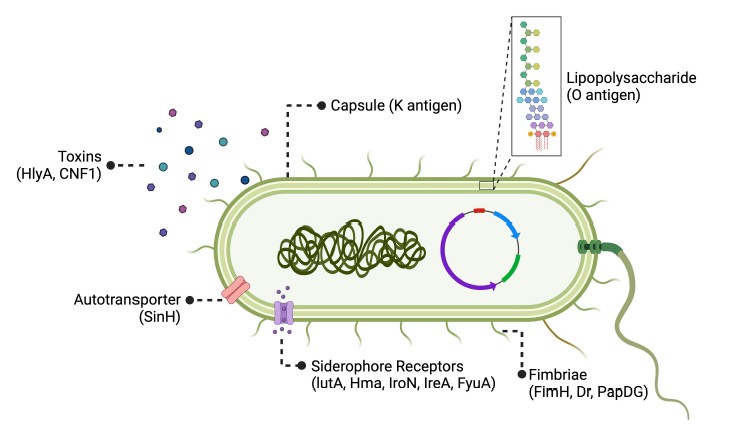 Figure 2. ExPEC vaccine antigen targets. (Qiu, 2024)
A new opportunity for multivalent ExPEC vaccine development is bioconjugation technology. Bioconjugation refers to the biosynthesis of polysaccharide and carrier protein within E. coli cells and their subsequent in vivo coupling by use of the oligosaccharyltransferase PglB from the N-linked protein glycosylation system originally identified in Campylobacter jejuni and subsequently transferred to E. coli. In the bioconjugation process, PglB acts to transfer diverse O polysaccharides to a protein carrier (eg, EPA) present in the periplasm, from which the resulting bioconjugate is subsequently harvested using a generic purification process.
 Figure 3. Process of in vivo bioconjugation, using recombinant Escherichia coli.
(Poolman, 2016)
ExPEC is a global pathogen causing a spectrum of diseases that affect all ages. The increasing incidence and associated costs of disease caused by ExPEC and the burgeoning problems associated with the emergence and spread of MDR ExPEC strains means that an effective vaccine against ExPEC infection is urgently needed.
Pathogenic E. coli: Types, Toxins, and Detection Methods
Enteropathogenic E. coli (EPEC)
Enterotoxigenic E. coli (ETEC)
Enterohemorrhagic E. coli (EHEC)
Adherent invasive E. coli (AIEC)
Enteroaggregative E. coli (EAEC)
Diffusely-adhering E. coli (DAEC)
Verocytotoxigenic / Shiga toxin-producing E. coli (VTEC / STEC)
References
Loading ......
