
Inquiry Basket
 Loading ......
Escherichia coli (E. coli) belongs to the genus Escherichia. Moreover, it is a facultative (aerobic and anaerobic growth) gram-negative that cannot sporulate, and it has only one circular chromosome, some with a circular plasmid, and it has adhesive fibres in it. The cell of E. coli is 1-3 x 0.4-0.7 µm in size and 0.6 to 0.7 µm in volume. E. coli can be commonly found in animal feces, the lower intestines of mammals, and even on the edge of hot springs. In addition to its harmless existence as a gut commensal, E. coli is a major cause of human intestinal pathologies such as watery and/or bloody diarrhea, hemolytic uremic syndrome (HUS), and colitis. It also causes extraintestinal diseases such as bacteremia and sepsis, meningitis, and urinary tract infections (UTI). Intestinal illnesses will be described by the causative E. coli subtypes, including enterotoxigenic E. coli (ETEC), enterohemorrhagic E. coli (EHEC), which is also known as Shiga toxin-producing E. coli (STEC) and will be referred to as EHEC/STEC, enteroinvasive E. coli (EIEC), enteropathogenic E. coli (EPEC), and enteroaggregative E. coli (EAEC).
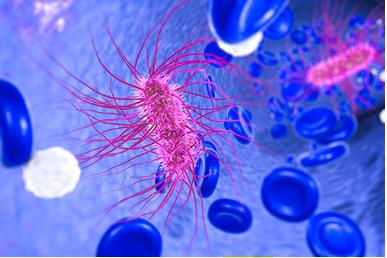 Fig. 1 Cell structure of E. coli from U.S
E. coli possesses a broad range of virulence factors. In addition to the general factors present by all members of the family Enterobacteriaceae, Escherichia strains possess specialized virulence factors that can be placed into two general categories: adhesins and exotoxins. Virulence factors of E. coli can affect a wide range of eukaryotic cellular processes, including cell signalling, ion secretion, protein synthesis, mitosis, cytoskeletal function and mitochondrial function. Virulence factors of pathogenic E. coli are frequently encoded on genetic elements such as plasmids, bacteriophages, transposons and pathogenicity islands. These elements can be mobilized into different strains to create novel combinations of virulence factors.
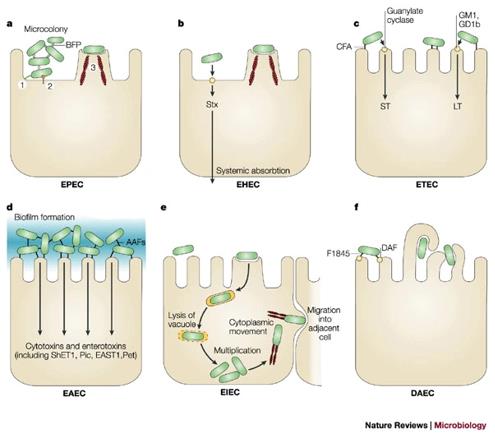 Fig. 2 E. coli pathogenicty (Kaper et al., 2004)
Samples of blood, stool, or other clinical material are sent for culture to make a diagnosis of E. coli. Many strains of E. coli are resistant to ampicillin and tetracyclines, so other drugs should be used, such as piperacillin, cephalosporins, carbapenems etc. EHEC gastrointestinal infection is not treated with antibiotics. Creative Diagnostics now can provide multiple high-quality E. coli antigens to our customers with a cheaper price for various applications in both industry and academic programs. Feel free to contact us for more details.
Loading ......
