
Inquiry Basket
 Loading ......
Rabies virus (RABV), a neurological, enveloped, single-stranded RNA virus belonging to the family Elastoviridae, is the causative agent of rabies and causes severe neurological disease in humans and many animals. It is the notorious causative agent of rabies and is capable of infecting a wide range of humans and animals, causing extremely severe neurological disease with a lethality rate approaching 100 per cent. RABV has an extremely wide host range, including organisms ranging from plants to insects and mammals, with mammals being the predominant species. Each year, rabies kills about 59,000 people worldwide, many of them even children. We know that rabies is completely vaccine-preventable, and the prognosis is usually favorable with timely human post-exposure prophylaxis (PEP) and animal host vaccination.
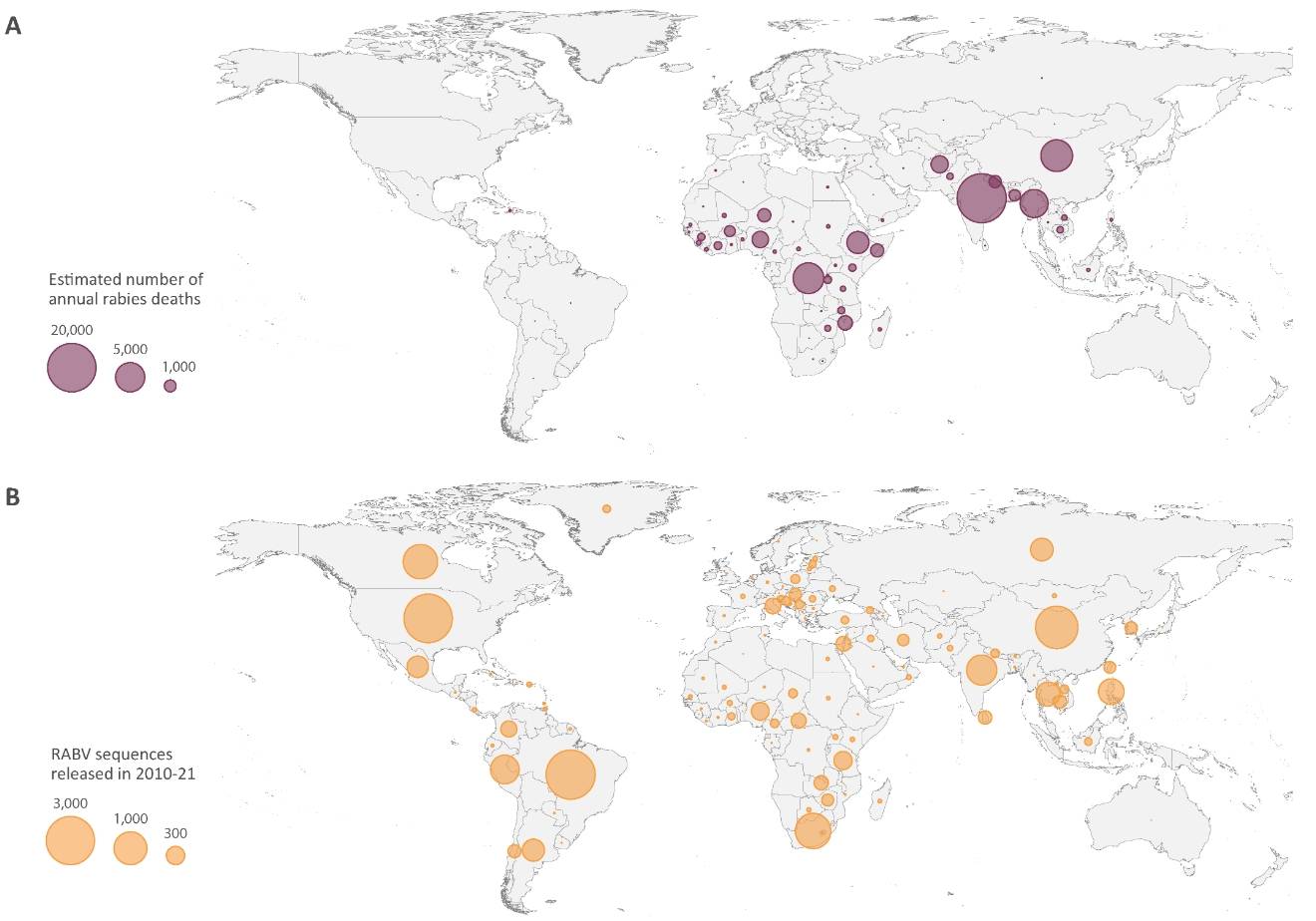 Figure 1. Estimated Global Incidence of Annual Deaths Due to Canine Rabies
(Source: Nahata KD, et al. 2021)
RABV has a bullet-shaped morphology with a length of about 180 nm and a cross-sectional diameter of about 75 nm, with a rounded or tapered end and a flat or concave end. Its genome is a single-stranded negative-sense RNA, nearly 12,000 nucleotides in length, encoding five viral proteins, including nucleoprotein (N), phosphoprotein (P), matrix protein (M), glycoprotein (G), and polymerase (L). The primary structure of its viral particles consists of an envelope and a helical ribonucleoprotein core (RNP). In the RNP, the genomic RNA is tightly wrapped by the nucleoprotein, while the phosphoproteins and polymerase are also bound to the RNP. The matrix proteins, on the other hand, are considered to be the core molecules for the assembly of RABV particles and are interconnected with the viral envelope. In addition, glycoproteins form about 400 trimeric spines that are tightly arranged on the viral surface and are responsible for the viral invasion process, as well.
RABV is primarily transmitted through saliva contamination of bite wounds from infected animals. The virus first spreads to the terminal ends of motor neurons that innervate muscles and propagates along the axons of the neurons to their cell bodies. Subsequently, the virus spreads throughout the central nervous system and eventually enters the salivary glands, enabling transmission to other hosts through saliva. Once RABV enters the central nervous system, its extreme neurotropism causes encephalitis that spreads quickly and is fatal. Patients may have fever and paresthesia in the early stages of the infection. These symptoms might develop into hydrophobia, extreme agitation, altered consciousness, excessive excitement, and unconsciousness. The death rate is close to 100% once these clinical signs manifest.
The virus attaches itself to host cell surface receptors to enter cells during the early phases of RABV infection. Nicotinic acetylcholine receptors (nAChRs) are one known RABV receptor that has been found in research, supporting the idea that muscle cells are where the virus first infects cells. RABV particles enter the central nervous system via neuromuscular junctions (NMJs). After entering primary motor neurons, the virus utilizes retrograde axonal transport mechanisms to propagate to the central nervous system, where it replicates and assembles within the neuronal cell bodies.
Once inside the central nervous system, RABV demonstrates a strict preference for neurons, primarily transmitting between neurons via synaptic crossing. This process continues until RABV is widely distributed in the central nervous system, leading to behavioral changes and facilitating the virus's transmission to new hosts. Furthermore, RABV can spread from the central nervous system to various neural exterior organs, including the skin and salivary glands.
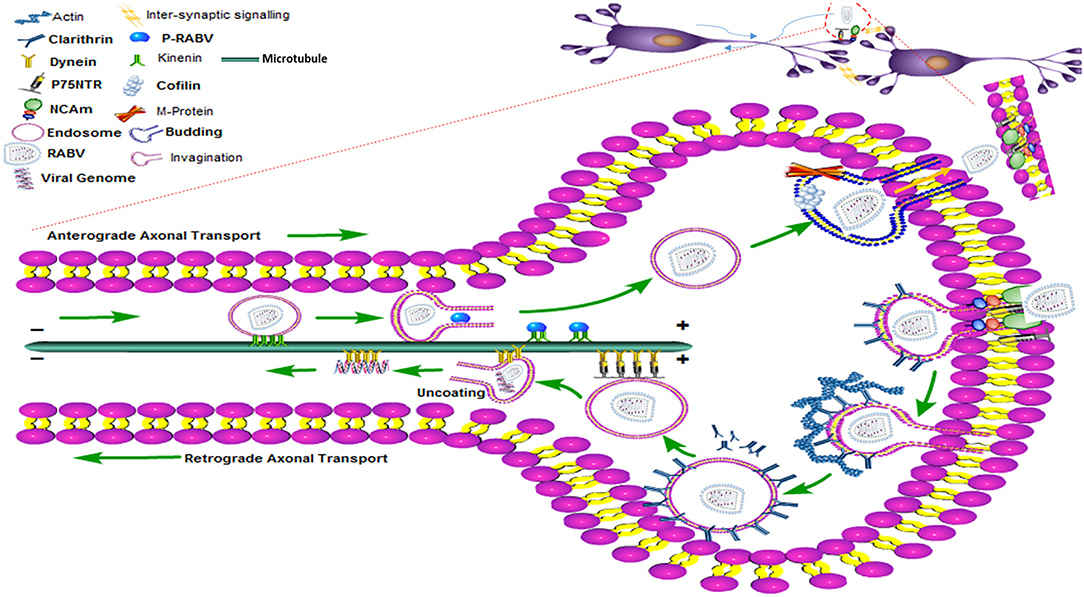 Figure 2. Lectin-Mediated Endocytosis and Transport Pathways of RABV within Neurons
(Source: Liu X, et al. 2022)
Despite causing host death, RABV infection does not result in widespread neuronal damage. This contrasts with other neurotropic viruses, such as alpha herpesviruses. RABV's selective infection of neurons, lack of significant cytopathic effects, and prolonged incubation period make its transmission within the host highly efficient. These characteristics have sparked research interest in understanding how RABV can be lethal without causing obvious neuronal death.
According to a molecular process, RABV binds to host cell receptors via its glycoprotein, which causes endocytosis. The viral genome is then released into the cell when the viral and endosomal membranes merge. Under the watchful eye of the host immune system, this procedure enables the virus to persist and multiply. In the later stages of infection, RABV's polymerase shifts to a replication mode to produce full-length positive-sense RNA copies, subsequently synthesizing new negative-sense RNA genomes that are packaged with N protein to form new viral particles, which are ultimately released through budding from the cell membrane.
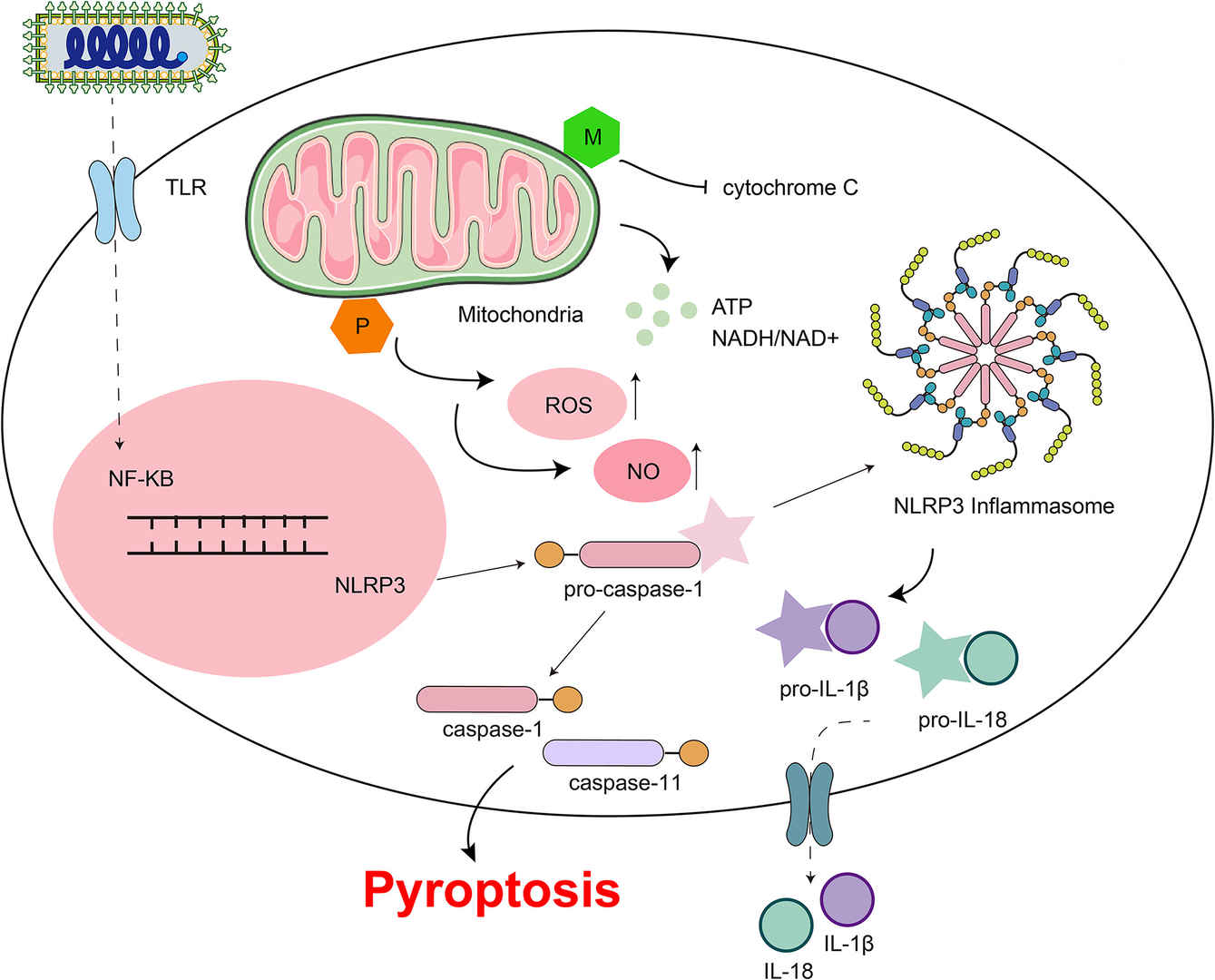 Figure 3. Inflammatory Response and Mitochondrial Dysfunction Induced by RABV Infection
(Source: Zhang H, et al. 2022)
To protect high-risk populations, such as veterinarians and animal handlers, countries all around the world have implemented rabies immunization programs. Rabies vaccinations and rabies immune globulin are examples of prompt post-exposure prophylaxis (PEP) measures that can effectively prevent the virus's spread and infection.
Rabies outbreaks still happen all over the world, especially in underdeveloped nations, despite the fact that the prevalence of the disease has considerably decreased due to the widespread availability of rabies vaccines. In order to prevent and manage the spread of rabies, public health authorities' efforts—such as vaccinating animals, increasing public awareness, and setting up efficient monitoring and response mechanisms—remain vital.
To conclude, Rabies virus is a highly lethal virus with a complex and highly specific infection mechanism. RABV employs advanced biological mechanisms to successfully bypass the human immune system and proliferate quickly, posing considerable public health risks. However, current research into RABV yields new insights and approaches for rabies prevention, treatment, and control. Public attention and scientific preventive measures will be critical to limiting the spread of rabies.
We appreciate the efforts you and your group have done to improve RABV control techniques even more. To help you with your study, Creative Diagnostics offers a variety of excellent RABV antigens, antibodies, and ELISA kits. Please visit our website and add these products to your cart to ensure that they arrive safely and on time at your laboratory. Please contact our expert sales staff if you require assistance or are still unsure.
References
| Target | Cat. No. | Product Name | Size | Species Reactivity | Application | Detection Sample | |
| Rabies Virus | DEIA1027 | Human Rabies Virus antibody IgG ELISA Kit | 96T | Human | Quantitative | serum, plasma | Inquiry |
| DEIAHRVPY28 | Human Anti-RVG IgG ELISA Kit | 96T | Human | Quantitative | Serum, plasma | Inquiry | |
| DEIA-NS2310-2 | Human Rabies Virus Antibody (IgG) ELISA Kit | 96T | Human | Quantitative | serum and plasma | Inquiry | |
| DEIA-RV2310-6 | Rabbit Anti-Rabies Virus IgM ELISA kit | 96T | Rabbit | Quantitative | Rabbit serum | Inquiry | |
| DEIA-RV2310-7 | Monkey Anti-Rabies IgG ELISA Kit | 96T | Monkey | Quantitative | Serum, plasma or other biological fluids | Inquiry | |
| DEIA-RV2310-9 | Rabbit Anti-Rabies Virus IgG ELISA Kit | 96T | Rabbit | Quantitative | Rabbit serum | Inquiry | |
| DEIA-RV2310-14 | G. Pig Anti-Rabies Virus IgG ELISA Kit | 96T | Guinea pig | Quantitative | serum or plasma | Inquiry | |
| DEIA-RV2310-15 | Rabies Virus Vaccine ELISA Kit | 96T | N/A | Quantitative | vaccines formulated in Aluminum hydroxide or Alum gel | Inquiry | |
| DEIA-RV2310-17 | Human Anti-Rabies NP IgG ELISA Kit | 96T | Human | Quantitative | Serum/Plasma/Biological Samples | Inquiry | |
| DEIA-RV2310-18 | Mouse Anti-Rabies NP IgG ELISA Kit | 96T | Mouse | Quantitative | Serum/Plasma/Biological Samples | Inquiry | |
| DEIA-RV2310-19 | Rabbit Anti-Rabies NP IgG ELISA Kit | 96T | Rabbit | Quantitative | Serum/Plasma/Biological Samples | Inquiry |
| Target | Cat. No. | Product Name | Expression System | Tag/Conjugate | Application | |
| Rabies Virus | DAGC695 | Native RABV Antigen | Human diploid cells | KLH | Immunogen, WB, ELISA | Inquiry |
| DAGF-021 | Recombinant Rabies virus Glycoprotein (aa 20-458)[His] | E. coli | KLH | WB, Standard, ELISA, Immunogen | Inquiry | |
| DAG-WT2200 | Recombinant RABV Glycoprotein [His] | Mammalian cells | KLH | Immunoassays | Inquiry |
Loading ......
