
Inquiry Basket
 Loading ......
Toxoplasma gondii (T. gondii) is a globally distributed obligate intracellular parasitic protozoan that infects approximately one-third of the world's population. The infection forms of T. gondii are diverse, including acute infection, latent infection, and chronic infection. Latent infection usually occurs when the host's immune system controls the acute infection, leading the T. gondii to enter tissues and form cysts, maintaining a dormant state and resulting in latent infection. Chronic infection occurs when the immune function of the host is compromised, causing reactivation of the latent T. gondii and leading to exacerbation of the disease. Persistent infection of T. gondii is a current research hotspot due to its close association with various immune responses, neurological diseases, and systemic diseases.
When oocysts or cysts from the organism are consumed by humans, the pathogenic phase of T. gondii starts. Within the host, these oocysts and cysts release sporozoites or tachyzoites that quickly infiltrate the intestinal epithelial cells or other tissues. The parasites multiply inside the host cells until the host cells lyse and release new parasites, which spread throughout different tissues. T. gondii can infect nearly every nucleated cell, including those in the muscles, brain, and eyes, and can thereby remain dormant in its host for a considerable amount of time.
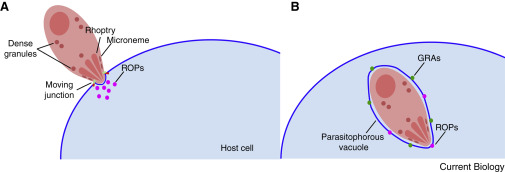 Figure 1. Toxoplasma gondii Invasion of Host Cells
(Source: Kochanowsky JA, et al. 2018)
During the acute infection phase, the host immune system activates a variety of defense mechanisms, including both innate and adaptive immunological responses. By destroying the parasites and phagocytosing them, macrophages, neutrophils, and natural killer (NK) cells within the host regulate the infection. Meanwhile, IgM and IgG antibodies produced by B cells, as well as T cell-mediated cytotoxic responses, are critical in attacking T. gondii. But T. gondii may elude the host's immune system and attain long-term latency thanks to its potent immune evasion strategies, like the formation of tissue cysts.
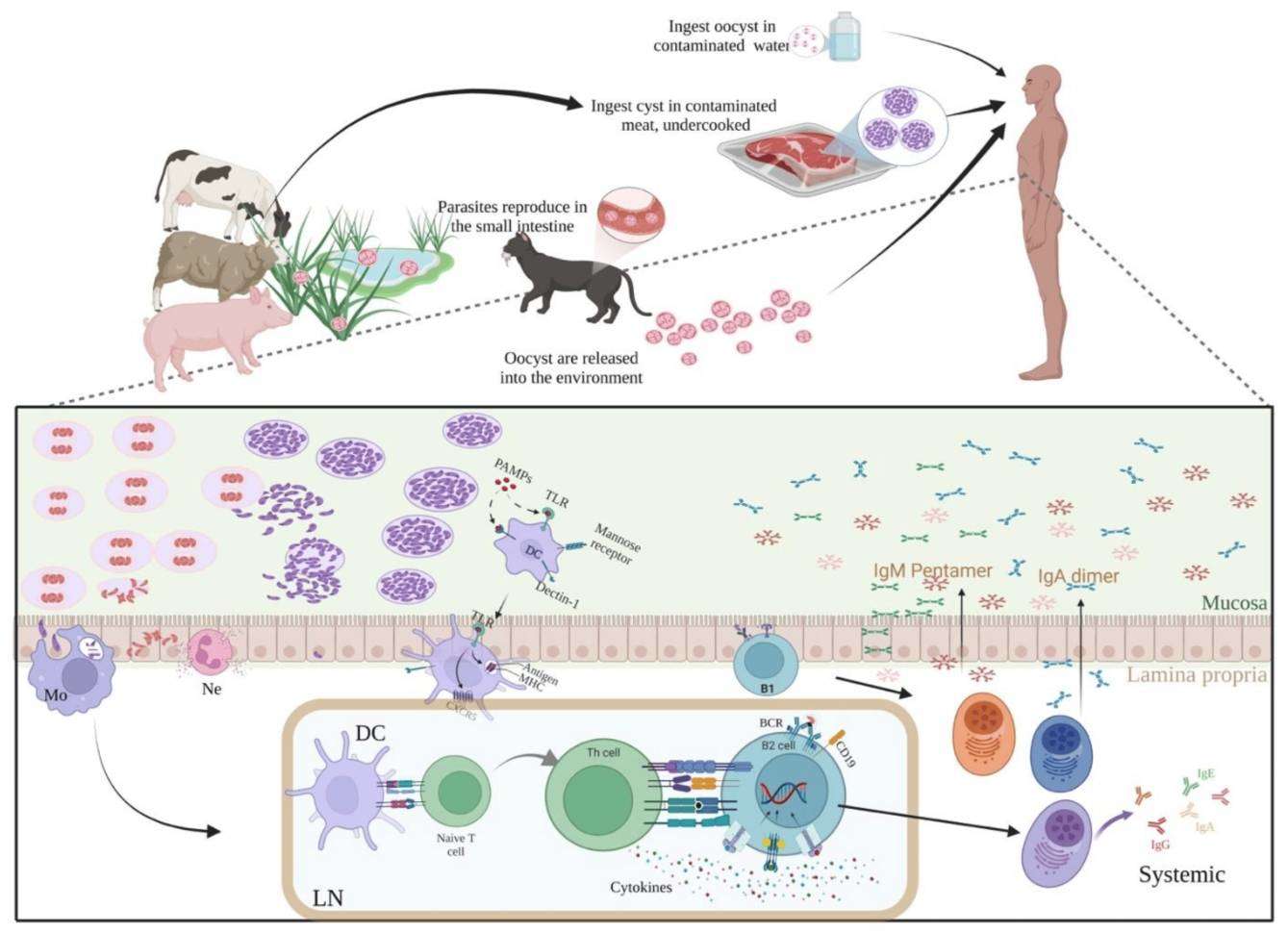 Figure 2. Immune Response to Toxoplasma gondii
(Source: Vargas-Villavicencio JA, et al. 2022)
IgM and IgG antibody levels alter in specific ways during infection. IgM antibodies are often produced in the early stages of an acute infection, rapidly increasing and peaking within a few weeks. As the infection proceeds to the chronic stage, IgM levels gradually decrease, eventually becoming undetectable within a few months. However, in some cases of T. gondii infection, IgM antibodies can still be detected months or even years later, albeit at lower levels, indicating the pathogen's persistence or continuing stimulation of the host's immune system. On the other hand, IgG antibodies are generated during the first few weeks of infection and remain elevated during a prolonged illness, signifying the host's enduring immune reaction and the pathogen's memory. As a result, in chronic T. gondii infection, the existence of high IgG antibody levels is a significant signal of chronic infection, while low IgM antibody levels may indicate persistent pathogen presence or reactivation.
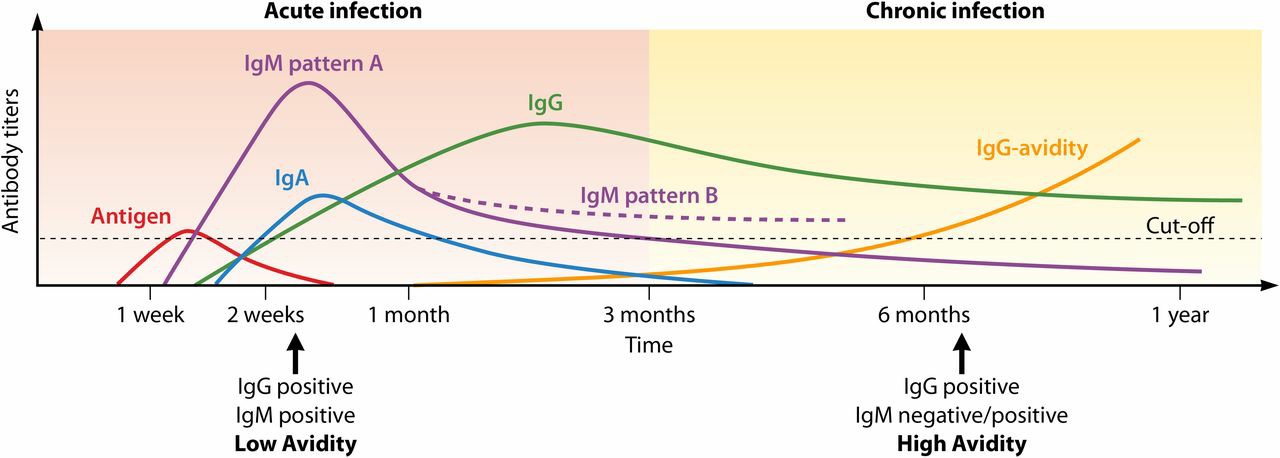 Figure 3. Relative Changes in IgM, IgG, and IgG Affinity Over Time After Primary Infection. IgM Pattern A: Typical IgM Response Pattern, IgM Pattern B: Long-term IgM Persistence
(Source: Teimouri AM, et al. 2020)
Following the acute infection, T. gondii produces tissue cysts, primarily in the brain, eyes, heart, and muscle tissues, and goes into a latent state. This latent infection usually has a benign course in people with normal immune function, with no noticeable clinical signs. However, in immunosuppressive settings, such as in AIDS patients or organ transplant recipients receiving immunosuppressive medication, dormant T. gondii can reactivate, resulting in severe clinical symptoms. Latent infection occurs when tachyzoites change into bradyzoites, which develop cysts in host tissues. The cyst wall resists the host's immunological attacks. This process is regulated by the host's immune response, with IFN-γ playing a crucial role in this process. IFN-γ can activate host macrophages to produce anti-parasitic effector molecules, thereby restricting the proliferation of the parasite. However, T. gondii employs a series of immune regulatory mechanisms to suppress the host's immune response, ultimately forming stable cysts and maintaining long-term latent infection.
Latent infection of T. gondii is associated with various neurological disorders, including schizophrenia, bipolar disorder, and epilepsy. Studies have suggested that persistent infection with T. gondii may affect the host's central nervous system function through chronic inflammation and neuroimmune responses. Additionally, latent infection with T. gondii has been linked to certain autoimmune diseases, such as multiple sclerosis and rheumatoid arthritis. In research applications, latent infection models of T. gondii are widely used to study host-pathogen interactions, immune evasion mechanisms, and the formation and maintenance mechanisms of latent infection. These studies not only help to reveal the pathological mechanisms of T. gondii but also provide a theoretical basis for the development of new therapeutic strategies against T. gondii.
Chronic infection usually happens when the host's immune system is repressed or compromised, resulting in the reactivation of latent T. gondii cysts, the release of tachyzoites, tissue destruction, and illness aggravation. Chronic infection requires the rupture of parasite cysts and the re-proliferation of tachyzoites, which can cause severe neurological symptoms in the host, including encephalitis, seizures, and cognitive impairment. Chronic infection is closely linked to dysfunction of the host immune system. In immunosuppressive settings, such as advanced AIDS patients or those undergoing immunosuppressive therapy, the host's immune system fails to effectively control T. gondii multiplication, resulting in parasite reactivation and disease progression. At this point, the host's immune response may not only fail to eliminate the parasite but may further increase tissue damage, such as inflammation-induced damage to nerve tissue.
Chronic T. gondii infection can cause severe central nervous system illnesses such as toxoplasmic encephalitis, which can be deadly, especially in HIV-infected patients. Chronic infection has also been linked to specific cardiovascular, muscular, and ophthalmic problems. In research applications, chronic T. gondii infection models are used to examine parasite reactivation mechanisms, host immunological modulation, and the development of anti-T. gondii treatment methods. Scientists hope to identify efficient treatment methods for T. gondii-related chronic disorders by researching the processes of chronic infection recurrence and progression.
To summarize, chronic T. gondii infection is a complex pathological process that involves a variety of mechanisms, including host immunological responses, parasite immune evasion, and pathogen reactivation. Although persistent T. gondii infection seldom causes severe disease in most immunocompetent people, in immunocompromised people, latent T. gondii can reactivate, resulting in devastating clinical signs. Future research should focus on T. gondii's immune evasion mechanisms as well as chronic infection control strategies to develop effective treatment and prevention measures that reduce the risk of persistent T. gondii infection to public health. Creative Diagnostics offers a wide range of high-quality T. gondii research equipment, including antigens, antibodies, and assay kits, to assure the accuracy of your experiments. Please see the product page for further details.
References
| Target | Cat. No. | Product Name | Size | Species | Application | Detection Sample | |
| T. gondii | DEIA10772 | Human Toxoplasma Gondii IgG ELISA Kit | 96T | Human | Quantitative | Human Serum or Plasma (citrate, heparin) | Inquiry |
| DEIA009 | Human Anti-Toxoplasma Gondii IgG Antibody, Anti-TOXO IgG ELISA Kit | 96T | Human | Qualitative | serum | Inquiry | |
| DEIA010 | Human Anti-Toxoplasma Gondii IgM Antibody, Anti-TOXO IgM ELISA Kit | 96T | Human | Qualitative | serum | Inquiry | |
| DEIA379 | Toxoplasma gondii IgG ELISA Kit | 96T | Human | Quantitative | serum, plasma | Inquiry | |
| DEIA380 | Toxoplasma gondii IgM ELISA Kit | 96T | Human | Quantitative | serum, plasma | Inquiry | |
| DEIA1797 | Toxoplasma gondii IgG ELISA Kit | 96T | Human | Quantitative | serum | Inquiry | |
| DEIA1798 | Toxoplasma gondii IgM ELISA Kit | 96T | Human | Quantitative | serum, plasma | Inquiry | |
| DEIA1839 | Toxoplasma gondii IgA Antibody ELISA Kit | 96T | Human | Quantitative | Serum | Inquiry | |
| DEIA2276 | Toxoplasma IgG ELISA Kit | 96T | Quantitative | serum, plasma, urine, aqueous humor, culture supernatants, other sample matrices | Inquiry | ||
| DEIA2277 | Toxoplasma IgM ELISA Kit | 96T | Quantitative | aqueous humor, tear samples, plasma, serum, whole blood, CSF | Inquiry | ||
| DEIA1028 | Toxoplasma Gondii IgM ELISA Kit | 96T | Human | Qualitative | serum, plasma | Inquiry | |
| DEIA1038 | Toxoplasma Gondii IgM ELISA Kit | 96T | Human | Qualitative | serum, plasma | Inquiry | |
| DEIA1039 | Toxoplasma Gondii IgG ELISA Kit | 96T | Human | Qualitative | serum, plasma | Inquiry | |
| DEIA1078 | Toxoplasma gondii IgG ELISA Kit | 96T | Human | Qualitative | serum | Inquiry | |
| DEIA8988 | Toxoplasma IgM Capture ELISA Kit | 96T | Human | Qualitative | serum | Inquiry | |
| DEIANS034 | Toxoplasma gondii IgM ELISA Kit | 96T | Human | Quantitative | serum | Inquiry |
Loading ......
