PAH-Targeted Small Molecule Drug Signaling Pathway Modulators
PAH-Targeted Small Molecule Drug Signaling Pathway Modulators
Overview
Introduction
As a deadly cardiopulmonary condition pulmonary arterial hypertension (PAH) presents elevated pulmonary artery pressure and vascular remodeling which manifests through complicated disease mechanisms. Even with treatment improvements mortality rates stay elevated which demands further investigation into molecular mechanisms and therapeutic breakthroughs. The article combines existing research on PAH pathophysiology with an analysis of dysregulated signaling pathways and evaluates new therapeutic approaches that target these molecular abnormalities.
Core Pathological Mechanisms of PAH
PAH progression depends on interconnected pathways that include vascular dysfunction and genetic predispositions as well as metabolic reprogramming.
Figure 1. Pulmonary arterial hypertension (PAH) is the result of complex interplay between multiple pathways and environmental and genetic stressors. (Sources: Shah AJ, et al. 2023)
1. Vascular Remodeling and Endothelial Dysfunction
Pathological vascular remodeling serves as the central pathological process in PAH.
Pulmonary artery tightening results from irregular contraction patterns in smooth muscle cells (SMCs).
Medial hypertrophy combined with neointimal hyperplasia results in the blocking of the vascular lumen.
Fibroblast activation, contributing to perivascular fibrosis.
The dysfunction of endothelial cells worsens these pathological changes since it affects nitric oxide (NO) and prostacyclin (PGI2) synthesis but increases endothelin-1 (ET-1) secretion resulting in a vascular environment that favors constriction and proliferation.
2. Genetic Drivers
Mutations of BMPR2 lead to 30–50% of idiopathic PAH cases by disrupting BMP signaling which results in smooth muscle cell proliferation.
Genetic mutations in ACVRL1, ENG, and SMAD4 disrupt TGF-β signaling which establishes a connection between genetic abnormalities and vascular disease.
3. Signaling Pathway Crosstalk
PAH involves dysregulation of key pathways:
NO-cGMP-PKG Axis
ET-1 Overactivation
Rho/ROCK Pathway
Notch Signaling
4. Inflammation and Metabolic Dysregulation
Chronic inflammation together with mitochondrial dysfunction and oxidative stress lead to ongoing vascular damage. Smooth muscle cells expand actively because metabolic changes trigger increased glycolysis and TCA cycle activity.
Approved Therapies: Targeting Molecular Pathways
Current PAH therapies aim to restore vascular homeostasis through distinct mechanisms:
1. PDE5 Inhibitors
Sildenafil/Tadalafil: Block cGMP degradation, amplifying NO-driven vasodilation via PKG activation. These agents improve exercise capacity and hemodynamics.
2. Endothelin Receptor Antagonists (ERAs)
Bosentan/Macitentan: Dual ETA/ETB blockers reduce vasoconstriction and fibrosis. Ambrisentan selectively inhibits ETA, minimizing liver toxicity.
3. Soluble Guanylate Cyclase (sGC) Stimulators
Riociguat: The sGC activator Riociguat functions without NO involvement to elevate cGMP levels and reduce vascular resistance.
4. Prostacyclin Analogues
Epoprostenol/Selexipag: Prostacyclin analogues attach to IP receptors which produce vasodilation and platelet aggregation inhibition while preventing vascular remodeling through cAMP/PKA signaling.
Emerging Therapies: Novel Targets and Innovations
The latest scientific progress targets both the reversal of vascular structural changes and the fulfillment of existing clinical requirements.
1. TGF-β/BMP Pathway Modulators
Sotatercept: Phase III trials show that an activin receptor type IIA ligand trap which restores BMPR2 signaling reduces pulmonary vascular resistance.
FK506 (Tacrolimus): The drug FK506 (Tacrolimus) boosts BMPR2 expression which demonstrates potential in preclinical studies.
Multi-Omics Profiling to identify biomarkers for tailored treatments.
Combination Strategies targeting complementary pathways (e.g., NO + BMP modulation).
Repurposing Drugs like metformin, which ameliorates mitochondrial dysfunction.
Conclusion
PAH development emerges from intricate interactions between genetic mutations and disruptions in molecular and metabolic functions. Existing therapies treat symptoms utilizing NO, ET-1, and prostacyclin pathways yet emerging pharmaceuticals which target TGF-β, PDGF, and ferroptosis pathways show potential to change disease progression. The transformation of PAH into a treatable chronic condition depends on closing translational research gaps and using novel delivery methods.
Prostacyclin analogs: Short half-life (epoprostenol requires continuous IV infusion) and side effects (flushing, jaw pain).
Emerging solutions:
Riociguat (sGC stimulator): Works independently of NO, offering benefits in NO-deficient patients.
Inhaled formulations: Treprostinil administered via inhalation reduces systemic side effects.
Combination therapies: Dual ERAs + PDE5 inhibitors show synergistic effects in clinical trials.
02What breakthroughs in drug delivery systems could transform PAH treatment?
Advanced drug delivery systems strive to boost medication effectiveness while reducing harmful side effects.
Inhaled nanoparticles: The use of imatinib-loaded polymeric nanoparticles increases delivery efficiency to the lungs while lowering PDGF-associated systemic adverse effects.
Sustained-release implants: Treprostinil subcutaneous devices facilitate monthly treatment which leads to better patient compliance.
CRISPR-Cas9 carriers: Gene-editing tools to target BMPR2 mutations are delivered through lipid nanoparticles in preclinical research.
Exosome-based delivery: Exosomes engineered to carry miR-204 regenerate potassium channel function which resolves smooth muscle cell hypercontractility.
Future prospects:
Organs-on-chip: Personalized drug testing uses microfluidic systems that replicate PAH vasculature.
AI-driven drug design: Machine learning technology enables the identification of dual-action inhibitors targeting multiple enzymes like ROCK and HDAC.
References
Shah AJ, et al. New Drugs and Therapies in Pulmonary Arterial Hypertension. Int J Mol Sci. 2023, 24(6):5850.
Jasińska-Stroschein M, Glajzner P. Searching for Old and New Small-Molecule Protein Kinase Inhibitors as Effective Treatments in Pulmonary Hypertension-A Systematic Review. Int J Mol Sci. 2024, 25(23):12858.


 Loading ......
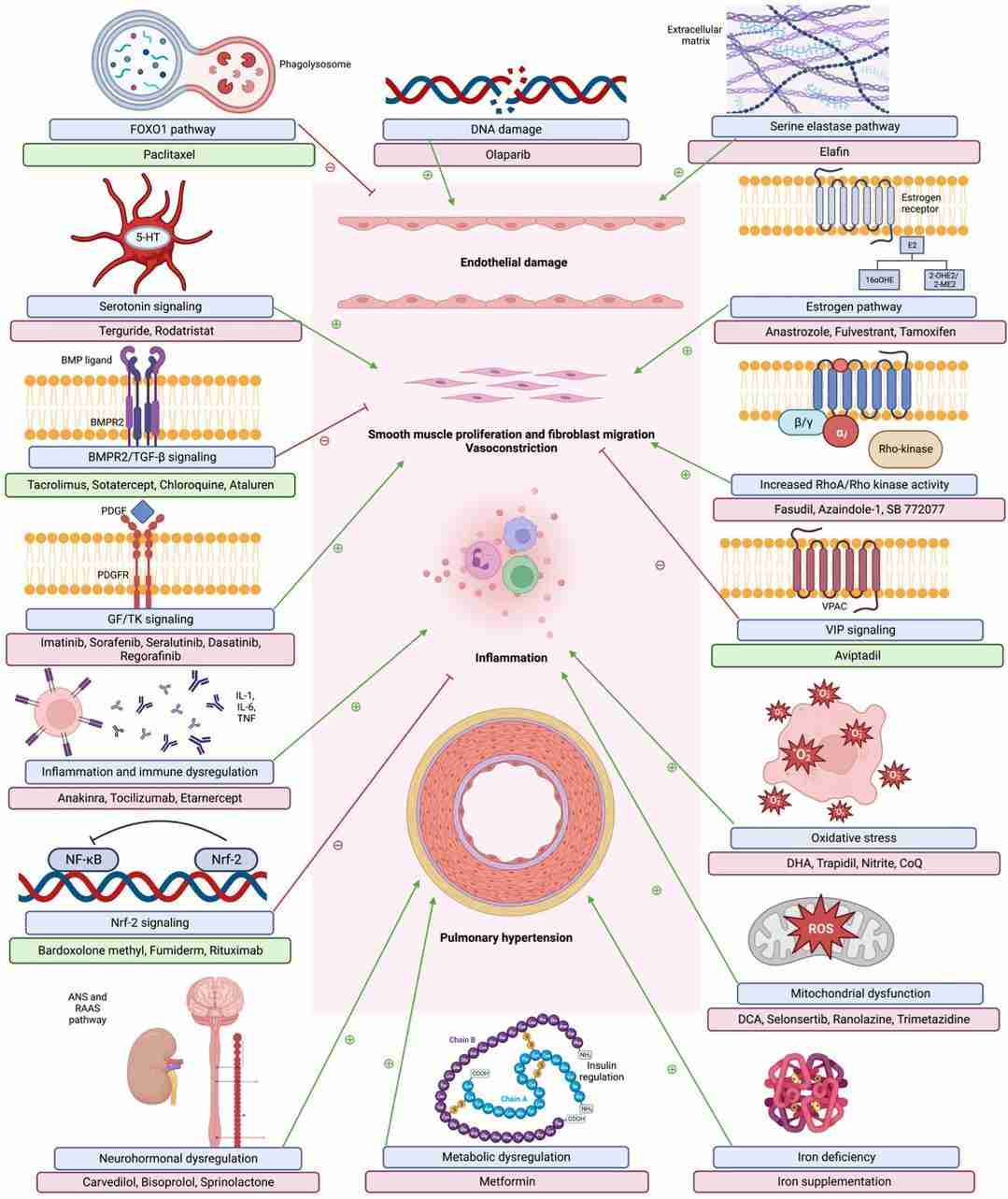 Figure 1. Pulmonary arterial hypertension (PAH) is the result of complex interplay between multiple pathways and environmental and genetic stressors. (Sources: Shah AJ, et al. 2023)