

Inquiry Basket
 Loading ......
Therapeutic drug monitoring (TDM) is generally defined as the clinical laboratory measurement of a chemical parameter that, with appropriate medical interpretation, will directly influence drug prescribing procedures. Otherwise, TDM refers to the individualization of drug dosage by maintaining plasma or blood drug concentrations within a targeted therapeutic range or window.
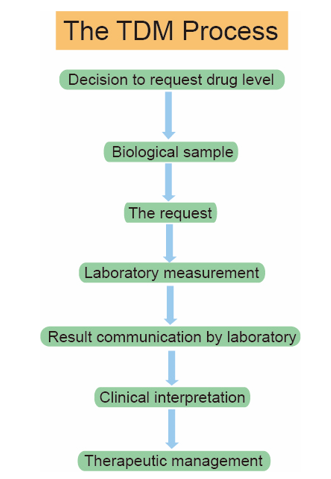
Figure 1. The process of therapeutic drug monitoring.
Performing TDM requires a multidisciplinary approach. The process assumes that there is a definable relationship between dose and plasma or plasma drugs concentration and between concentration and therapeutic effect. TDM begins with the first prescription of a drug and involves determining an initial dosage regimen appropriate for the clinical condition and patient characteristics such as age, weight, organ function, and concomitant medication. Factors that need to be considered when interpreting concentration measurements include sampling times associated with drug dose, dose history, patient response, and desired drug goals. The amount of certain prescription drugs in the blood is a serious health problem for both patients and health care workers. By detecting the concentration of the drug in the patient's blood, the doctor can monitor and adjust the prescribed dose to help ensure the safety and effectiveness of the drug. In addition, doctors can also guide drug use by detecting the amount of drug in the urine.

Historically, drug testing laboratories developed their assay procedures using a variety of analytical methods ranging from radioimmunoassay to high-performance liquid chromatography (HPLC) procedures. Currently however, the vast majority of drug assays performed in the clinical setting are some variant of commercially available immune-binding assay procedures. The most commonly used procedures are fluorescence polarization immunoassay (FPIA), enzyme immunoassay (eg. MEIA), and enzyme-linked immunosorbent assay (ELISA).
Blood testing is the older of methods and typically involves a preliminary screening test using enzyme-linked immunosorbent assay (ELISA) technology that combines the specificity of the antibody with the enzyme or antigen and the enzyme that is readily assayed. The sensitivity of a simple enzyme assay performed in conjunction. This makes it possible to detect very low levels of drugs in solutions such as whole blood, serum, urine and tissues. The results of ELISA assays were confirmed and quantified by gas chromatography/mass spectrometry (GC/MS), and their unique drug separation chromatography and mass spectrometry were used for identification and quantification, which is considered as the gold standard for drug detection. The biggest benefit of blood tests is that it has a small margin of error. In addition, the level of drug found in a person's blood sample is directly related to the current dose in his or her body. Therefore, reports found at the level of quantification can be used to accurately calculate the current drug dose in the body.
The drug can be filtered through the blood in just a few hours, even if the patient follows the blood monitoring program, it can lead to negative results. For these reasons, urine drug testing is the doctor's favorite choice. Screening for a variety of different substances using immunoassays or ELISA, including alcohol, amphetamine, barbital, benzodiazepine, cannabinoids, cocaine, fentanyl, methadone, opioids, benzocycline and propoxyphene. Although a urine test is not as effective as a blood test, it can determine whether a drug is present in the body system.
Therefore, clinical treatment requires the monitoring kits to guide the use of these drugs. Creative Diagnostics provides highly sensitive and cost-effective therapeutic drug conjugates and antibodies for multiple applications. We also offer customized services, which can asset customers to achieve their immunoassay development.
Drugs with unpredictable PK/PD relationship: The dose of drug producing sub therapeutic response in one patient, yield toxic effect in another patient. The PD indices include plasma lipid level, blood glucose, blood pressure, plasma clotting time etc. which provides relationship between dose and plasma or blood drug concentration and pharmacodynamics effects. There is also wide inter patient variability in PK parameters, such as absorption, distribution, metabolism and excretion. There are differences in PK and PD of most drugs between adults and children. In children, sampling volume is limited. Therefore, highly sensitive analytical methods are required for the drug sample measurements.
Drugs which are toxic or ineffective: The therapeutic drug used for monitoring could be either toxic or ineffective that can render the patient in a great risk. Buprenorphine, for instance, is an opioid used to treat opioid addiction, acute pain, and chronic pain. Buprenorphine treatment carries the risk of causing psychological or physical dependence. Therefore, Buprenorphine need to be quantitated in blood or urine to monitor use or abuse, confirm a diagnosis of poisoning, or assist in a medicolegal investigation.
Table 1. Common Small Molecule drugs that need to be monitored
| NAPA | Digoxin | Amikacin | Phenytoin |
| Methotrexate | Gentamicin | Quinidine | Tobramycin |
| Phenobarbital | Salicylic Acid | Theophylline | Valproic Acid |
| Acetaminophen | Carbamazepine | Mycophenolic Acid | Procainamide |
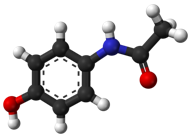
Acetaminophe also be known as paracetamol (APAP). It is a widely used over-the-counter pain reliever and antipyretic. It can be used to relieve mild to moderate pain. Although it is safe to take acetaminophen at the recommended dosage, it may still cause side effects such as severe rash. Overdose is also a risk factor and this can lead to hepatic failure if left untreated. To date, the mechanism of action of acetaminophen has not been fully understood. The main mechanism of action should be the inhibition of cyclooxygenase, and recent studies have found it to be more selective for cyclooxygenase-2(an enzyme responsible for inflammation and pain). Therefore, acetaminophen may have a similar function to non-steroidal anti-inflammatory drugs (NSAIDs).

Amikacin is a broad-spectrum semi-synthetic aminoglycoside antibiotic, derived from kanamycin with antimicrobial property. Amikacin irreversibly binds to the bacterial 30S ribosomal subunit, specifically locking 16S rRNA and S12 protein within the 30S subunit. This leads to interference with translational initiation complex and Misreading of mRNA, whereby hampering protein synthesis and resulting in bactericidal effect. Like other aminoglycoside antibiotics, amikacin can cause hearing loss, balance problems and kidney problems. Other side effects include paralysis, which can result in an inability to breathe. If used during pregnancy, it may cause permanent deafness in the baby.

Carbamazepine is an anti-epileptic drug used in the treatment of seizures which may also prove effective in the long-term treatment of manic-depressive illnesses. Carbamazepine is a sodium channel blocker. It preferentially binds to the inactive conformation of the voltage-gated sodium channel, which prevents repetition and sustained excitation of the action potential. Carbamazepine has an effect on the serotonin system, but its relevance to its antiepileptic effect is uncertain. There is evidence that it is a serotonin release agent and may even be a serotonin reuptake inhibitor. The side effects of in conditioned carbamazepine dosage can include breathing difficulties, seizures and drowsiness. Serious side effects may include rash, decreased bone marrow function, suicidal thoughts or confusion.

Digoxin is a cardiovascular drug used to treat heart conditions such as arrhythmias and heart failure. Digoxin toxicity can be associated with a number of health problems such as changes in heart rate and rhythm, gastrointestinal problems and fatigue.
The main mechanism of action of digoxin is the inhibition of sodium-potassium adenosine triphosphatase in the myocardium. This inhibition results in an increase in intracellular sodium levels and a decrease in the activity of the sodium-calcium exchanger, which typically introduces three extracellular sodium ions into the cells and delivers one intracellular calcium ion out of the cells. The reversal of the exchanger results in an increase in the intracellular calcium concentration available to the contractile protein. The increase in intracellular calcium prolongs the 4th and 0th phases of cardiac action potential, resulting in a decrease in heart rate. At the same time, increased Ca2+ also leads to an increase in the storage of calcium in the sarcoplasmic reticulum, resulting in a corresponding increase in calcium release during each action potential. This leads to an increase in the contractility of the heart without increasing the energy expenditure of the heart.

Gentamicin is an antibiotic drug used to treat a wide range of bacterial infections. Within the therapeutic range, most individuals will respond well to gentamicin treatment and will not experience any side effects. However, the most common complications associated with gentamicin toxicity are ear and hearing problems as well as kidney damage.
Gentamicin is a bactericidal antibiotic that acts by binding to the 30S subunit of bacterial ribosomes and has a negative impact on protein synthesis. The primary mechanism of action is generally thought to play a role in eliminating the ability of ribosomes to distinguish between correctly transferred RNA and messenger RNA interactions. Typically, if the erroneous tRNA is paired with the mRNA codon at the aminoacyl site of the ribosome, the adenosine is excluded and recycled, indicating that the ribosome rejects the aminoacylated tRNA. However, when gentamicin binds to the helix of 16S rRNA, it will force adenosine to maintain their position when there is a correct or homologous match between aa-tRNA and mRNA. This results in incorrect aa-tRNA entering the polypeptide chain, resulting in ribosomes synthesizing proteins containing the wrong amino acids (approximately one in every 500). Mistranslational proteins misfold and aggregate, eventually leading to bacterial death.

Methotrexate is a chemotherapy drug and immune system inhibitor. It is used to treat cancer, autoimmune diseases, ectopic pregnancy and medical abortion. Common side effects include nausea, feeling tired, fever, increased risk of infection, low white blood cell count, and broken skin in the mouth. Other side effects may include liver disease, lung disease, lymphoma and severe rash. In the clinic, methotrexate is used in the treatment of cancer and rheumatoid arthritis. For cancer, methotrexate competitively inhibits dihydrofolate reductase (DHFR), an enzyme involved in the synthesis of tetrahydrofolate. DHFR catalyzes the conversion of dihydrofolate to active tetrahydrofolate. Studies find folic acid is essential for the biosynthesis of purines and pyrimidine bases, so folate synthesis is blocked and nucleoside synthesis is inhibited. For the treatment of rheumatoid arthritis, inhibition of DHFR is not considered to be the primary mechanism, but appears to involve multiple mechanisms, including inhibition of enzymes involved in purine metabolism, leading to accumulation of adenosine; inhibition of T cell activation and inhibition of intercellular Adhesion molecules express T cells; selectively down-regulate B cells; increase CD95 sensitivity of activated T cells; and inhibition of methyltransferase activity, resulting in inactivation of enzyme activity associated with immune system function.

Mycophenolic Acid Mycophenolic Acid is an immunosuppressant used to prevent drug rejection in organ transplants. Mycophenolic acid is an active metabolite of the prodrug mycophenolate mofetil. Mycophenolic acid inhibits inosine monophosphate dehydrogenase (IMPDH), preventing the formation of guanosine monophosphateand synthesis of lymphocyte DNA that results in inhibition of lymphocyte proliferation, antibody production, cellular adhesion, and migration of T and B lymphocytes. In clinical, mycophenolate mofetil is increasingly used as a steroid-retaining treatment for autoimmune diseases and immune-mediated diseases, including Behçet disease, vulgaris Pemphigus, refractory incomplete systemic lupus erythematosus, immunoglobulin nephropathy, small vessel vasculitis and psoriasis.
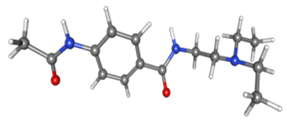
N-Acetylprocainamide (NAPA) is the N-acetylated metabolite of procainamide. Acecainide is a potassium channel blocker similar to a class III antiarrhythmic drug. This compound binds to the potassium channel and delays phase 3 repolarization. These electrophysiological changes reduce the sensitivity of the cells to electrical stimulation, which leads to an increase in the duration of the action potential and an increase in the effective refractory period. By increasing the effective refractory period, NAPA is very useful in suppressing tachyarrhythmias caused by reentry ventricular arrhythmias. Clinical studies have found that acecainide can cause cardiotoxicity and affect torsades de pointes of ventricular tachycardia. Acecainide can reduce renal function when accumulated during procainamide treatment. Furthermore, when acetamide is present in toxic concentrations, it can result in hypotension, severe left ventricular inhibition, gastrointestinal disorders, insomnia, dizziness, dizziness, blurred vision, numbness and tingling.

Phenobarbital is used to treat all types of seizures. It is as effective in controlling seizures as phenytoin, but phenobarbital is not well tolerated. Phenobarbital may have clinical advantages over carbamazepine in the treatment of partial seizures. It's very long half-life (53-118 hours) means that it is not necessary to take a daily dose for the patient. Studies have found that phenobarbital increases the flux of chloride ions into neurons through the action of GABA A receptors, which reduces the excitability of postsynaptic neurons. By making depolarization of neurons more difficult and the threshold of action potentials of postsynaptic neurons will increase. Sedation and hypnosis are the main side effects of phenobarbital. In addition, phenobarbital also has an effect on the central nervous system, which can cause side effects such as dizziness, nystagmus and ataxia. In elderly patients, it can cause excitement and confusion, and in children, it can lead to contradictory ADHD.
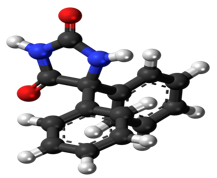
Phenytoin is an anti-epileptic drug used for the control of generalised seizures by slowing down impulses in the brain; however incorrect doses can prove toxic. The effects of incorrect phenytoin treatment can include insomnia, nausea, confusion and fatigue.
Phenytoin is believed to prevent seizures by causing voltage-dependent voltage-gated sodium channel blockade. This prevents continuous high frequency repeated excitation of the action potential. This is achieved by increasing steady-state deactivation to reduce the magnitude of the sodium-dependent action potential. The sodium channel exists in three main conformations: quiescent, open, and inactive. Phenytoin preferentially binds to the inactive form of the sodium channel. Because the time required for the bound drug to separate from the inactive channel, there is a time-dependent blockage of the channel. Due to the depolarization by membrane and the increase in the fraction of inactive channels by repeated firing, the binding of phenytoin to the inactive state can produce a voltage-dependent, use-dependent and time-dependent sodium-dependent action potential blockade.

Procainamide is an oral antiarrhythmic agent that has been in wide use for more than 60 years. Procainamide induces rapid blockade of the sodium channel of batrachotoxin (BTX) in the heart muscle and acts as an antagonist of long-gated closures. Long term procainamide therapy is known to induce hypersensitivity reactions, autoantibody formation and a lupus-like syndrome but is a rare cause of clinically apparent acute liver injury.

Uinidine is a natural cinchona alkaloid which has potent antiarrhythmic activity and has been used for decades in the treatment of atrial and ventricular arrhythmias. This is a stereoisomer of quinine, originally from the bark of the cinchona tree. The drug causes an increase in the duration of the action potential and an increase in the QT interval. Quinidine has been associated with fever, mild jaundice and clinically apparent liver injury in up to 2% of treated patients. Like all other class I antiarrhythmic drugs, quinidine acts primarily by blocking the rapid inward sodium current. The effect of quinidine on sodium current is called "use-dependent blockade." This means that at higher heart rates, blockade increases, while at lower heart rates, blockade decreases. The blocking of rapid inward sodium current results in a decrease in phase 0 depolarization of the cardiac action potential.

Salicylic acid is a colorless, crystalline organic carboxylic acid. It is a lipophilic monohydroxybenzoic acid, a phenolic acid and a beta hydroxy acid (BHA). This colorless crystalline organic acid is widely used in organic synthesis and as a plant hormone. It is derived from the metabolism of salicin. In addition to as an important active metabolite of aspirin (acetylsalicylic acid), it acts as a precursor to salicylic acid, which is best known as a key component of topical anti-acne products. Salicylic acid is toxic if ingested in large quantities, but in small quantities is used as a food preservative and antiseptic in toothpaste. It is also the key additive in many skin-care products for the treatment of acne, psoriasis, callouses, corns, keratosis Pilaris and warts.
The mechanism of action of salicylic acid mainly includes: salicylic acid can reduce the formation of proinflammatory prostaglandins by regulating the expression of COX2 gene. Furthermore, salicylic acid can competitively inhibit the oxidation of uridine-5-diphosphate glucose (UDPG) with nicotinamide adenosine dinucleotide (NAD). Interestingly, it also competitively inhibits the transfer of glucuronyl groups of uridine-5-phosphate glucuronic acid (UDPGA) to phenolic receptors.
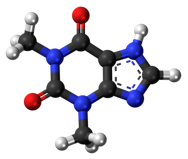
Theophylline is used to stimulate muscles in the cardiovascular, respiratory, and central nervous systems. It is a bronchodilator commonly used to treat asthma and other airway diseases. Studies find that Theophylline inhibits TGF-β-mediated transformation of lung fibroblasts into myofibroblasts in COPD and asthma through the cAMP-PKA pathway and inhibits the encoding of COL1 mRNA. In addition, it has been shown that theophylline can reverse steroid insensitivity in COPD patients and asthmatic patients by a distinct mechanism of isolation. The side effects of incorrect therphylline dosage can include increased heart rate, central nervous system effects and seizures.

Tobramycin is an aminoglycoside antibiotic from Streptomyces faecalis that is used to treat various types of bacterial infections, particularly Gram-negative infections. Among them, it is particularly effective against Pseudomonas species. Similar to other aminoglycosides, tobramycin is ototoxic: it can cause hearing loss or loss of balance. It is worth noting that the ototoxicity it induces is usually irreversible. In addition, like all aminoglycosides, tobramycin is also nephrotoxic, which can damage kidney tissue. This toxic effect can be particularly worrying when multiple doses accumulate during treatment or when the kidneys concentrate urine by increasing tubular reabsorption during sleep.

Valproic acid is a drug mainly used to treat epilepsy and bipolar disorder as well as to prevent migraine. It can be used to prevent seizures. Common side effects include nausea, vomiting, lethargy, and dry mouth. Serious side effects may include liver problems, increased pancreatitis and increased risk of suicide. In addition, it is known that this drug causes severe abnormalities in the baby during pregnancy.
Although the mechanism of action of valproic acid is not fully understood, its anticonvulsant effect has traditionally been attributed to the blockade of voltage-gated sodium channels and the increase in gamma-aminobutyric acid (GABA) brain levels. In animals, sodium valproate inhibits the GABA-reducing enzymes such as GABA transaminase and succinate-semialdehyde dehydrogenase, and inhibits the reuptake of GABA by neuronal cells, thereby increasing brain and cerebellum inhibition of synaptic neurotransmitter the level of GABA.

Vancomycin is a broad spectrum antibiotic that has activity against methicillin-resistant strains of Staphylococcus aureus and is generally reserved for serious drug resistant gram-positive infections. Common side effects include pain and allergic reactions in the injection area. Occasionally, hearing loss, hypotension or myelosuppression may occur. The safety during pregnancy is unclear, but no evidence of injury has been found and may be safe for use during breastfeeding.
Vancomycin acts by inhibiting proper cell wall synthesis in Gram-positive bacteria. Due to the different mechanisms of cell wall production by Gram-negative bacteria and various factors associated with entry into the outer membrane of Gram-negative organisms, vancomycin is inactive against them (except for some non-gonococcal species of Neisseria). The large hydrophilic molecule is capable of forming a hydrogen bond interaction with the terminal D-alanyl-D-alanine moiety of the NAM / NAG-peptide. Under normal circumstances, this is a five-point interaction. The combination of vancomycin and D-Ala-D-Ala prevents the cell wall from synthesizing long polymers of N-acetylmuramic acid (NAM) and N-acetylglucosamine (NAG), forming the backbone of the bacterial cell wall and preventing skeletal polymerization.
Related Products
| Drug Function | Drug | Cat. No. | Product Name |
| Antiepileptic | Eslicarbazepine Acetate | DAG-WZ001A | Eslicarbazepine Acetate [BSA] |
| Lacosamide | DAG-WZ004A | Lacosamide [BSA] | |
| Lamotrigine | DAG-WZ005A | Lamotrigine [BSA] | |
| Oxcarbazepine | DAG-WZ007A | Oxcarbazepine [BSA] | |
| Rufinamide | DAG-WZ010A | Rufinamide [BSA] | |
| Tiagabine | DAG-WZ011A | Tiagabine [BSA] | |
| Carbamazepine | DAG-WZ3100O DAG1166 DAGA-347B DAGA-347K DMABT-54912MC DMAB3100 CABT-L2305 DPAB27690 |
Carbamazepine [OVA] Carbamazepine [HRP] Carbamazepine [BSA] Carbamazepine [KLH] Anti-Carbamazepine monoclonal antibody, clone DB2 Anti-Carbamazepine monoclonal antibody, clone C3213M Anti-Carbamazepine monoclonal antibody, clone H42345N Sheep Anti-Carbamazepine polyclonal antibody | |
| Clonazepam | DAG-WZ102O DAG2976 DAGA-080H DAGA-098K HMABPY102 DPAB-WZ0011 |
Clonazepam [OVA] Clonazepam [BSA] Clonazepam [HRP] Clonazepam [KLH] RHA™ anti-Clonazepam monoclonal antibody, clone CZP Sheep Anti-Clonazepam polyclonal antibody | |
| Phenytoin | DAG-WZ4036O DAGA-356B DAGA-356H DAGA-356K DMAB4063 DMAB4065 DMABT-54917MP DMABT-54918MP DMABT-Z60355 DMABT-Z60465 DMABT-Z60466 DPATB-H82984 DPATB-H83000 DPABY-948 |
Phenytoin [OVA] Phenytoin [BSA] Phenytoin [HRP] Phenytoin [KLH] Anti-Phenytoin monoclonal antibody, clone A303 Anti-Phenytoin monoclonal antibody, clone A305 Anti-Phenytoin monoclonal antibody, clone QIZ2 Anti-Phenytoin monoclonal antibody, clone QIZ3 Anti-Phenytoin monoclonal antibody, clone3R3J4 Anti-Phenytoin monoclonal antibody, clone 35-404.3 Anti-Phenytoin monoclonal antibody, clone 37-602.3 Rabbit Anti-Phenytoin polyclonal antibody Duck Anti-Phenytoin polyclonal antibody Sheep Anti-Phenytoin polyclonal antibody | |
| Valproic Acid | DAG-WZ4990O DAGA-361K DAG3422 DADA-361H DMAB4490 DMAB4491 DMAB4494 DAPTB-H83262 |
Valproic acid [OVA] Valproic acid [KLH] Valproic acid [BSA] Valproic acid [HRP] Anti-VPA monoclonal antibody, clone A802 Anti-VPA monoclonal antibody, clone A803 Anti-VPA monoclonal antibody, clone A804 Anti-VPA monoclonal antibody, clone A805 Anti-VPA monoclonal antibody, clone A806 Rabbit Anti-VPA polyclonal antibody Rat Anti-VPA polyclonal antibody | |
| Analgesics | Acetaminophen | DAG-WZ3071O DAG2957 DAGA-218K DAGA-218H DMAB-WZ0001 DPBT-68240SA |
Acetaminophen [OVA] Acetaminophen [BSA] Acetaminophen [KLH] Acetaminophen [HRP] Anti-Acetaminophen monoclonal antibody Sheep Anti-Acetaminophen polyclonal antibody |
| Acetyl Salicylic Acid | DAG-WZ3990O DAG3275 DAGA-219K DMAB-WZ0002 DPAB-DC3947 DPAB3990 |
Acetyl Salicylic Acid [OVA] Acetyl Salicylic Acid [BSA] Acetyl Salicylic Acid [KLH] Anti-Acetyl Salicylic Acid monoclonal antibody Rat Anti-Acetyl Salicylic Acid polyclonal antibody Rabbit Anti-Acetyl Salicylic Acid polyclonal antibody | |
| Morphine | DAGA-303B DAG1243 DMAB3925 DMAB3926 DMAB3927 DMABT-54866MM DMAB7248 DMABT-Z60416 DCABY-626 DCABY-4769 DCABY-4770 DCABY-4771 CABT-L1964 DPBT-68280SM DPATB-H83407 DPATB-H83005 |
Morphine [OVA] Morphine [BSA] Morphine [KLH] Morphine [BTG] Morphine [HRP] Anti-Morphine monoclonal antibody, clone CDI264 Anti-Morphine monoclonal antibody, clone CDI298 Anti-Morphine monoclonal antibody, clone CDI919 Anti-Morphine monoclonal antibody, clone 005-20045 Anti-Morphine monoclonal antibody, clone C2811N Anti-Morphine monoclonal antibody, clone DFK375 Anti-Morphine monoclonal antibody, clone NP4B3 Anti-Morphine monoclonal antibody, clone N2800Nps2 Anti-Morphine monoclonal antibody, clone N2800Nps4 Anti-Morphine monoclonal antibody, cloneN2800Nps3 Anti-Morphine monoclonal antibody, clone C2679N Sheep Anti-Morphine (C-terminal) polyclonal antibody Rabbit Anti-Morphine polyclonal antibody Goat Anti-Morphine polyclonal antibody | |
| Antineoplastic | Busulfan | DAG-WZ3219A DAG-WZ3219H DAG-WZ3219O CABT-L3219 DPAB-WZ0013 |
Busulfan [BSA] Busulfan [HRP] Busulfan [OVA] Anti-Busulfan monoclonal antibody, clone 414 Sheep Anti-Busulfan polyclonal antibody |
| Methotrexate | DAG-WZ3635O DAGB319 DAGA-351B DAGA-351K DMAB-WZ0004 DPABY-912 DPATB-H81809 |
Methotrexate [OVA] Methotrexate [HRP] Methotrexate [BSA] Methotrexate [KLH] Anti-Methotrexate monoclonal antibody Sheep Anti-Methotrexate polyclonal antibody Goat Anti-Methotrexate polyclonal antibody | |
| Cardiac Agent | Digoxin | DAG-WZ60352O DAG3043 DAG3044 DMABT-Z60352 DMABT-Z60491 CABT-L2334 DPBT-68263SD DPATB-H83095 DPATB-H83405 DPATB-H82992 |
Digoxin [OVA] Digoxin [BSA] Digoxin [HRP] Anti-Digoxin monoclonal antibody, clone 37R3E20 Anti-Digoxin monoclonal antibody, clone FK-34 Anti-Digoxin monoclonal antibody, clone 214 Sheep Anti-Digoxin polyclonal antibody Duck Anti-Digoxin polyclonal antibody Rabbit Anti-Digoxin polyclonal antibody MagicTM Anti-Digoxin polyclonal antibody |
| Amiodarone | DAG-WZ015A | Amiodarone [BSA] | |
| Flecainide | DAG-WZ016A | Flecainide [BSA] | |
| Lidocaine | DAG-WZ60468O DAG1215 DAGA-286B DAGA-286K DMABT-Z60468 DPATB-H82894 |
Lidocaine [OVA] Lidocaine [HRP] Lidocaine [BSA] Lidocaine [KLH] Anti-Lidocaine monoclonal antibody, clone 23-334.6 Sheep Anti-Lidocaine polyclonal antibody | |
| Immuno- suppressive Agents | Ciclosporin | DAG-WZ017A | Ciclosporin [BSA] |
| Sirolimus | DAG-WZ018A | Sirolimus [BSA] | |
| Mycophenolic Acid | DAG-WZ3638O DAGA-352B DAGB317 DAGA-352K DMAB-WZ0003 DPABY-919 |
Mycophenolic Acid [OVA] Mycophenolic Acid [BSA] Mycophenolic Acid [HRP] Mycophenolic Acid [KLH] Anti-Mycophenolic Acid monoclonal antibody Sheep Anti-Mycophenolic Acid polyclonal antibody | |
| Tacrolimus | DAG-WZ4350O DAGB304 DMAB4350 DPAB-DC4807 |
Tacrolimus [OVA] Tacrolimus [HRP] Anti-FK-506 monoclonal antibody, clone C247M Sheep Anti-Tacrolimus polyclonal antibody | |
| Psychoactive Agents | Clozapine | DAG-WZ019A | Clozapine [BSA] |
| Fluoxetine | DAG-WZ020A | Fluoxetine [BSA] | |
| Amitriptyline | DAG-WZ59178 DAG1019 DAGA-224B DAGA-224K DMABT-Z59177 DMABT-Z59178 DMABT-Z59179 DPABY-794 |
Amitriptyline [OVA] Amitriptyline [HRP] Amitriptyline [BSA] Amitriptyline [KLH] Anti-Amitriptyline monoclonal antibody, clone 304 Anti-Amitriptyline monoclonal antibody, clone 23-320.3 Anti-Amitriptyline monoclonal antibody, clone 9.H.20 Sheep Anti-Amitriptyline polyclonal antibody | |
| Haloperidol | DAG-WZ8647O DAG1164 DAGA-271B DAGA-271K DMAB8647 DPAB27791 DPABY-053 |
Haloperidol [OVA] Haloperidol [HRP] Haloperidol [BSA] Haloperidol [KLH] Anti-Haloperidol monoclonal antibody, clone G58U58 Sheep Anti-Haloperidol polyclonal antibody Rabbit Anti-Haloperidol polyclonal antibody | |
| Analeptic | Theophylline | DAG-WZ4380O DAG426 DAG3030 DAGA-360K DMAB4380 DMAB2217 DMAB4381 DPAB27989 DPBT-68291RT |
Theophylline [OVA] Theophylline [BSA] Theophylline [HRP] Theophylline [KLH] Anti-Theophylline monoclonal antibody, clone C874M Anti-Theophylline monoclonal antibody, clone A057-14003 Anti-Theophylline monoclonal antibody, clone A202 Sheep Anti-Theophylline polyclonal antibody Rabbit Anti-Theophylline polyclonal antibody |
| Caffeine | DAG-WZ3079O DAG2971 DAG2972 DAG2973 DMAB3079 DMAB6135 DMABT-Z59342 CABT-B9001 DPAB-WZ0012 |
Caffeine [OVA] Caffeine [BSA] Caffeine [HRP] Caffeine [HSA] Anti-Caffeine monoclonal antibody, clone A9402 Anti-Caffeine monoclonal antibody, clone N94129 Anti-Caffeine monoclonal antibody, clone H3-R4D3I3 Anti-Caffeine monoclonal antibody, clone IN576 Sheep Anti-Caffeine polyclonal antibody | |
| Addiction Therapeutics | Buprenorphine | DAG-WZ3069O DAGF-179 DAGF-180 DAG419 DMAB3069 DMAB7623 DCABY-4687 DPAB27686 |
Buprenorphine [OVA] Buprenorphine [BSA] Buprenorphine [BTG] Buprenorphine [KLH] Buprenorphine [HRP] Anti-Buprenorphine monoclonal antibody, clone C2702N Anti-Buprenorphine monoclonal antibody, cloneD54H56 Anti-Buprenorphine monoclonal antibody, cloneN2800Cv2 Sheep Anti-Buprenorphine polyclonal antibody |
| Methadone | DAG-WZ3910O DAG1229 DAG3000 DAGA-296K DCABY-4756 DCABY-4757 DMAB3910 DMABT-54862MM DMABT-54863MM DMAB7677 DPABY-903 |
Methadone [OVA] Methadone [HRP] Methadone [BSA] Methadone [KLH] Anti-Methadone monoclonal antibody, clone N2800Ne2 Anti-Methadone monoclonal antibody, clone N2800Ne3 Anti-Methadone monoclonal antibody, clone C2791N Anti-Methadone monoclonal antibody, clone NE2 Anti-Methadone monoclonal antibody, clone Nfu 3B8 Anti-Methadone monoclonal antibody, clone D62H64 Sheep Anti-MTD polyclonal antibody | |
| Antiretroviral | Amantadine | DAGA-031B DAGA-034K DAGA-027H HMABPY034 |
Amantadine [BSA] Amantadine [KLH] Amantadine [HRP] RHA™ anti-Amantadine monoclonal antibody |
| Ribavirin | DAGA-030B DAGA-026H DAGA-033K HMABPY033 |
Ribavirin [BSA] Ribavirin [HRP] Ribavirin [KLH] RHA™ anti-Ribavirin monoclonal antibody, clone RBV | |
| Antibiotics | Amikacin | DAG-P2530 DAG1018 CABT-L2530 DCABY-630 DPABY-792 |
Amikacin [BSA] Amikacin [HRP] Anti-Amikacin monoclonal antibody, clone AMK Anti-Amikacin monoclonal antibody, clone BN2 Sheep Anti-Amikacin polyclonal antibody |
| Gentamicin | DAG4468 DAGA-043K DAGA-032H DMAB3403 DMAB3404 DMAB6614 DMAB6615 DMAB6616 DMABT-54913MG DMABT-54914MG HMABPY043 DPBT-68266SG |
Gentamicin [BSA] Gentamicin [KLH] Gentamicin [HRP] Anti-Gentamicin monoclonal antibody, clone A104 Anti-Gentamicin monoclonal antibody, clone A103 Anti-Gentamicin monoclonal antibody, clone H5-10 Anti-Gentamicin monoclonal antibody, clone H11-18 Anti-Gentamicin monoclonal antibody, clone H17-33 Anti-Gentamicin monoclonal antibody, clone HF2 Anti-Gentamicin monoclonal antibody, clone HF3 RHA™ anti-Gentamicin monoclonal antibody, clone GM Sheep Anti-Gentamicin polyclonal antibody | |
| Tobramycin | DAG3141 DAG1317 DAGA-213K DAG3141O DMAB4404 DPABY-999 DPATB-H82199 |
Tobramycin [BSA] Tobramycin [HRP] Tobramycin [KLH] Tobramycin [OVA] Anti-Tobramycin monoclonal antibody, clone A128-10053 Sheep Anti-Tobramycin polyclonal antibody Goat Anti-Tobramycin polyclonal antibody | |
| Vancomycin | DAG3035 DAGA-053K DAG3036 DMABT-54924MV HMABPY054 DMABT-Z60038 CABT-LH054 DPBT-68294RV |
Vancomycin [BSA] Vancomycin [KLH] Vancomycin [HRP] Anti-Vancomycin monoclonal antibody, clone WBO2 RHA™ anti-Vancomycin monoclonal antibody, clone VM Anti-Vancomycin monoclonal antibody, clone 4H22 Anti-Vancomycin monoclonal antibody, clone 30 Sheep Anti-Vancomycin polyclonal antibody Rabbit Anti-Vancomycin polyclonal antibody | |
| Antifungals | Natamycin | DAGA-052B DAGA-057K DAGA-041H HMABPY058 |
Natamycin [BSA] Natamycin [KLH] Natamycin [HRP] RHA™ anti-Natamycin monoclonal antibody |
Loading ......
