

Inquiry Basket
 Loading ......
AMP activated protein kinase (AMPK) functions as a serine/threonine protein kinase. Research reveals that the elevated AMP/AT levels which influence intracellular metabolism trigger AMPK activation resulting in ATP production enhancement and consumption reduction. AMPK stands out as an important research target for developing pharmacological treatments for diabetes, obesity and cancer. Drug development against metabolic diseases stands as a primary goal for scientists who develop small molecule drugs that activate AMPK.
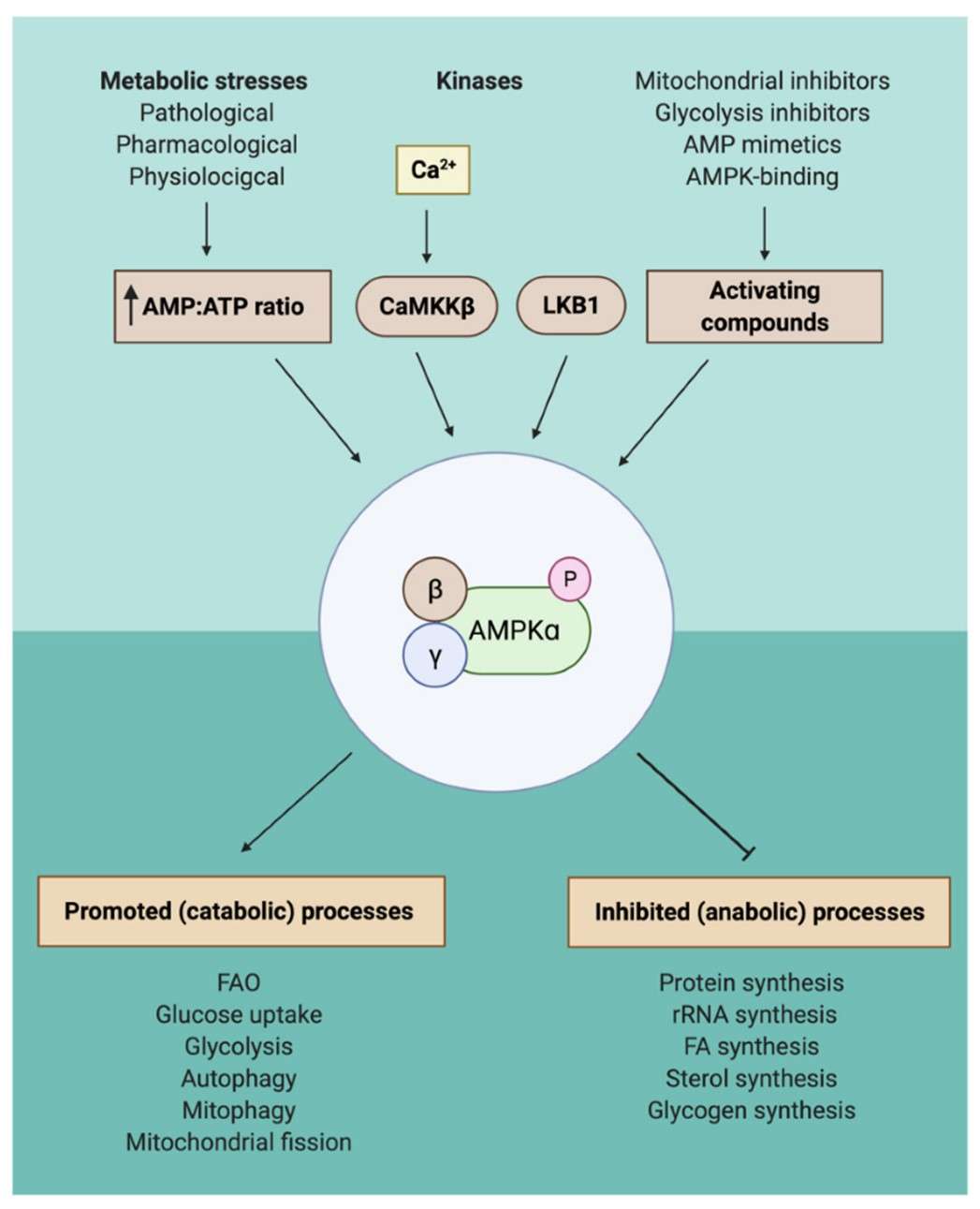 Figure 1. Functional mechanism of upstream regulation of AMPK. (Sources: van der Vaart JI, et al. 2021)
Metabolic syndrome represents a disease condition defined by several concurrent metabolic irregularities. Research shows that this disease heightens cardiovascular disease and type 2 diabetes risks while severe cases elevate mortality risk. Central obesity together with hypertension, hyperglycemia or impaired glucose tolerance and dyslipidemia define this disease.
Previous research findings indicate AMPK serves a vital function in controlling both cellular energy metabolism and the growth and proliferation of cells.
AMPK activation enhances glucose uptake and fatty acid oxidation but reduces glycogen synthesis and cholesterol production. AMPK activation moves GLUT4 to the muscle cell membrane which improves glucose uptake and usage. AMPK inhibits essential liver enzymes like acetyl-CoA carboxylase which reduces their activity. AMPK decreases fatty acid and cholesterol production by suppressing the functions of important enzymes which leads to lowered lipid synthesis.
The AMPK enzyme limits cell growth and division through inhibition of the mTOR signaling route. The mTOR protein functions as the primary regulator for both cellular growth and metabolic processes. AMPK phosphorylates upstream regulators like tuberous sclerosis complex 2 (TSC2) to disrupt mTOR signaling. The AMPK enzyme controls cell cycle proteins which cause a G1 phase stop and decrease in cell growth.
AMPK functions as the principal controller of cellular energy stability through its adjustment of metabolic pathways based on AMP/ATP ratio shifts. Through phosphorylation of ACC and HMG-CoA reductase target enzymes AMPK stimulates fatty acid oxidation while simultaneously boosting glycolytic activity and glucose uptake. AMPK maintains proper energy levels by turning off both lipid and protein synthesis at the same time.
AMPK serves as a key component in the control of metabolic syndrome. AMPK malfunction demonstrates a significant link with metabolic syndrome manifestation. AMPK improves insulin sensitivity by regulating glucose and lipid metabolism which therefore lowers blood sugar and lipid levels demonstrating therapeutic potential against metabolic syndrome. Metformin works by activating AMPK and this activation produces improved metabolic health results in diabetic patients.
AMPK regulates metabolic syndrome development by controlling both autophagy processes and mitochondrial functions while enhancing anti-oxidative stress defenses. AMPK activation leads to enhanced autophagy and mitochondrial biogenesis which strengthens cellular defenses against oxidative stress while concurrently reducing protein synthesis through the inhibition of the mTOR pathway.
| Drug Name | Mechanism of Activation | EC50 | Indications | Clinical Progress | Efficacy in Metabolic Syndrome | Side Effects |
| AICAR (5 - Aminoimidazole - 4 - carboxamide ribonucleoside) | Metabolized to ZMP, directly activates AMPK; simulates AMP/ADP ratio to indirectly activate AMPK | - | Diabetes, acute lung injury, tumor growth inhibition, cardiac ischemia protection | Widely studied for diabetes, but human application is controversial | Improves symptoms of metabolic syndrome and type 2 diabetes caused by high - fat diet | Low bioavailability, poor oral absorption, may cause lactic acidosis at high doses |
| A - 769662 | Induces conformational change by binding to AMPKα subunit | 0.8 μM | Diabetes, cardiomyopathy, anti - inflammatory protection | Widely studied for diabetes and metabolic syndrome, but poor oral absorption limits clinical application | Improves lipid metabolism, protects liver and kidney function, anti - inflammatory and antioxidant | Poor oral absorption, may cause cardiac hypertrophy and metabolic abnormalities at high doses |
| PT1 | Binds to the auto - inhibitory domain of AMPKα subunit to relieve inhibition | 8 μM | Metabolic diseases, tumor treatment | Directly activates AMPKγ1 subunit, but poor in - vivo effect | Improves glucose and lipid metabolism, has potential in anti - diabetes | Long - term safety needs further evaluation, may have adverse effects on the heart at high doses |
| PF - 06409577 | Selectively activates AMPKβ1 isoform | 14 nM | Metabolic diseases, tumor treatment | In research stage, good pharmacokinetic properties | Reduces blood lipid levels, improves NAFLD, little effect on glucose metabolism | Specific side effects not clear, more research needed |
| MK - 3903 | Activates various AMPK complex subtypes | 9 nM | Metabolic diseases, tumor treatment | Specific clinical trial data is limited | Improves lipid metabolism, inhibits liver fatty acid synthesis, reduces insulin resistance, enhances energy metabolism | May have metabolism - related side effects, low oral bioavailability |
| MT47 - 100 | Ligand - dependent AMPK activator with both activation and inhibition effects | 24 nM | Metabolic diseases, tumor treatment | Specific clinical application is unclear | - | Memory loss, anxiety, hair color change, dizziness, etc. |
| C24 | Directly activates AMPKβ subunit | - | Metabolic diseases, tumor treatment | Specific clinical trial data is limited | - | Common: fever, chills, nausea, vomiting; Immediate and early: allergic reactions, breathing and circulatory problems; Late: thrombocytopenia in infants, abnormal liver function |
| ZRT407 | - | 11.7 µM | Diabetes, metabolic diseases | Shows good oral bioavailability, improves glucose tolerance and reduces triglyceride levels | Improves animal glucose and lipid metabolism disorders | Specific side effects not clear |
| Metformin | Indirectly activates AMPK by inhibiting mitochondrial respiratory chain complex 1 | - | Diabetes | First - line oral hypoglycemic drug | Significantly effective in type 2 diabetes patients, positive impact on other metabolic syndrome indicators | May cause lactic acidosis, especially in patients with renal insufficiency |
| Resveratrol | Activates AMPK through SIRT1 - mediated deacetylation | - | Diabetes, anti - aging, cardiovascular diseases | Potential treatment for diabetes and cardiovascular diseases | Improves insulin sensitivity, reduces blood glucose and lipid levels, but effects vary among individuals | Low in - vivo bioavailability, may cause gastrointestinal discomfort |
| Salicylates | Directly activates AMPKβ1 subtype; increases AMP/ATP ratio to activate AMPK | - | Diabetes, cardiovascular diseases | Used in the treatment of diabetes and cardiovascular diseases | Has certain hypoglycemic effect in type 2 diabetes patients | May cause gastrointestinal bleeding and other side effects at high doses |
| Acadesine | Simulates AMP to activate AMPK | - | Diabetes, tumor treatment | Studied for diabetes and tumor treatment | - | - |
AMP - activated protein kinase (AMPK) functions as a serine/threonine protein kinase. AMPK activation occurs whenever the ratio of intracellular AMP to ATP rises. This enzyme controls multiple metabolic pathways following activation. The process generates ATP while simultaneously diminishing ATP use. AMPK boosts glucose uptake and fatty acid oxidation and blocks glycogen synthesis along with fat and cholesterol production.
In addition to its role in energy metabolism regulation AMPK influences other biological pathways including autophagy activation mitochondrial function enhancement and anti - oxidative stress protection. AMPK activation triggers both autophagy processes and mitochondrial biogenesis. The process strengthens cellular resistance against oxidative stress while reducing protein synthesis through mTOR pathway inhibition. The actions described have a direct impact on metabolic syndrome development while supporting energy balance and overall metabolic well-being.
References
Loading ......
