
Inquiry Basket
 Loading ......
Due to their high incidence and treatment difficulties, malignant solid tumors seriously threaten human life and health, and affect economic development and social stability. At this stage, a variety of malignant solid tumors, including bladder cancer (BLCA), prostate cancer (PRAD), breast cancer (BRCA), colon cancer (COAD), and renal cancer (RCC), still require surgery combined with chemotherapy or radiotherapy comprehensive treatment model. Moreover, chemotherapy is still one of the most important treatments for metastatic tumors. Chemotherapy drugs can inhibit the development of malignant solid tumors by inhibiting the mitosis of tumor cells. However, chemotherapy drugs also have inhibitory effects on rapidly proliferating normal cells, such as hair follicles, bone marrow, and gastrointestinal tract cells. In addition, conventional chemotherapy drugs have serious side effects, including cardiotoxicity, bone marrow suppression, etc. Tumor metastasis and resistance to chemotherapy drugs are key reasons for the failure of anti-tumor treatments. Therefore, the search for new antitumor drugs is crucial.
Most patients with malignant solid tumors die from distant metastasis of the tumor. Therefore, preventing and treating metastasis is the most important factor in improving the cure rate. Matrix metalloproteinases (MMPs) are considered to be one of the key factors promoting cancer cell invasion and metastasis. The migration and invasion of many malignant tumors are inseparable from the role of MMPs, such as BRCA, RCC, liver cancer, etc. Therefore, from the 1990s to the early 2000s, matrix metalloproteinase inhibitors (MMPIs) were widely used in anti-tumor research. However, these studies were terminated due to poor efficacy and serious side effects. Doxycycline (DOX), a semisynthetic derivative of the second-generation tetracycline representative of terramycin, was developed and used as a clinical drug. Its toxicity is significantly lower than that of first-generation tetracyclines. DOX has broad-spectrum antibiotic properties and is effective against both Gram-positive and Gram-negative bacterial infections, including many respiratory pathogens. It was originally widely used to treat children with upper respiratory tract infections (URTI).
Because DOX has a significant inhibitory effect on the activity of MMPs, it is considered to have potential as an anti-tumor drug. More importantly, DOX has been reported to have cytotoxic and antiproliferative activities against a variety of solid malignant tumors. Moreover, DOX has good oral absorption and can be almost completely absorbed by the gastrointestinal tract. In addition, DOX also has the ability to cross the blood-brain barrier (BBB). Although doxycycline has potential feasibility as a drug for the treatment of malignant solid tumors, it is of great significance to clinical treatment. This article will summarize the research progress of DOX in various malignant solid tumors, mainly its anti-tumor effects and related mechanisms.
DOX has been widely studied in a variety of malignant solid tumors and has shown good tumor suppressor effects. Here, this article briefly reviews the application of DOX in common clinical solid tumors including breast cancer (BRCA), colorectal cancer (CRC), prostate cancer (PRAD), and melanoma.
In BRCA-related research, DOX mainly inhibits tumor proliferation, migration and invasion by targeting breast cancer stem cells (BCSCs). Studies have shown that DOX can inhibit the proliferation activity of breast cancer cells and BCSCs, and down-regulate the expression of stem cell factors Oct4, Sox2, Nanog and CD44. Thereby reducing the spheroidization efficiency, migration and invasion of BCSCs and the epithelial-mesenchymal transition (EMT) of breast cancer cells. The study found that DOX can act as a mitochondrial inhibitor, effectively targeting BCSCs and significantly reducing the frequency and spheroidization efficiency of aldehyde dehydrogenase-positive (ALDH+) BCSCs in HER2+ and triple-negative breast cancer (TNBC) subtypes. In addition, as an inhibitor of MMPs, DOX is closely related to inhibiting tumor metastasis. In an experimental bone metastasis mouse model of human breast cancer MDA-MB-231 cells, DOX treatment resulted in a 70% reduction in total tumor burden and enhanced bone resorption, indicating that DOX treatment may improve the risk of osteolytic bone metastasis in patients with osteolytic bone metastases. Breast cancer patients at risk of osteolytic bone metastases may benefit. However, some studies believe that DOX combination therapy cannot relieve bone pain symptoms in patients with breast cancer bone metastasis, and bone metastasis markers have not been significantly changed. In studies on the mechanism, studies have confirmed that DOX inhibits the progression of breast cancer by directly targeting protease-activated receptor 1 (PAR-1), and found that miR-17 can reverse the partial inhibition effects of DOX on breast cancer both in vivo and in vitro.
Colorectal cancer (CRC) is the second most common solid malignant tumor in humans. Among them, tumor metastasis is the main cause of death and is considered to be the main challenge in CRC treatment. In this context, studies on human HT29 colorectal cancer cell lines have shown that DOX can inhibit tumor growth and progression through cytotoxic effects on tumor cells, inhibition of MMPs, and induction of apoptosis. At the same time, DOX can also reduce the apoptosis threshold of HT29 cells by targeting mitochondria, thereby promoting the apoptosis of colorectal cancer cells. In addition, studies have found that in CRC, DOX can inhibit tumor progression in combination with other anti-tumor drugs, anti-angiogenic factors and anti-checkpoint blockers. In terms of gene therapy, DOX can regulate the expression of human interleukin 12 (IL-12) gene and achieve high expression of precise target cytokines in CRC. This illustrates the important potential of the DOX-adenoviral vector system in gene therapy of CRC and other malignant tumors.
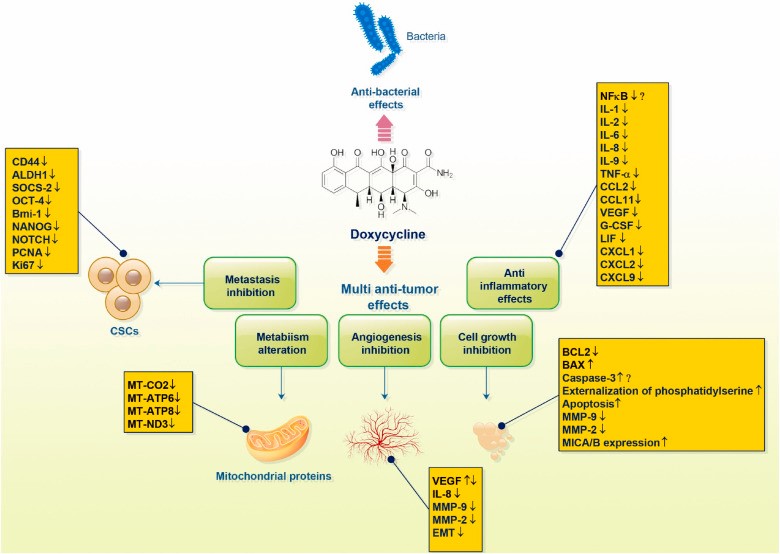 Figure 1. Function of doxycycline in colorectal cancer.(Ghasemi K, et al.; 2022)
PRAD is the most common type of cancer among older men. The study found that an increase in apoptotic cells was confirmed in the human prostate cancer cell line LNCaP treated with DOX, indicating that DOX may have a potential role in the treatment of prostate cancer. DOX combined with doxorubicin can significantly inhibit PC3 cell lines in 2D and 3D culture media, enhance cell apoptosis, and increase cell cycle arrest in the G2/M phase. After combined treatment, RT-PCR and Western blot tests showed down-regulation of Bcl-2 and up-regulation of Bax, indicating that the combination of DOX and doxorubicin has a synergistic effect on PC3 cells and may provide potential new treatments for castration-resistant prostate cancer strategy. Research results show that DOX can inhibit the initiation of NLR family Pyrin domain protein 3 (NLRP3) in PC3 cell lines and alleviate the progression of PRAD by increasing early apoptosis of tumor cells.
Osteosarcoma is a highly aggressive primary bone tumor that mainly affects young and middle-aged people. Studies have shown that DOX blocks extracellular matrix (ECM) and membrane degradation by inhibiting MMPs. Make osteosarcoma cells lose their ability to invade and migrate. In addition, DOX eliminates the secretion of vascular endothelial growth factor (VEGF) and deprives the supply of nutrients through its anti-angiogenic effect. In human osteosarcoma OSA cell lines, DOX intervention can inhibit cell proliferation and MMPs activity, and induce OSA cell apoptosis. Evidence suggests that this well-tolerated oral agent may be effective in the clinical treatment of osteosarcoma.
oral squamous cell carcinoma
Regional lymph node and distant organ metastasis of oral squamous cell carcinoma (OSCC) are closely related to the increased expression of MMPs, and DOX, as an inhibitor of MMPs, has unique advantages in the treatment of OSCC. In in vitro experiments, DOX was found to inhibit the invasion and migration of SCC-15 cell lines by downregulating the expression of MMP-2 and MMP-9. However, in contrast, studies have also shown that DOX-induced expression of exogenous B cell-specific Moloney murine leukemia virus integration site 1 (Bmi-1) enhances tumorigenesis in the OSCC transgenic mouse line KrTBmi-1 model form.
Data demonstrate that functional targeting of transcription factors by DOX reverses EMT and inhibits proliferation and migration of the human small cell lung cancer cell line NCI-H446. Therefore, DOX selectively targets malignant tumors and reduces their metastatic potential while having lower cytotoxicity in lung cancer patients. It is worth noting that small cell lung cancer (SCLC) is a highly aggressive tumor type with poor prognosis. DOX dose-dependently inhibits the proliferation, colony formation, migration and invasion of human SCLCH446 cell line, as well as by upregulating caspase- 3 and bax expression, as well as down-regulating the expression of survivin and bcl-2 to induce apoptosis. These findings support further investigation of DOX's potential as a drug candidate for the treatment of SCLC.
A mouse subcutaneous tumor-bearing model was established by subcutaneous injection of B16 melanoma cell suspension. Study found that the combined treatment of melanoma with DOX and endostatin can affect the formation of three microcirculation patterns: endothelium-dependent blood vessels, mosaic blood vessels and angiogenic mimicry in melanoma, reducing tumor volume and slowing down growth. Notably, DOX also inhibits the expression and phosphorylation of focal adhesion kinase (FAK), a protein tyrosine kinase involved in regulating cell adhesion and migration. DOX is most likely to exert its anti-tumor effect by inhibiting the FAK signaling pathway. These results provide promising prospects for the potential application of DOX in anti-tumor therapy and deserve further study.
Ovarian cancer often has a poor prognosis due to its typical aggressive metastasis and treatment resistance. Studies have shown that DOX not only inhibits the epithelial ovarian cancer cell line SKOV3, but also increases the sensitivity of SKOV3 to cisplatin. The activation of AKT and ERK1/2 signaling pathways regulated by SDF-1α/CXCR4 may be involved in the anti-tumor effect of DOX on SKOV3 cells.
In in vitro experiments on the human pancreatic cancer cell line PANC-1, DOX continuously activated the transcription of p53, p21 and cascade-related genes, while reducing the expression of Bcl-2, Mcl-1 and paclitaxel-induced IL-8. In a mouse xenograft model, DOX treatment inhibited tumor growth by 80%. It shows that DOX exerts anti-pancreatic cancer effects by activating pro-apoptotic genes, inhibiting IL-8 expression and inhibiting anti-apoptotic genes. Pancreatic cancer patient data obtained from TCGA indicate that high PAR1 and FAK protein expression predicts poor patient prognosis. PAR1 can regulate FAK, phosphatidylinositol 3-kinase (PI3K) phosphorylation and EMT in human pancreatic cancer cell lines ASPC-1 and PANC-1. As a PAR1 inhibitor, DOX can effectively inhibit the CSCs-like properties of pancreatic cancer cells and the activation of the FAK/PI3K/AKT pathway.
DOX also reduces biological processes such as proliferation, migration, invasion and EMT of cancer cells from different sources. In cervical cancer, DOX inhibits the proliferation, invasion and differentiation of human cervical cancer cell line HeLa-CSCs in vitro and in vivo, reduces stem cell markers SOX-2, OCT-4, NANOG, NOTCH and BMI-1, and induces cell apoptosis.
Reference
| Target | Cat. No. | Product Name | Expression System | Tag/Conjugate | Application | |
| Doxycycline | DISNJ25 | Doxycycline Standard (97%) | N/A | N/A | ELISA | Inquiry |
| DAG-L2387O | Doxycycline [OVA] | N/A | OVA | ELISA | Inquiry | |
| DAG-WT078 | Doxycycline [BSA] | N/A | BSA | N/A | Inquiry | |
| DAG243S | Doxycycline [HSA] | N/A | HSA | ELISA | Inquiry | |
| DAG435S | Doxycycline [HRP] | N/A | HRP | ELISA | Inquiry | |
| DAG524S | Doxycycline [HSA-Biotin] | N/A | HSA-Biotin | ELISA | Inquiry | |
| MMP-1 | DAG-WT241 | Recombinant Human Matrix Metalloproteinase-1 (MMP-1) [His] | Mammalian cells | His | Immunogen, Calibrator, Standard | Inquiry |
| DAG-P0887 | MMP1 peptide | N/A | Unconjugated | ELISA, WB | Inquiry | |
| DAG-P0889 | MMP1 peptide | N/A | Unconjugated | ELISA, WB | Inquiry | |
| DAG-P0890 | Human MMP1 (full length) | N/A | Unconjugated | WB, SDS-PAGE, ELISA | Inquiry | |
| MMP10 | DAG-P0892 | MMP10 peptide | N/A | Unconjugated | ELISA, WB | Inquiry |
| DAG-P0893 | MMP10 peptide | N/A | Unconjugated | ELISA, WB | Inquiry | |
| MMP11 | DAG-P0894 | MMP11 peptide | N/A | Unconjugated | ELISA, WB | Inquiry |
| MMP12 | DAG-P0824 | MMP12 peptide | N/A | Unconjugated | WB, ELISA | Inquiry |
| DAG-P0826 | MMP12 peptide | N/A | Unconjugated | WB, ELISA | Inquiry | |
| DAG-P0827 | MMP12 peptide | N/A | Unconjugated | WB, ELISA | Inquiry | |
| CDBP1885 | Human MMP12 blocking peptide | N/A | Unconjugated | Apuri, BL, ELISA | Inquiry | |
| MMP13 | DAG-P1792 | MMP13 peptide | N/A | Unconjugated | WB, ELISA | Inquiry |
| MMP14 | DAG-P1743 | Human MMP14 peptide | N/A | Unconjugated | ELISA | Inquiry |
| MMP15 | DAG-P0900 | MMP15 peptide | N/A | Unconjugated | ELISA, WB | Inquiry |
| MMP16 | DAG-P0865 | MMP16 peptide | N/A | Unconjugated | ELISA, WB | Inquiry |
| MMP17 | DAG-P0867 | MMP17 peptide | N/A | Unconjugated | ELISA, WB | Inquiry |
| DAG-P0870 | MMP17 peptide | N/A | Unconjugated | ELISA, WB | Inquiry | |
| MMP19 | DAG-P0902 | MMP19 peptide | N/A | Unconjugated | ELISA, WB | Inquiry |
| MMP2 | DAG-P1794 | MMP2 peptide | N/A | Unconjugated | WB, ELISA | Inquiry |
| MMP20 | DAG-P0811 | MMP20 peptide | N/A | Unconjugated | WB, ELISA | Inquiry |
| MMP21 | DAG-P0813 | MMP21 peptide | N/A | Unconjugated | WB, ELISA | Inquiry |
| DAG-P0911 | MMP21 peptide | N/A | Unconjugated | ELISA, WB | Inquiry | |
| DAG-P0913 | MMP21 peptide | N/A | Unconjugated | ELISA, WB | Inquiry | |
| MMP23B | DAG-P0798 | MMP23B peptide | N/A | Unconjugated | WB, ELISA | Inquiry |
| DAG-P0914 | MMP23B peptide | N/A | Unconjugated | ELISA, WB | Inquiry | |
| MMP24 | DAG-P0800 | MMP24 peptide | N/A | Unconjugated | WB, ELISA | Inquiry |
| DAG-P0801 | MMP24 peptide | N/A | Unconjugated | WB, ELISA | Inquiry | |
| DAG-P0802 | MMP24 peptide | N/A | Unconjugated | WB, ELISA | Inquiry | |
| DAG-P0803 | MMP24 peptide | N/A | Unconjugated | WB, ELISA | Inquiry | |
| MMP25 | DAG-P0917 | MMP25 peptide | N/A | Unconjugated | ELISA, WB | Inquiry |
| MMP26 | DAG-P0919 | MMP26 peptide | N/A | Unconjugated | ELISA, WB | Inquiry |
| MMP27 | DAG-P0922 | MMP27 peptide | N/A | Unconjugated | ELISA, WB | Inquiry |
| DAG-P0923 | MMP27 peptide | N/A | Unconjugated | ELISA, WB | Inquiry | |
| MMP28 | DAG-P0819 | MMP28 peptide | N/A | Unconjugated | WB, ELISA | Inquiry |
| MMP3 | DAG-P0822 | Human MMP3 peptide | N/A | Unconjugated | ELISA | Inquiry |
| DAG-P1716 | Human MMP3 blocking peptide | N/A | Unconjugated | BL | Inquiry | |
| DAG-P1717 | MMP3 blocking peptide | N/A | Unconjugated | BL | Inquiry | |
| DAG-WT101 | Matrix Metalloproteinase 3 Antigen (MMP-3 Ag) | HEK293 | Unconjugated | Control/Calibrators | Inquiry | |
| MMP7 | DAG-P0929 | Human MMP7 peptide | N/A | Unconjugated | ELISA | Inquiry |
| DAG-P0930 | MMP7 peptide | N/A | Unconjugated | ELISA, WB | Inquiry | |
| CDBP1886 | Human MMP7 blocking peptide | N/A | Unconjugated | Apuri, BL, ELISA | Inquiry | |
| MMP8 | DAG-P0788 | MMP8 peptide | N/A | Unconjugated | ELISA | Inquiry |
| DAG-P0789 | Human MMP8 peptide | N/A | Unconjugated | ELISA | Inquiry | |
| MMP9 | DAG-WT722 | Native Mouse MMP-9 Antigen | BHK cells | N/A | WB | Inquiry |
| DAG-T1236 | MMP-9 Antigen | Inquiry | ||||
| DAG-P0933 | Human MMP9 peptide | N/A | Unconjugated | ELISA | Inquiry | |
| DAG-P0934 | MMP9 peptide | N/A | Unconjugated | ELISA, WB | Inquiry | |
| DAG-WT1849 | Recombinant Human MMP9 protein | HEK293 cells | His | ELISA, CLIA, LFIA | Inquiry |
| Target | Cat. No. | Product Name | Size | Species Reactivity | Application | Detection Sample | |
| Doxycycline | DEIARN99048 | Doxycycline ELISA Test Kit | 96T | quantitative | feed, tissue(meat,liver and kidney), milk, serum,plasma and urine | Inquiry | |
| DEIA-XYZ31 | Doxycycline ELISA Kit | 96T | quantitative | Honey, Milk, Urine, Meat | Inquiry | ||
| MMP-1 | DEIA-XY2226 | Human Total MMP1 ELISA Kit | 96T | Quantitative | serum, EDTA plasma, cell culture supernates | Inquiry | |
| DEIA7207 | Human MMP-1(Matrix Metalloproteinase 1) ELISA Kit | 96T | Human | Quantitative | Serum, plasma, tissue homogenates and other biological fluids | Inquiry | |
| DEIA1577 | MMP1 Human ELISA Kit | 96T | Human | Quantitative | cell culture supernatant, urine, serum, plasma | Inquiry | |
| DEIA1578 | MMP1 Human ELISA Kit | 96T | Human | Quantitative | cell culture extracts, tissues extracts | Inquiry | |
| MMP10 | DEIA-XY2227 | Human Total MMP10 ELISA Kit | 96T | Quantitative | serum, EDTA plasma, cell culture supernates | Inquiry | |
| DEIA3939 | Human MMP-10(Matrix Metalloproteinase 10) ELISA Kit | 96T | Human | Quantitative | Serum, plasma, tissue homogenates and other biological fluids | Inquiry | |
| DEIA2932 | Human Pro-MMP-10 ELISA Kit | 96T | Human | Quantitative | cell culture supernatants, serum, plasma | Inquiry | |
| MMP11 | DEIA-XYA1222 | MMP-11 ELISA Kit | 96T | Qualitative | cultured cells | Inquiry | |
| MMP12 | DEIABL660 | Human MMP-12 ELISA Kit | 96T | Quantitative | cell culture supernates, serum, heparin plasma | Inquiry | |
| DEIABL661 | Mouse MMP-12 ELISA Kit | 96T | Quantitative | cell culture supernates, serum, heparin plasma | Inquiry | ||
| MMP-12 | DEIA-BJ70 | Human MMP-12(Macrophage metalloelastase) ELISA Kit | 96T | Human | Quantitative | Serum, plasma, tissue homogenates, other biological fluids | Inquiry |
| MMP13 | DEIA7206 | Human MMP13(Matrix Metalloproteinase 13) ELISA Kit | 96T | Human | Quantitative | Serum, plasma, tissue homogenates and other biological fluids | Inquiry |
| DEIA6145 | MMP-13 ELISA Kit | 96T | Human | Quantitative | serum, plasma, cell culture supernatants, urine | Inquiry | |
| DEIA2811 | Human Pro-MMP-13 ELISA Kit | 96T | Human | Quantitative | cell culture supernatants | Inquiry | |
| mmp13a | DEIA-BJ2195 | Rat Matrix metalloproteinase 13 ELISA Kit | 96T | Quantitative | Serum, plasma, cell culture supernatants, body fluid and tissue homogenate | Inquiry | |
| DEIA-BJ2830 | Porcine Matrix metalloproteinase 13 ELISA Kit | 96T | Quantitative | Serum, plasma, cell culture supernatants, body fluid and tissue homogenate | Inquiry | ||
| DEIA-BJ2678 | Rabbit Matrix metalloproteinase 13 ELISA Kit | 96T | Quantitative | Serum, plasma, cell culture supernatants, body fluid and tissue homogenate | Inquiry | ||
| MMP14 | DEIA-LL274 | Rat MMP14 (Matrix metalloproteinase-14) ELISA Kit | 96T | Rat | Quantitative | Serum, plasma, tissue homogenates and other biological fluids | Inquiry |
| DEIA-XYA1223 | MMP-14 ELISA Kit | 96T | Qualitative | cultured cells | Inquiry | ||
| MMP15 | DEIA-XYA1224 | MMP-15 ELISA Kit | 96T | Qualitative | cultured cells | Inquiry | |
| MMP16 | DEIA-XYA1225 | MMP-16 ELISA Kit | 96T | Qualitative | cultured cells | Inquiry | |
| MMP17 | DEIA-FN913 | Human MMP17 (Matrix metalloproteinase-17) ELISA Kit | 96T | Quantitative | serum, plasma, cell culture supernatants, tissue homogenate | Inquiry | |
| MMP19 | DEIA-XYA1226 | MMP-19 ELISA Kit | 96T | Human, Mouse | Qualitative | Cells | Inquiry |
| MMP2 | DEIA7208 | Human MMP-2(Matrix Metalloproteinase 2) ELISA Kit | 96T | Human | Quantitative | Serum, plasma, tissue homogenates and other biological fluids | Inquiry |
| DEIA9541 | Human MMP-2(Matrix Metalloproteinase 2) ELISA Kit | 96T | Human | Quantitative | Serum, plasma, tissue homogenates and other biological fluids. | Inquiry | |
| DEIA749 | Mouse MMP2 ELISA Kit | 96T | Mouse | Quantitative | serum, plasma, other biological fluids | Inquiry | |
| DEIA750 | Rat MMP2 ELISA Kit | 96T | Rat | Quantitative | serum, plasma, other biological fluids | Inquiry | |
| DIA-XYA181 | MMP-2 ELISA Kit | 96T | Qualitative | cultured cells | Inquiry | ||
| MMP23 | DEIA-XYA1227 | MMP-23 ELISA Kit | 96T | Qualitative | cultured cells | Inquiry | |
| MMP26 | DEIA-FN914 | Human MMP26 (Matrix metalloproteinase-26) ELISA Kit | 96T | Quantitative | serum, plasma, cell culture supernatants, tissue homogenate | Inquiry | |
| MMP28 | DEIA-BJ71 | Human Matrix Metalloproteinase 28 ELISA kit | 96T | Quantitative | Serum, plasma, cell culture supernatants, body fluid and tissue homogenate | Inquiry | |
| MMP3 | ABPR-0572 | Human MMP3 ELISA Matched Antibody Pair | ELISA | Inquiry | |||
| DEIA-BJ2828 | Porcine MMP-3(Matrix Metalloproteinase 3) ELISA Kit | 96T | Porcine | Quantitative | Serum, plasma, tissue homogenates, other biological fluids | Inquiry | |
| DEIA-BJ2675 | Rabbit Matrix Metalloproteinase 3 ELISA Kit | 96T | Quantitative | Serum, plasma, cell culture supernatants, body fluid and tissue homogenate | Inquiry | ||
| DEIA-XY2228 | Human Total MMP3 ELISA Kit | 96T | Quantitative | serum, plasma | Inquiry | ||
| ABPR-ZB097 | Human MMP-3 Antibody Pair Set | 5 Plates, 15 Plates | Human | sELISA | Inquiry | ||
| DEIA7209 | Human MMP-3(Matrix Metalloproteinase 3) ELISA Kit | 96T | Human | Quantitative | Serum, plasma, tissue homogenates and other biological fluids | Inquiry | |
| DEIA1579 | MMP3 Human ELISA Kit | 96T | Human | Quantitative | cell culture supernatant, urine, serum, plasma | Inquiry | |
| DEIA1580 | MMP3 Mouse ELISA Kit | 96T | Mouse | Quantitative | cell culture supernatants, serum, plasma | Inquiry | |
| CKERS-MMP3-207H | Human Matrix Metallopeptidase 3 (stromelysin 1, progelatinase), MMP3 ELISA Kit | 96T | Quantitative | serum, plasma, other biological fluids | Inquiry | ||
| DEIA-XYA1889 | MMP-3 ELISA Kit | 96T | Qualitative | cultured cells | Inquiry | ||
| MMP7 | DEIA1581 | MMP7 Human ELISA Kit | 96T | Human | Quantitative | cell culture supernatants | Inquiry |
| DEIA751 | Human MMP-7(Matrix Metalloproteinase 7) ELISA Kit | 96T | Human | Quantitative | Serum, plasma, tissue homogenates and other biological fluids | Inquiry | |
| DEIA-XYA1890 | MMP-7 ELISA Kit | 96T | Qualitative | cultured cells | Inquiry | ||
| MMP8 | DEIA-XY2229 | Human Total MMP8 ELISA Kit | 96T | Quantitative | serum, plasma | Inquiry | |
| ABPR-ZB248 | Human MMP-8 Antibody Pair Set | 5 Plates, 15 Plates | Human | sELISA | Inquiry | ||
| DEIA5688 | Human MMP-8 ELISA kit | 96T | Human | Quantitative | serum, plasma | Inquiry | |
| DEIA752 | Human MMP8 ELISA Kit | 96T | Human | Quantitative | serum, plasma, tissues homogenates, cell culture supernatants, other biological fluids | Inquiry | |
| DEIA-BJ2874 | Canine Matrix Metalloproteinase 8 ELISA Kit | 96T | Quantitative | Serum, plasma, cell culture supernatants, body fluid and tissue homogenate | Inquiry | ||
| DEIA-BJ2724 | Guinea pig MMP-8(Matrix Metalloproteinase 8) ELISA Kit | 96T | Guinea pig | Quantitative | Serum, plasma, tissue homogenates, other biological fluids | Inquiry | |
| DEIA-XYA1891 | MMP-8 ELISA Kit | 96T | Qualitative | cultured cells | Inquiry | ||
| DEIA-BJ2196 | Rat Matrix Metalloproteinase 8 ELISA Kit | 96T | Quantitative | Serum, plasma, cell culture supernatants, body fluid and tissue homogenate | Inquiry | ||
| MMP9 | DEIA-XY2230 | Human Total MMP9 ELISA Kit | 96T | Quantitative | serum, EDTA plasma | Inquiry | |
| ABPR-ZB228 | Rat MMP-9 Antibody Pair Set | 5 Plates, 15 Plates | Rat | sELISA | Inquiry | ||
| ABPR-ZB343 | Human MMP-9 Antibody Pair Set | 5 Plates, 15 Plates | Human | sELISA | Inquiry | ||
| DEIA-LL079 | Canine MMP-9(Matrix Metalloproteinase 9) ELISA Kit | 96T | Canine | Quantitative | serum, plasma, tissue homogenates and other biological fluids. | Inquiry | |
| DEIA7210 | Human MMP-9(Matrix Metalloproteinase 9) ELISA Kit | 96T | Human | Quantitative | Serum, plasma, tissue homogenates and other biological fluids | Inquiry | |
| DEIA1582 | MMP9 Human ELISA Kit | 96T | Human | Quantitative | cell culture supernatants, urine, serum, plasma | Inquiry | |
| DEIA2915 | Mouse Pro-MMP-9 ELISA Kit | 96T | Mouse | Quantitative | cell culture supernatants, serum, platelet-poor plasma | Inquiry | |
| DEIA2919 | Rat Total MMP-9 ELISA Kit | 96T | Rat | Quantitative | cell culture supernatants, serum, platelet-poor plasma | Inquiry | |
| CDN-E2664 | Rat Matrix Metalloproteinase 9, MMP-9 ELISA Kit | 96T | Rat | Quantitative | serum, plasma, other biological fluids | Inquiry |
Loading ......
