
Inquiry Basket
 Loading ......
Mumps virus (MuV) is a member of the family Paramyxoviridae and the organism that causes the acute infectious disease mumps. MuV is an enveloped, single-stranded negative-sense RNA virus that is highly neurotropism-causing, and can be the cause of encephalitis, meningitis, orchitis, parotitis and more. And while overpopulation and vaccine efficiency have slowed the growth of mumps, outbreaks of the disease have been breaking out everywhere in recent years as virus evolution and vaccine efficacy have retreated.
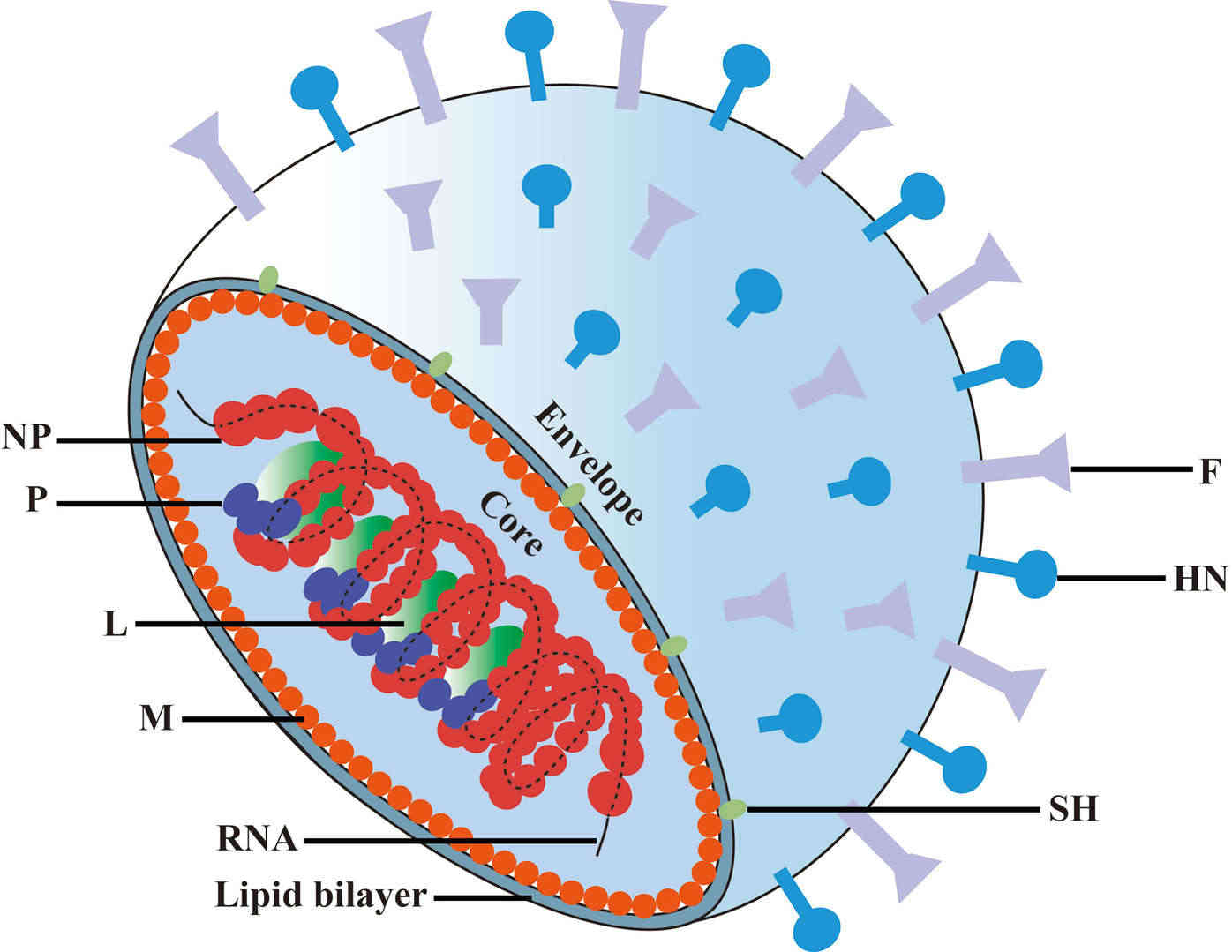 Figure 1. Schematic Representation of Mumps Virus (Source: Wu H, et al., 2021)
MuV is an enveloped negative-sense RNA virus from the Paramyxoviridae family. It has seven genes in its 15,384-nucleotide single-stranded RNA genome: nucleocapsid protein (N), phosphoprotein (P), matrix protein (M), fusion protein (F), small hydrophobic protein (SH), hemagglutinin-neuraminidase (HN), and large protein (L). The virus enters the upper airways through respiratory mucus before spreading to other organs via blood.
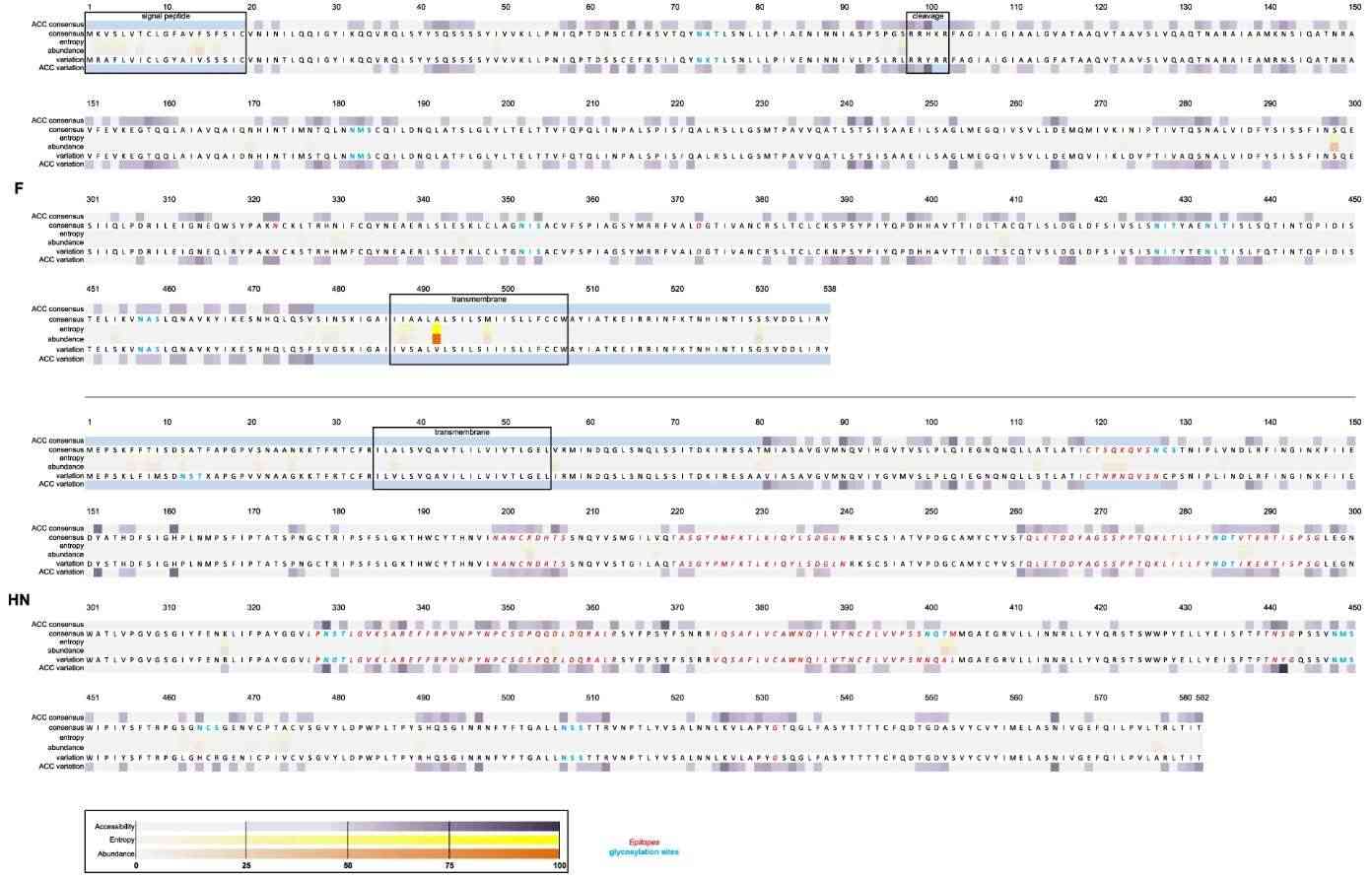 Figure 2. Overview of the Shared and Variable Sequences of the F and HN Proteins in Mumps Virus (Source: Gouma, S., et al., 2018)
It's infected, usually, from breathing airway drops. The virus strikes epithelial cells of the upper respiratory tract, which reproduces and spreads into the bloodstream to parotid glands, testes, ovaries and brain. Parabola swelling and rheumatism are the most frequent clinical symptoms. But beyond the parotid glands, MuV invades other tissues and organs and causes orchitis, meningitis and encephalitis.
MuV transmission characteristics are intimately tied to the pathogenesis of mumps. The virus travels into the body via the epithelial cells of the nose and throat, where it initially invades the upper respiratory tract. This requires the viral surface fusion protein (F) to attach to receptors in the host cells. MuV's F protein attaches to the membrane of the host cell and induces fusion, sending the viral nucleocapsid into the host cell where the virus replicates.
MuV's immune evasion mechanisms are mainly realized by suppressing the host immune system. Infected virus suppresses the host's antiviral response by regulating the immune system of the host cell. Notably, MuV silences the interferon (IFN) signaling system, weakening the antiviral response and enabling the virus to slip through the host immune system's net and avoid elimination. On the other hand, MuV infection causes a cascade of cytokines- including interleukin (IL-6) and tumour necrosis factor (TNF) to proliferate through the parotid glands, testes and meninges. Immediately after infection, the immune system's signalling pathways within host cells are inflamed, including the nuclear factor-kappa B (NF-B) pathway, which further inflames local inflammation. MuV modulates the expression of proteins in host cells via binding to host cell receptors so that replication and dissemination can occur within the host.
Moreover, MuV's neurotropism enables it to escape across the blood-brain barrier into the central nervous system, causing meningitis or encephalitis. The virus binds to receptors on the neurons and envelops the brain, setting off an athletic immune response when it proliferates. It can cause brain damage, deafness, and mental deficits. MuV infection leads to parotid enlargement because the virus has local immune responses within the parotid glands, where it infects via epithelial cells. A large accumulation of immune cells (such as T cells and B cells) in the parotid tissue further promotes the inflammatory response. Although most infected individuals recover completely, some may experience chronic inflammation or permanent damage, particularly in organs like the testes and ears.
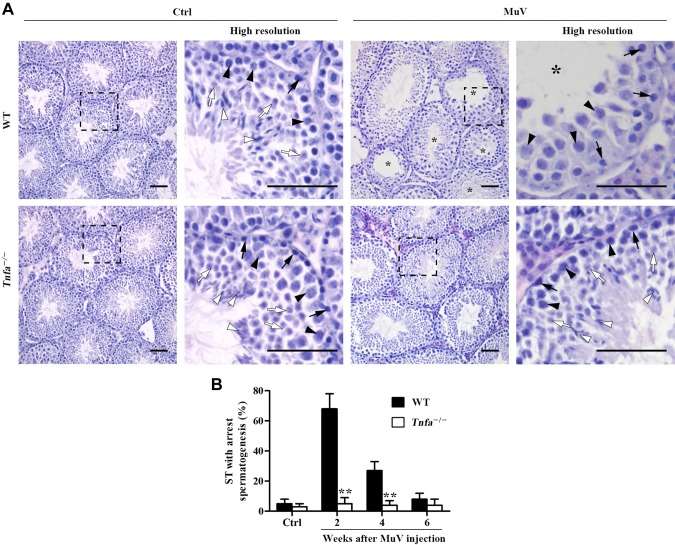 Figure 3. Disruption of the Blood-Testis Barrier in Mumps Virus Infection (Source: Wu H, et al., 2019)
It wasn't until the 1960s that the mumps vaccine was introduced as a preventive measure. Vaccinations had slashed mumps in the grand total, especially in the developed world where the disease almost never occurs. In 2001, mumps rates had decreased 99.9%, falling below 0.1 per 100,000 per year. Yet even where the vaccine rate is high, outbreaks of mumps still occur, particularly in young people and adults.
We have no idea what's responsible for the vaccine's lower efficiency, but it may be because of loss of immunity, virus strain mutations and vaccine escape. Researchers also noted that the vaccine strain may in rare instances cause aseptic meningitis, making vaccine safety uncertain. Mumps was also halted in Japan, for instance, after the vaccine strain was found to be unsafe, so mumps is relatively widespread in Japan.
The 1960s invention of the mumps vaccine swiftly found its way into routine immunizations. Vaccination has diminished the disease, most notably in the industrialized world, where it is practically eradicated. But the vaccine was no longer effective, and strain mutations of the virus caused recurrences around the globe. The MMR (measles, mumps, rubella) vaccine is a live vaccine derived from dead measles, mumps and rubella viruses and is the world's most widely administered mumps vaccine. MMR has been a childhood vaccine of choice since the 1960s, and has cut mumps rates by an order of magnitude. Despite the strong protection offered by the MMR vaccine, immunity does wear off over time, especially in adults. In the wake of poor results with the MMR vaccine, countries across the globe began prescribing boosters for teenagers and adults. That would enhance protection and keep people safe longer, especially those at high risk, so as to avoid more outbreaks of mumps.
As mumps hit the headlines, the vaccine has become the object of new attention. Researchers are also trying to improve the vaccine's efficiency and safety, to curb issues such as virus strain changes and immune escape. As immunity declines, new vaccine therapies could include boosters. Furthermore, improved understanding of MuV's history and virus changes could, in principle, motivate new vaccines.
In short, MuV is a neurotropic virus that not only causes parotitis, but a wide range of fatal complications, particularly central nervous system infections. While mumps vaccination has substantially decreased the incidence of the disease, problems such as diminished vaccine effectiveness and virus mutations remain a huge concern. Future research should improve vaccine safety and effectiveness, create new vaccine strains, and look at how MuV gets virulent to develop better prevention strategies.
References
| Target | Cat. No. | Product Name | Size | Species | Application | Detection Sample | |
| MuV | DEIA363 | Mumps virus (Parotitis) IgG ELISA | 96T | Human | Qualitative | Human Serum or Plasma | Inquiry |
| DEIA364 | Mumps IgA ELISA Kit | 96T | Human | Quantitative | serum, plasma | Inquiry | |
| DEIA365 | Mumps IgM ELISA Kit | 96T | Human | Quantitative | serum, plasma | Inquiry | |
| DEIA1784 | Mumps Virus IgG ELISA Kit | 96T | Human | Quantitative | Serum, plasma or cerebrospinal fluid | Inquiry | |
| DEIA1785 | Mumps Virus IgM ELISA Kit | 96T | Human | Quantitative | Serum, plasma or cerebrospinal fluid | Inquiry | |
| DEIA363R | Mumps virus (Parotitis) IgG ELISA | 96T | Human | Qualitative | Serum or plasma (citrate, heparin) | Inquiry | |
| DEIA365R | Mumps virus (Parotitis) IgM ELISA | 96T | Human | Qualitative | Serum or plasma (citrate, heparin) | Inquiry | |
| DEIA-NS2303-8 | Mumps virus IgG Antibody ELSIA Kit | 96T | Human | Quantitative | Serum, plasma | Inquiry |
| Target | Cat. No. | Product Name | Host | Isotype | Application | |
| MuV | CABT-L2397 | Anti-Mumps chimeric monoclonal antibody, clone G22F5B8 | Mouse | IgM | ELISA | Inquiry |
| CABT-L2398 | Anti-Mumps chimeric monoclonal antibody, clone G20C0B6 | Mouse | IgM | ELISA | Inquiry | |
| CABT-B8733 | Anti-Mumps Virus Nucleoprotein monoclonal antibody | Mouse | IgG2a | ELISA, IF | Inquiry | |
| DPAB-CS24035G | Human Anti-Mumps Virus IgG Control Serum | Human | IgG | ELISA | Inquiry | |
| DPAB-CS24035M | Human Anti-Mumps Virus IgM Control Serum | Human | IgM | ELISA | Inquiry | |
| CABT-CS258 | Mouse anti-Mumps Virus monoclonal antibody, clone MN150 | Mouse | IgG2a | ELISA, LFIA, IF | Inquiry | |
| CABT-CS259 | Mouse anti-Mumps Virus monoclonal antibody, clone MN161 | Mouse | IgG2b | ELISA, LFIA, IF | Inquiry | |
| MuV NP | DMAB-CS24047 | Mouse Anti-Mumps Virus NP Monoclonal antibody, clone 8C21 | Mouse | IgG2a | WB | Inquiry |
| Target | Cat. No. | Product Name | Expression System | Tag/Conjugate | Application | |
| MuV | DAG202 | Native Mumps Virus | N/A | KLH | ELISA | Inquiry |
| DAG4701 | Native MuV Antigen | N/A | KLH | ELISA | Inquiry | |
| DAG-H10369 | MuV Grade 2 | N/A | KLH | ELISA, WB | Inquiry | |
| DAGA-500 | Recombinant mumps virus nucleoprotein (>95%) [His] | E. coli | KLH | N/A | Inquiry | |
| DAGA-501 | MuV grade 3 | LLC-MK2 cells | KLH | N/A | Inquiry | |
| DAG-WT1156 | Recombinant Mumps Virus Nucleoprotein (Jeryl Lynn strain) | HEK293 cells | KLH | ELISA | Inquiry | |
| MuV NP | DAGC780 | Recombinant Mumps Virus (Jeryl-Lynn) Nucleoprotein | HEK293 | KLH | Immunoassay | Inquiry |
| DAGC781 | Recombinant Mumps Virus (L-Zagreb) Nucleoprotein | HEK293 | KLH | Immunoassay | Inquiry | |
| DAGC782 | Recombinant Mumps Virus (L-Zagreb) Nucleoprotein | Insect cells | KLH | Immunoassay | Inquiry |
Loading ......
