
Inquiry Basket
 Loading ......
Adenovirus (AdV) is an enveloped virus with icosahedral particles, 70-90 nanometers in diameter, containing a linear double-stranded DNA genome of about 36 kb. AdV can be isolated from a variety of vertebrate hosts including humans, mice and non-human primates. Humans infected with AdV present with flu-like symptoms, sore throat, diarrhea and vomiting.
The traditional AdV vector is composed of species C adenovirus serotype 5 (Ad5). The E1A gene is located next to the left inverted terminal repeat (ITR), which is the first gene to be transcribed after infection. It is essential for viral replication, and can activate the early viral gene transcription. Therefore, deletion of E1A renders the AdV vector incapable of replication. The recombinant AdV vector usually delete the E3 gene from the virus genome to improve the ability of transgene insertion, and transgene expression cassettes are inserted into E1 or E3 deleted regions. The recombinant AdV vector can stably express Ad5 E1 protein in HEK293 cells.
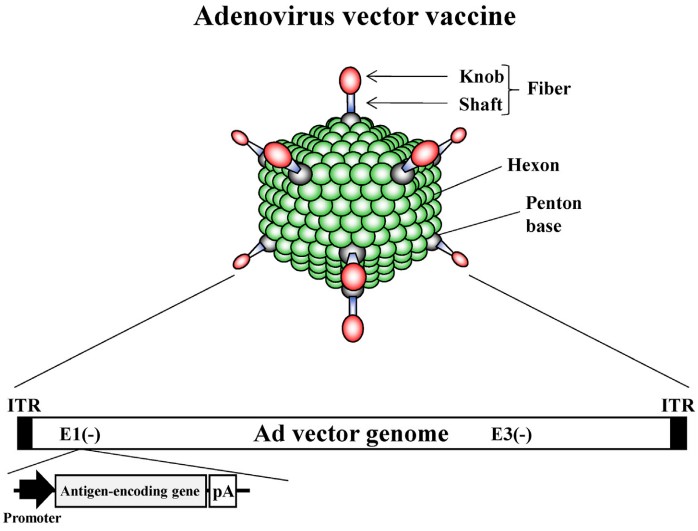 Figure 1. Schematic diagram of an Ad vector vaccine
(Source: Sakurai F, et al. 2022)
As research progressed, the AdV genome was progressively modified to improve safety and therapeutic efficacy. The immune response was reduced by progressively removing non-essential DNA regions from the replication region (first generation) to the gene (third generation). As a result, the insertion capacity of the AdV gene was improved from approximately 7kb to 36kb.
The mode of adenovirus entry into cells and the type of cell to which it binds influences the innate immune response to adenovirus vectors. Different adenovirus serotypes bind to different receptors, and all adenoviruses except serotype B bind to the coxsackie-adenovirus receptor (CAR) and enter cells. Binding of Ad5 fibers to CAR induced strong pro-inflammatory activity in respiratory epithelial cells, including induction of ERK1/2 and p38MAPK signaling as well as expression of pro-inflammatory genes such as IL-6, IL-8, and IP-10. During subsequent internalization, the adenoviral penton base protein interacts with cellular integrins, and the RGD motif in penton excites the PI3K/p38 MAPK and Raf-1/ ERK1/2 signaling pathways, ultimately triggering the expression of proinflammatory cytokines and chemokine genes via NF-κB.
On the other hand, adenoviruses also stimulate innate immunity through pathogen-associated molecular patterns, followed by the production of IFN and pro-inflammatory cytokines to promote innate immunity. It has been found that the innate immune environment stimulated by adenovirus vectors may also contain innate T cells, such as Mucosal-associated-invariant T cells (MAIT). The innate immune environment caused by adenoviruses may induce well-trained immunity, which is considered to be a kind of innate immune memory. Some researchers have found that recombinant adenovirus vectors can produce sustained trained innate immunity in the lungs via mucosal delivery, suggesting that adenovirus vector vaccines could be selected as a novel vaccine strategy for respiratory pathogens. This adenovirus-induced nonspecific defense may play a beneficial role in host resistance to infection.
Adenoviruses induce adaptive humoral and cellular immune responses while altering the innate immune environment. Several studies have demonstrated that adenovirus-vectored vaccines induce strong and long-lasting humoral responses, for example, a single injection of replication-deficient Ad5 vector elicits a sustained antibody response in humans. Muscle immunization with adenovirus vectors has been found to efficiently and consistently express antigens (Ags) in muscle tissue in mouse models. These antigens are efficiently presented directly and cross-presented to CD8 T cells, and the CD8 CTL response is critical if intracellular pathogens such as viruses are to be removed. Transgenic Ags from adenovirus vectors are efficiently presented to T cells through MHC class I molecules, and thus adenovirus vaccines induce efficient and robust CTL responses. Based on the different tropisms of adenoviruses, transgenic Ags can be expressed in different cell types, which facilitates antigen delivery via MHC molecules. Although CTL does not provide bactericidal protection, it can inhibit viral replication and reduce disease severity. These properties make adenovirus vectors promising vaccine vectors.
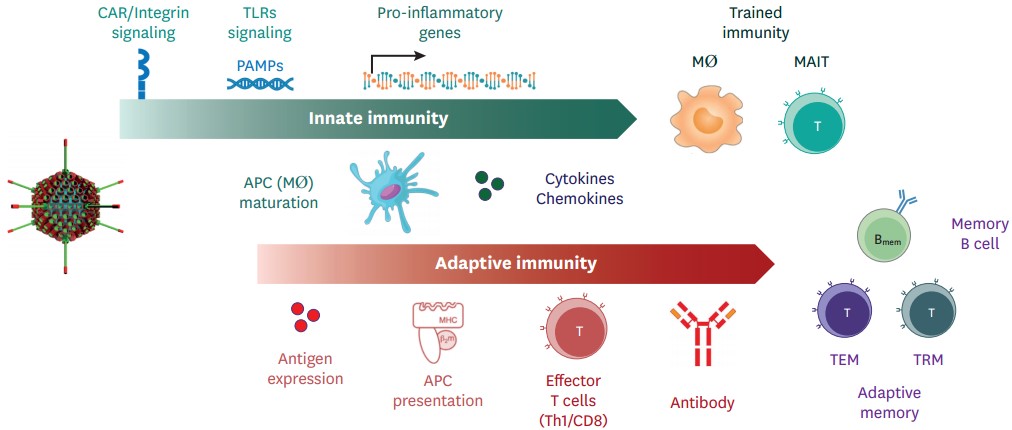 Figure 2. The interaction between adenovirus and the innate and adaptive immune environment
(Source: Chang J. 2021)
Based on the interaction between AdV and the immune system, adenovirus vectors have been used to develop vaccines against viral pathogens. This class of vaccines deletes the E1 gene of adenovirus resulting in defective viral replication, which impairs the ability of AdV to multiply in host cells without affecting the infectivity of the virus, and then inserts a transgenic expression cassette into the D1 locus. The commonly used genetic engineering methods for inserting antigens are BAC-based recombinant engineering, plasmid-based homologous recombination in E. coli, and in vitro Gateway recombination. Human Ad5 vector was the earliest AdV vector used in preclinical and clinical vaccine trials. Due to the existence of neutralizing antibodies against human Ad5, researchers began to use non-human AdVs, such as chimpanzee adenovirus vectors (ChAds), porcine adenovirus vectors, and ovine adenovirus vectors. Among them, ChAds are most commonly used in clinical trials, are easily cultured in human cell lines, and have a low seropositivity rate in humans. ChAds have been used to develop vaccines against a wide range of infectious diseases, including AIDS, Ebola, hepatitis C, Zika, Middle East Respiratory Syndrome Coronavirus and Severe Acute Respiratory Syndrome Coronavirus.
The Ebola vaccine is the first adenovirus vaccine approved for human prevention purposes. An AdV serotype 26 (Ad26) vector expressing Ebola virus glycoproteins has been approved by the European Union in a program that uses the Ad26 vector as the primary vaccine and varicella virus encoding glycoproteins from Ebola, Sudan, Marburg, and Tai Forest viruses nucleoprotein as a booster vaccine. In addition, ChAd3 vector vaccine and Ad5 vector vaccine expressing Ebola virus glycoproteins have been shown to be effective in inducing anti-Ebola virus immunity.
Most of the COVID-19 vaccine candidates currently being evaluated in large-scale clinical trials utilize recombinant adenovirus vector platform technologies, such as HAd5, HAd26, and ChAdOx-1 vectors. Most of these vaccine candidates are designed to express the S protein or RBD of SARS-CoV-2. The natural tropism of adenoviruses for respiratory mucosa is an advantage in the development of adenovirus vector-based COVID-19 vaccines, but the efficacy of HAd5-based vaccine may be reduced because there may be pre-immunization against human adenovirus. To overcome this deficiency, the researchers used adenovirus vectors from other species. The results of research on ChAdOx-1 show that it has safety and immunogenicity.
The widely used traditional influenza virus vaccines (live attenuated virus vaccine, inactivated virus vaccine, split virus vaccine) have relatively low immune efficiency, narrow coverage, and only target specific strains. Adenovirus vectors can stimulate humoral immunity and induce broad cross-reactive T cell immunity against conserved antigens, and many studies have used adenovirus vector platforms to develop universal influenza vaccines. For example, antibodies are induced by targeting the HA stalk region or extracellular region of relatively conserved M2 ion channels, or by targeting NP or M1 to induce a wide range of cross-reactive T cells. Influenza vaccines based on HAd5 expressing HA have demonstrated safety and immunogenicity through human clinical trials. The ideal influenza vaccine should induce both broad cross-reactive T cell immunity and neutralizing antibodies, and this protective immunity can be sustained for a long time, and in this regard, the development of influenza vaccines based on adenovirus vector platforms is a strong choice.
The high immunogenicity of adenovirus vectors enhances the efficacy of HIV-1 vaccines, and studies have demonstrated that adenovirus vector-based HIV-1 vaccines show very good preventive effects against infection in non-human primates. When a large-scale STEP trial of an HAd5-based vaccine was conducted in humans, instead of the expected efficacy of the vaccine, there was a trend toward increased HIV-1 infection in HAd5-seropositive volunteers. Although the true cause of the results has not been explained, the researchers suggest that vaccination-induced CD4 T-cell activation may have contributed to the increase in HIV-1 infection.
Adenoviruses are highly immunogenic, and infection strongly induces neutralizing antibody responses against hexon, penton base, and fiber antigens on the viral surface. In addition, it induces Th1 CD4 T-cell responses that cross-react to multiple serotypes. Neutralizing anti-Ad5 antibodies significantly inhibit Ad vector transduction by inhibiting Ad vector binding to infection receptors and promoting proteasomal degradation of Ad vectors, resulting in low levels of vaccine effect. In response, researchers have employed several strategies to avoid reduced vaccine efficacy, including the use of genetically engineered HAd5 vectors chimerized with hexon proteins, encapsulation of the vectors themselves in polymers, and administration by the oral or nasal routes to avoid systemic immunity. In addition, booster immunization with adenovirus vectors of different serotypes is expected to achieve better efficacy than single vaccination.
References
| Target | Cat. No. | Product Name | Size | Species Reactivity | Application | Detection Sample | |
| ADV | DEIAFY103 | Adenovirus Hexon Antigen ELISA Kit | 2×96T | N/A | Qualitative | Feces | Inquiry |
| DEIA1767-1 | Adenovirus IgM ELISA Kit | 96T | Human | Qualitative | Serum, plasma | Inquiry | |
| DEIA309 | Human Anti-Adenovirus IgG ELISA Kit | 96T | Human | Quantitative | Serum, plasma | Inquiry | |
| DEIA310 | Adenovirus IgA ELISA Kit | 96T | Quantitative | Serum, plasma | Inquiry | ||
| DEIA311 | Adenovirus IgM ELISA Kit | 96T | Quantitative | Serum, plasma | Inquiry | ||
| DEIA1767 | Adenovirus IgM ELISA Kit | 96T | Human | Quantitative | Serum, plasma | Inquiry | |
| DEIA2382 | Adenovirus IgG ELISA Kit | 96T | Human | Qualitative | Human serum or plasma (citrate, heparin) | Inquiry | |
| DEIA2435 | Adenovirus (Fecal) ELISA Kit | 96T | N/A | Qualitative | Stool | Inquiry | |
| DEIA2094 | Mouse Adenovirus-FLandK87 EcoELISA Kit | 96T | Mouse | Qualitative | Serum | Inquiry | |
| DEIA1383 | Human Adenovirus IgA (ADV-IgA) ELISA Kit | 96T | Human | Qualitative | Serum or plasma | Inquiry | |
| DEIA1383G | Human Adenovirus IgG ELISA Kit | 96T | Human | Qualitative | Serum, plasma | Inquiry |
| Target | Cat. No. | Product Name | Expression System | Tag/Conjugate | Application | |
| ADV type 5 | DAG-P2190 | ADV type 5 Hexon (full length) | N/A | Unconjugated | SDS-PAGE, ELISA | Inquiry |
| ADV | DAG-WT386 | Recombinant Adenovirus Hexon Antigen | Mammalian cells | Unconjugated | ELISA, LF | Inquiry |
| DAGC414 | Inactivated ADV Type 1 Antigen | N/A | Unconjugated | Inquiry | ||
| DAGC415 | Inactivated ADV Type 3 Antigen | N/A | Unconjugated | Inquiry | ||
| DAGC416 | Inactivated ADV Type 31 Antigen | N/A | Unconjugated | Inquiry | ||
| DAGC417 | Inactivated ADV Type 4 Antigen | N/A | Unconjugated | Inquiry | ||
| DAGC077 | Native Adenovirus Type 2 (Strain Adenoid 6) Antigen | Hep-2 cells | Unconjugated | Inquiry | ||
| DAG-H10374 | ADV Positive Sample | N/A | Unconjugated | N/A | Inquiry | |
| DAG-H10356 | ADV Grade 2 | N/A | Unconjugated | N/A | Inquiry | |
| HAdV | DAG-H10636 | Recombinant HAdV-E fiber [His] | Baculovirus-Insect cells | His | Immunoassays | Inquiry |
| DAG-H10637 | Recombinant HAdV-B encapsidation protein IVa2 [His] | Baculovirus-Insect cells | His | Immunoassays | Inquiry |
Loading ......
