
Inquiry Basket
 Loading ......
The rabies virus (RABV) causes rabies which stands out as a zoonotic disease with nearly certain fatality. Through post-exposure prophylaxis in which rapid antibody-mediated neutralization blocks virus entry into the central nervous system rabies prevention becomes possible. The current rabies prevention methods involve administering rabies immunoglobulin from immunized horses or human donors together with five doses of rabies vaccine. Around 17 million people each year receive vaccines and medical treatment following exposure to rabies. Multiple doses and high treatment costs result in incomplete protection through vaccines despite their potential effectiveness which leads to roughly 60,000 annual rabies-related deaths worldwide.
Traditional rabies vaccines mainly fall into two categories: inactivated vaccines and live-attenuated vaccines. Inactivated vaccines provide safety but present several significant limitations. Patients need to receive several vaccinations between three to five times to build enough immunity which requires them to follow the treatment schedule closely. Resource-poor regions face significant obstacles when trying to ensure people finish their entire vaccination schedule. The high production costs of inactivated vaccines restrict their availability throughout economically underdeveloped regions. While live-attenuated vaccines offer extended immunity they present safety hazards due to possible reversion mutations which can cause illness thereby generating apprehension about their application.
Current advancements in vaccine technology have led to the emergence of nucleic acid vaccines which require optimization strategies to become more effective.
The fast-paced development of biotechnology has introduced nucleic acid vaccines which now present fresh opportunities for the prevention of rabies through mRNA vaccines. These vaccines enable fast development of targeted immune reactions while offering reduced production periods and cost-effective manufacturing. Current mRNA rabies vaccines struggle to produce high antibody levels and show slower kinetics than the three-dose Rabipur (inactivated rabies vaccine). Scientists have implemented major initiatives to improve both the immunogenicity and practicality of the RABV-G mRNA vaccine in the post-COVID-19 pandemic period.
Under Dongdong Li's leadership a research team has committed to increasing vaccine effectiveness through detailed research and specific alterations of the rabies virus glycoprotein (RABV-G). The rabies virus glycoprotein RABV-G functions as the primary surface antigen and contains three domains: extracellular, transmembrane, and intracellular. Scientific research demonstrates that intentional domain truncation or modification leads to changes in vaccine-induced antibody levels and neutralization abilities.
Dongdong Li's team developed several variants of C-terminal truncated RABV-G mRNA to test their immunogenicity and protective effectiveness in a key study. Full-length RABV-G mRNA vaccines triggered robust humoral and cellular immune responses and ensured complete protection for vaccinated animals when exposed to a lethal dose of rabies virus. The R333Q mutation resulted in higher neutralizing antibody levels compared to the unmutated RABV-G vaccine but this difference was not statistically significant, indicating potential improvements in vaccine efficacy.
Studies demonstrate that the intracellular domain significantly improves both immunogenicity and protective power of vaccines. This domain isn't essential for neutralizing antibody production but supports stronger and longer-lasting immune responses because it affects protein folding and stability as well as antigen presentation.
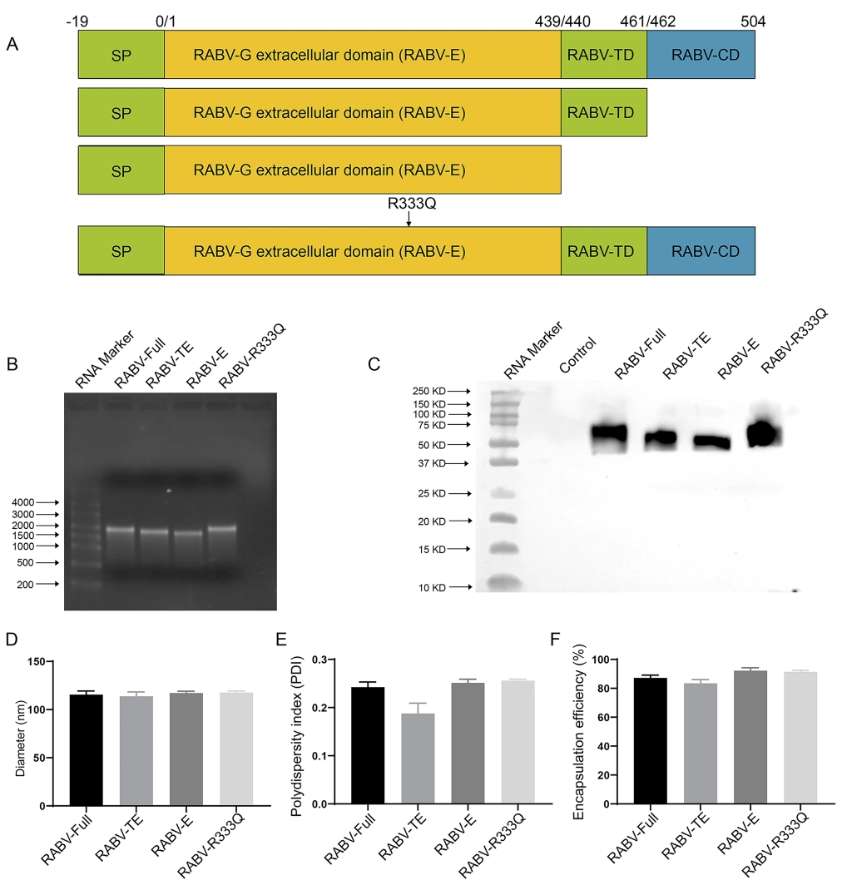 Figure 1. Characterization of mRNA vaccines and LNPs. (Source: Li D, et al., 2025)
The effectiveness of nucleic acid vaccines can be enhanced by using appropriate adjuvants together with viral structure optimization. IL-7 serves as an essential cytokine that controls lymphocyte proliferation and differentiation while it supports the maturation of both T cells and B cells.
Research team leader Lingli Wang engineered a composite mRNA vaccine containing IL-7 mRNA and RABV-G mRNA packaged within lipid nanoparticles (LNPs) for mouse model testing. The results were exciting: The antibody response measured as neutralizing titers was higher in the IL-7 mRNA and RABV-G mRNA vaccine compared to the RABV-G mRNA vaccine alone and remained elevated for six months. Research demonstrated IL-7 activated the JAK-STAT pathway leading to enhanced proliferation and differentiation of Tfh cells along with GC B cells and plasma cells that improved the humoral immune response.
 Figure 2. IL-7 promotes the proliferation of Tfh cells, GC B cells and PCs in mice. (Source: Wang L, et al., 2024)
The innovative studies unveil fresh insights and establish promising directions for the advancement of rabies vaccine development. The immunogenicity of nucleic acid vaccines for rabies prevention shows substantial improvement through precise viral structure modification and logical IL-7 adjuvant use which leads to more efficient and cost-effective safer solutions. The advancements decrease global rabies incidence and mortality rates while simultaneously providing important information for developing vaccines targeting different infectious diseases.
Advancements in technology and research point toward significant breakthroughs in rabies vaccines which will improve immune efficacy and safety while enhancing accessibility thus protecting human health.
References
| Target | Cat. No. | Product Name | Size | Species | Application | Detection Sample | |
| RABV | DEIA1027 | Human Rabies Virus antibody IgG ELISA Kit | 96T | Human | Quantitative | serum, plasma | Inquiry |
| DEIAHRVPY28 | Human Anti-RVG IgG ELISA Kit | 96T | Human | Quantitative | Serum, plasma | Inquiry | |
| DEIA-NS2310-2 | Human Rabies Virus Antibody (IgG) ELISA Kit | 96T | Human | Quantitative | serum and plasma | Inquiry | |
| DEIA-RV2310-6 | Rabbit Anti-Rabies Virus IgM ELISA kit | 96T | Rabbit | Quantitative | Rabbit serum | Inquiry | |
| DEIA-RV2310-7 | Monkey Anti-Rabies IgG ELISA Kit | 96T | Monkey | Quantitative | Serum, plasma or other biological fluids | Inquiry | |
| DEIA-RV2310-9 | Rabbit Anti-Rabies Virus IgG ELISA Kit | 96T | Rabbit | Quantitative | Rabbit serum | Inquiry | |
| DEIA-RV2310-14 | G. Pig Anti-Rabies Virus IgG ELISA Kit | 96T | Guinea pig | Quantitative | serum or plasma | Inquiry | |
| DEIA-RV2310-15 | Rabies Virus Vaccine ELISA Kit | 96T | N/A | Quantitative | vaccines formulated in Aluminum hydroxide or Alum gel | Inquiry | |
| DEIA-RV2310-17 | Human Anti-Rabies NP IgG ELISA Kit | 96T | Human | Quantitative | Serum/Plasma/Biological Samples | Inquiry | |
| DEIA-RV2310-18 | Mouse Anti-Rabies NP IgG ELISA Kit | 96T | Mouse | Quantitative | Serum/Plasma/Biological Samples | Inquiry | |
| DEIA-RV2310-19 | Rabbit Anti-Rabies NP IgG ELISA Kit | 96T | Rabbit | Quantitative | Serum/Plasma/Biological Samples | Inquiry |
Loading ......
