
Inquiry Basket
 Loading ......
The immune system produces anti-drug antibodies (ADAs) in reaction to biologics, which include recombinant proteins, monoclonal antibodies, and other macromolecular drugs. These antibodies mainly impact the pharmacokinetic characteristics of the drug, diminish its effectiveness, and may even cause unfavorable immune-related reactions. In order to optimize treatment plans and guarantee medication safety, prompt monitoring and precise evaluation of ADA production are essential during the development of biologics. The presence of ADA may affect a patient's immune tolerance, leading to reduced long-term treatment efficacy; moreover, once generated, ADA can bind to the drug to form immune complexes, which accelerate drug clearance or reduce its activity, thereby diminishing the drug's efficacy.
One type of ADA is Binding Antibody (BAb), which binds to the biotherapeutic agent and may affect the drug's pharmacokinetics (PK) but does not directly inhibit its efficacy. Besides, one of the most prominent types is neutralizing ADA (NAb), which can block the drug's target, triggering hypersensitivity reactions, infusion reactions, or even additional immune system disorders.
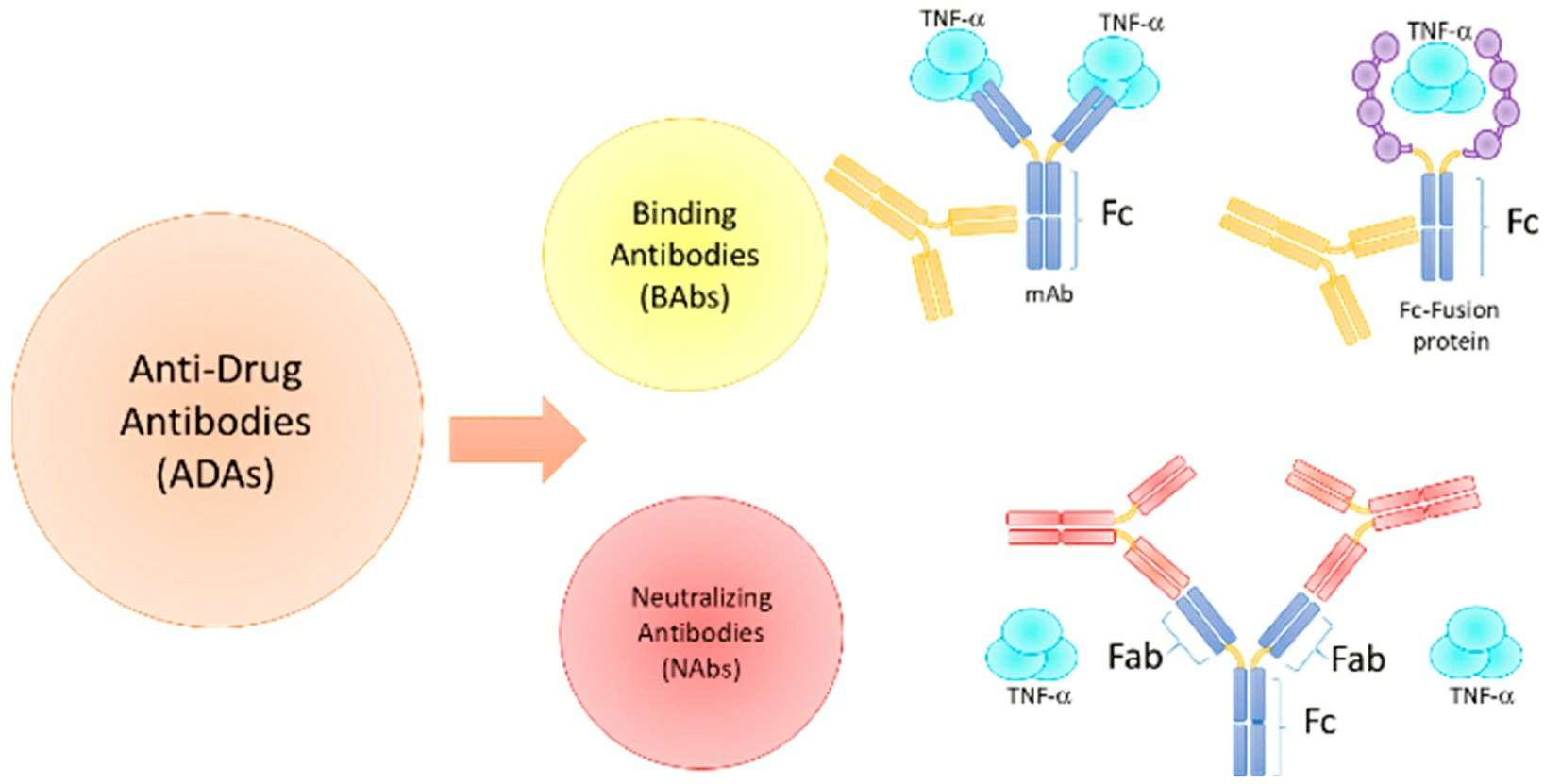 Figure 1. Anti-Drug Antibodies (ADA) Types. (Source: Pizano-Martinez O, et al. 2023)
The development of ADA involves multiple immune system processes: antigen-presenting cells (APCs) gather exogenous drugs (such recombinant proteins and monoclonal antibodies), which are then presented to T cells via the major histocompatibility complex (MHC) route. CD4 T cells release cytokines after recognizing an antigen, which further activate B cells. Certain antibodies, specifically ADA, are produced by the activated B cells when they develop into plasma cells.
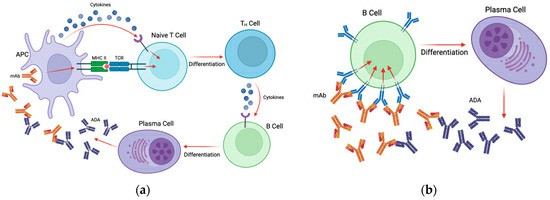 Figure 2. Overview of the ADA Formation Process. (Source: Howard EL, et al. 2025)
After being produced, ADA attaches itself to the medication to form immunological complexes that cause unfavorable immune reactions. These complexes impact the drug's distribution, metabolism, and patient tolerance to therapy.
It is known that ADA affects the therapeutic effects of drugs, including lowering drug concentration, accelerating clearance, reducing efficacy, and even causing treatment failure. Specifically, binding ADA accelerates drug clearance, leading to a decrease in blood drug concentration, while neutralizing ADA directly blocks the drug's target, rendering it ineffective.
For example, different types of biologics have varying potentials to induce ADA: monoclonal antibodies (mAbs) such as Adalimumab and Infliximab, commonly used in the treatment of autoimmune diseases, are prone to inducing ADA. Fusion protein drugs like Etanercept, due to their complex protein structures, are more likely to trigger immune responses, whereas recombinant protein drugs such as coagulation factor VIII (used in hemophilia treatment) have high immunogenicity, which can easily lead to ADA-related resistance issues.
In addition, some vaccines may trigger ADA responses during administration, thereby affecting immune protection efficacy.
During long-term treatment, the constant generation of ADA may cause patients to become less receptive to the medicine, necessitating adjustments or revisions to the treatment strategy. Furthermore, ADA can produce hypersensitivity events such as infusion reactions and rashes, as well as autoimmune illnesses such as lupus-like syndrome or thrombocytopenia, all while lowering the body's tolerance to biologics and limiting long-term therapy efficacy.
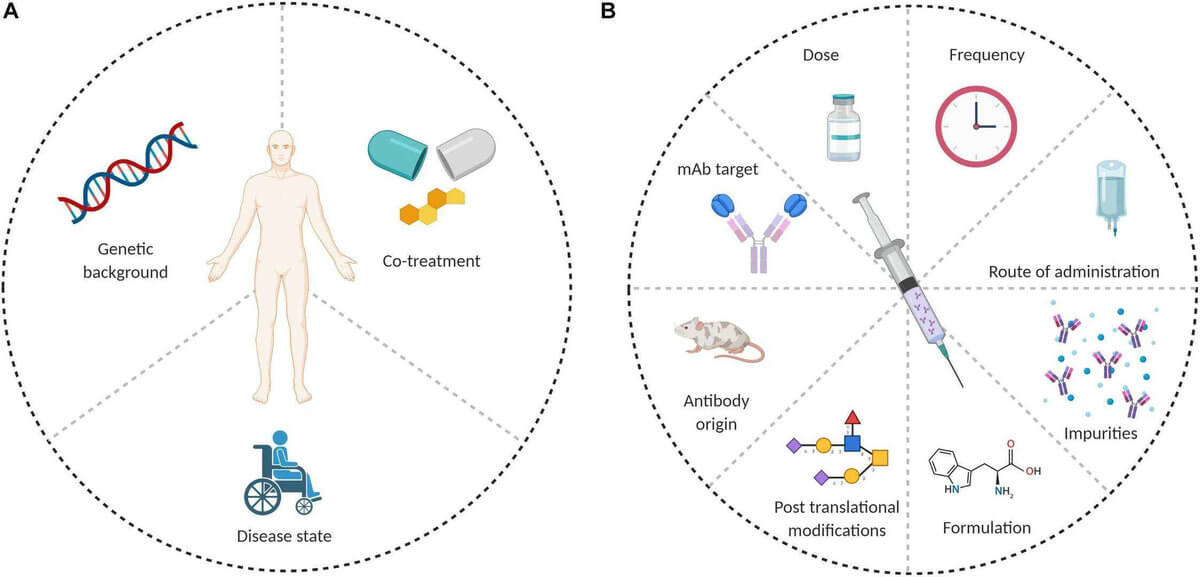 Figure 3. Possible causes of ADA formation. (A) Patient related and (B) drug related. (Source: Vaisman-Mentesh A, et al. 2020)
Individual differences play a crucial role in ADA production; genetic background, immune status, drug dosage, and administration route all affect the production and levels of ADA. For instance, individuals with stronger immune function are more likely to mount an immune response to biologics, whereas patients with compromised immunity or those receiving immunosuppressive treatment tend to have a reduced ADA response.
In addition to patient factors, the characteristics of the drug also determine the likelihood of ADA production, including molecular size, structure, glycosylation patterns, and dosing frequency. Macromolecular drugs are generally more likely to induce immune responses than small molecules, and continuous or high-dose administration may exacerbate ADA generation.
To reduce ADA responses, various strategies can be employed, such as optimizing the drug structure (e.g., PEGylation), combining with immunomodulators, or adjusting the administration method (e.g., reducing the frequency of intravenous injections that have high immunogenicity). Additionally, ADA monitoring is key to managing immune tolerance and drug response; measuring ADA levels using methods such as ELISA, ECL, and immunoblotting can help develop individualized treatment plans. For patients with high ADA levels, switching drugs, adjusting dosing regimens, or combining with immunosuppressants can be considered to promptly reduce immune-related adverse reactions and improve treatment efficacy.
In conclusion, anti-drug antibodies (ADA) are crucial to biopharmaceuticals and clinical settings because they can cause major safety problems in addition to compromising the effectiveness of medications. As a result, ADA monitoring is essential for the development of biologic drugs, clinical trials, and commercialization. Accurate monitoring data is crucial for researchers and biopharmaceutical industry professionals, in addition to comprehending the mechanisms of ADA formation and its clinical effects. Creative Diagnostics provides a range of superior ADA detection kits, and we are sure that we can help you maximize your biologic drug development approach.
Contact us to obtain more information on macromolecular drugs and ADA detection and analysis, and discover how we can serve you!
References
| Target | Cat. No. | Product Name | Size | Species | Application | Detection Sample | |
| Exendin-4 | DEIABL206 | Exendin-4 ADA ELISA kit | 96T | Human | Quantitative | Serum, plasma | Inquiry |
| TNF | DEIA068J | TNF α-Blocker ADA, Antibodies against infliximab ELISA Kit | 96T | Human | Qualitative | serum, EDTA plasma | Inquiry |
| DEIA069J | TNF α-Blocker ADA, Total Antibodies against infliximab ELISA Kit | 96T | Human | Qualitative | serum, EDTA plasma | Inquiry | |
| DEIA018J | TNF α-Blocker ADA, Antibodies against etanercept ELISA Kit | 96T | Human | Qualitative | EDTA plasma, serum | Inquiry | |
| DEIA019J | TNF α-Blocker ADA, Antibodies against infliximab ELISA Kit | 96T | Human | Qualitative | EDTA plasma, serum | Inquiry | |
| DEIA020J | TNF α-Blocker ADA, Total Antibodies against infliximab ELISA Kit | 96T | Human | Qualitative | EDTA plasma, serum | Inquiry |
| Target | Cat. No. | Product Name | Size | Species | Application | Detection Sample | |
| Semaglutide | DEIASL092 | Semaglutide ELISA Kit | 96T | NA | Quantitative | Serum, plasma | Inquiry |
| Ramucirumab | DEIAZ0009 | Anti-Ramucirumab ELISA Kit | 96T | Human | Qualitative | Serum, plasma | Inquiry |
| Filgrastim | DEIABL228 | Filgrastim Elisa kit | 2 x 96T | Human | Quantitative | Serum, plasma | Inquiry |
| Liraglutide | DEIA-XYZ95 | Liraglutide High Sensitivity Elisa Kit | 96T | NA | Quantitative | Serum, plasma | Inquiry |
| MMAE | DEIABL314 | Intact MMAE ADC ELISA Kit | 96T | Human | Quantitative | Serum, plasma | Inquiry |
| DM1 | DEIABL311 | DM1 ADC ELISA Kit | 96T | Human | Quantitative | Serum, plasma | Inquiry |
| SN38 | DEIABL316 | SN38 ADC ELISA Kit | 96T | Human | Quantitative | Serum, plasma | Inquiry |
| Eculizumab | DEIAZ0063 | Eculizumab ELISA kit | 96T | NA | Quantitative | Serum, plasma, cell culture samples | Inquiry |
Loading ......
