
Inquiry Basket
 Loading ......
The development and clinical usage of macromolecule drugs depend heavily on enzyme-linked immunosorbent assay (ELISA) technology. ELISA serves as an essential tool for drug detection and monitoring because of its high sensitivity and specificity.

Pharmacokinetics (PK) studies benefit from ELISA because it accurately measures large-molecule drug concentrations in serum or plasma which facilitates the creation of drug concentration-time curves. The process generates vital information for ADME studies that establishes the fundamental basis needed to design dosages and refine administration schedules.
The substantial immunogenic properties of large-molecule drugs lead patients to form anti-drug antibodies (ADA) that can disrupt drug concentration levels which influences therapeutic effectiveness and safety. ELISA stands as the primary detection method for ADA by using different techniques including sandwich, bridging, and competitive formats to identify free IgG-type ADA. ELISA achieves high detection accuracy through combining sample acidification with antigen-binding tests (ABT) and tiered screening and confirmation processes which limit drug interference.
Immunogenicity assessment depends significantly on the ELISA technique. The ability to identify ADA subtypes and their levels helps researchers understand the risk associated with drug-induced immune responses while generating key information for drug structure enhancement and immunogenicity risk management. The implementation of this approach leads to improved safety and effectiveness for large-molecule pharmaceuticals.
Our ELISA kits are categorized based on drug type, making it easy to find the right solution:
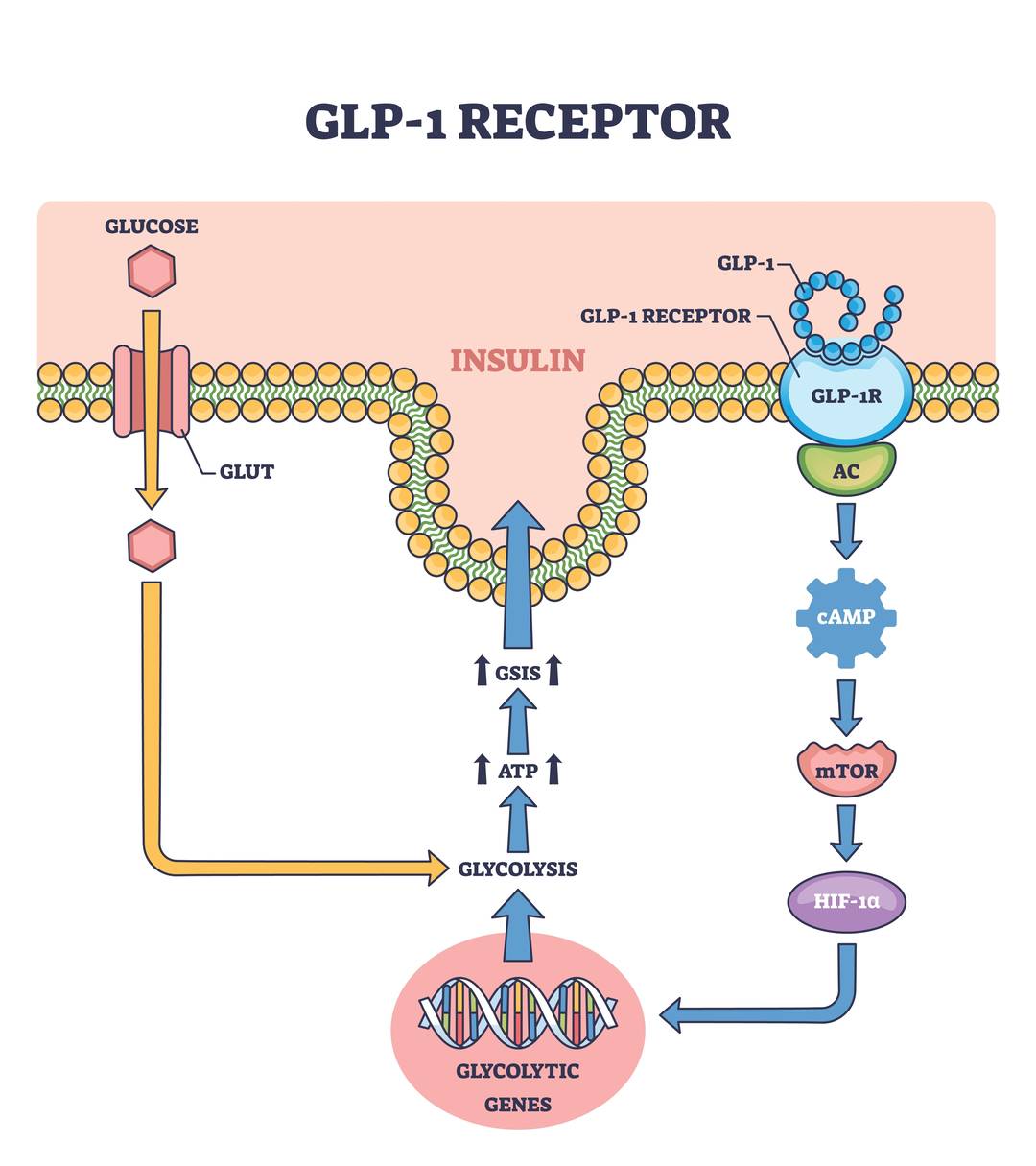
GLP-1 receptor agonists are a class of drugs that mimic or enhance the function of glucagon-like peptide-1 (GLP-1), a hormone secreted by the intestines. GLP-1 binds to receptors in the pancreas to promote insulin secretion, lower blood glucose, and inhibit glucagon release, reducing hepatic glucose production. Additionally, GLP-1 slows gastric emptying, enhances satiety, and plays a role in weight management. Due to these physiological effects, GLP-1 receptor agonists are widely used in type 2 diabetes treatment.
Applications: Diabetes & obesity drug research | Immunogenicity analysis | ADA monitoring
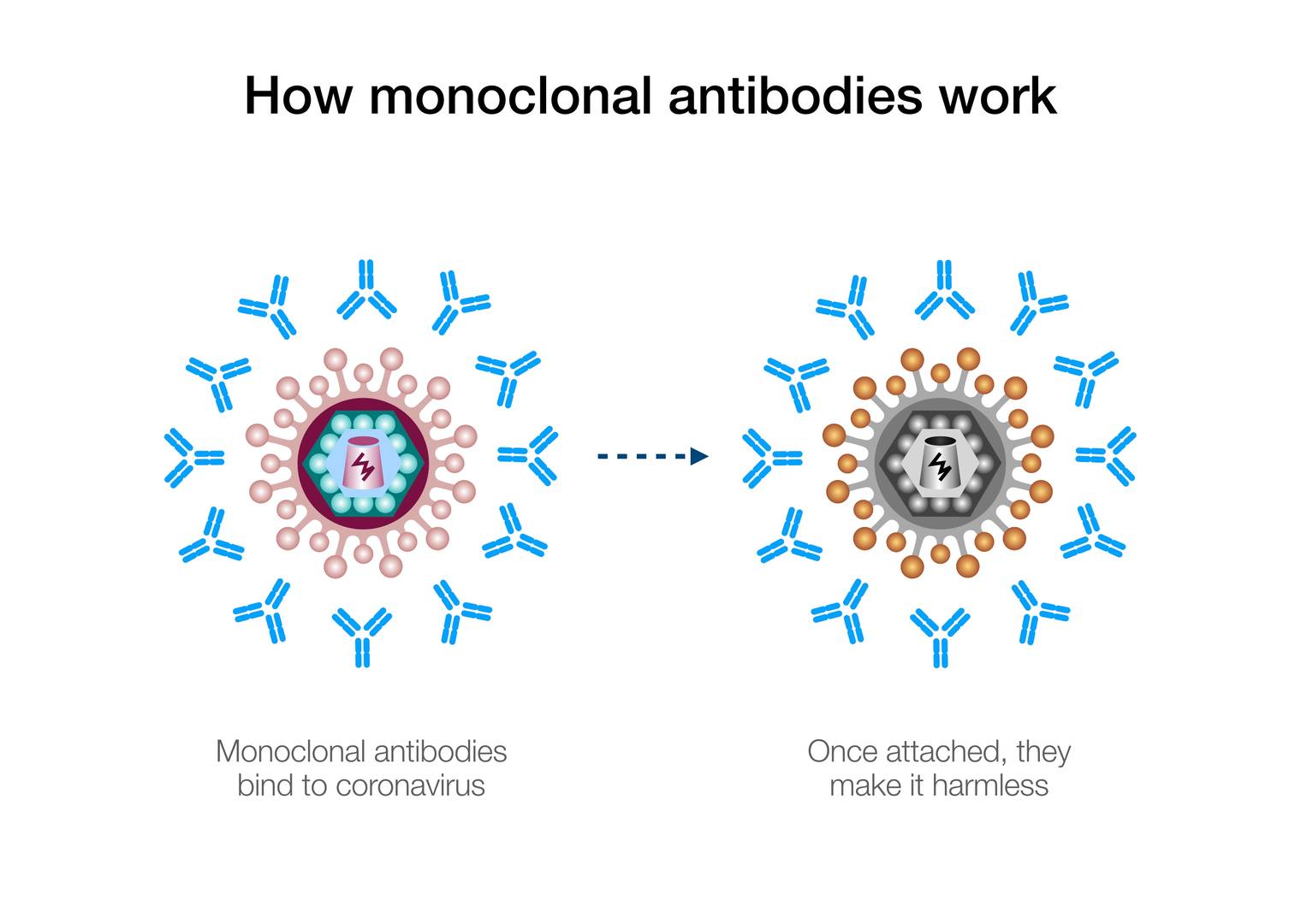
Monoclonal antibodies (mAbs) are produced by a single type of B-cell clone, offering high specificity and the ability to bind to a particular antigen (such as bacterial, viral, or tumor cell surface molecules). Unlike polyclonal antibodies, mAbs target a single epitope, ensuring purity and consistency. They are widely used in cancer therapy, autoimmune disease treatment, and infectious disease management.
Applications: Oncology & immune disease mAb research | PK studies | ADA evaluation
Recombinant proteins are produced using genetic engineering techniques and are widely used in therapeutics, vaccine development, diagnostic assays, and biological research. By inserting target genes into host cells (such as E. coli, insect, or mammalian cells), researchers can produce recombinant proteins like human insulin and erythropoietin (EPO) for treating diabetes and anemia.
Cytokine drugs, which include immune-regulating proteins such as interleukins and interferons, are crucial for treating immune-related diseases, cancer, and chronic inflammation. These drugs act as signaling molecules that regulate cell growth, differentiation, and activity within the immune system.
Applications: Granulocyte colony-stimulating factor (G-CSF) drug monitoring | Pharmacodynamic assessment

ADC drugs combine monoclonal antibodies with cytotoxic agents via linkers, enabling targeted delivery of the cytotoxic drug to cancer cells while minimizing damage to normal cells. ADCs achieve precise cancer therapy by leveraging the antibody's targeting ability, the linker's stability, and the cytotoxic drug's potent killing effect.
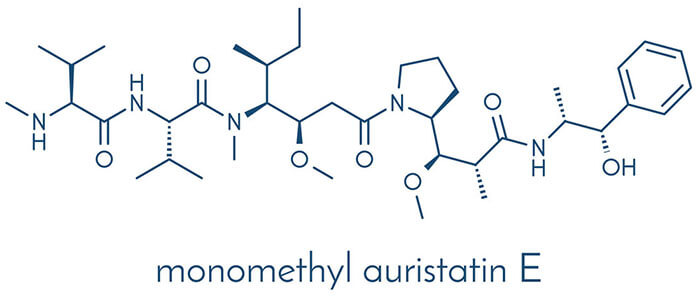
Applications: ADC drug analysis | Drug-to-antibody ratio (DAR) determination | In vivo metabolism analysis
Pharmacokinetics (PK) Research
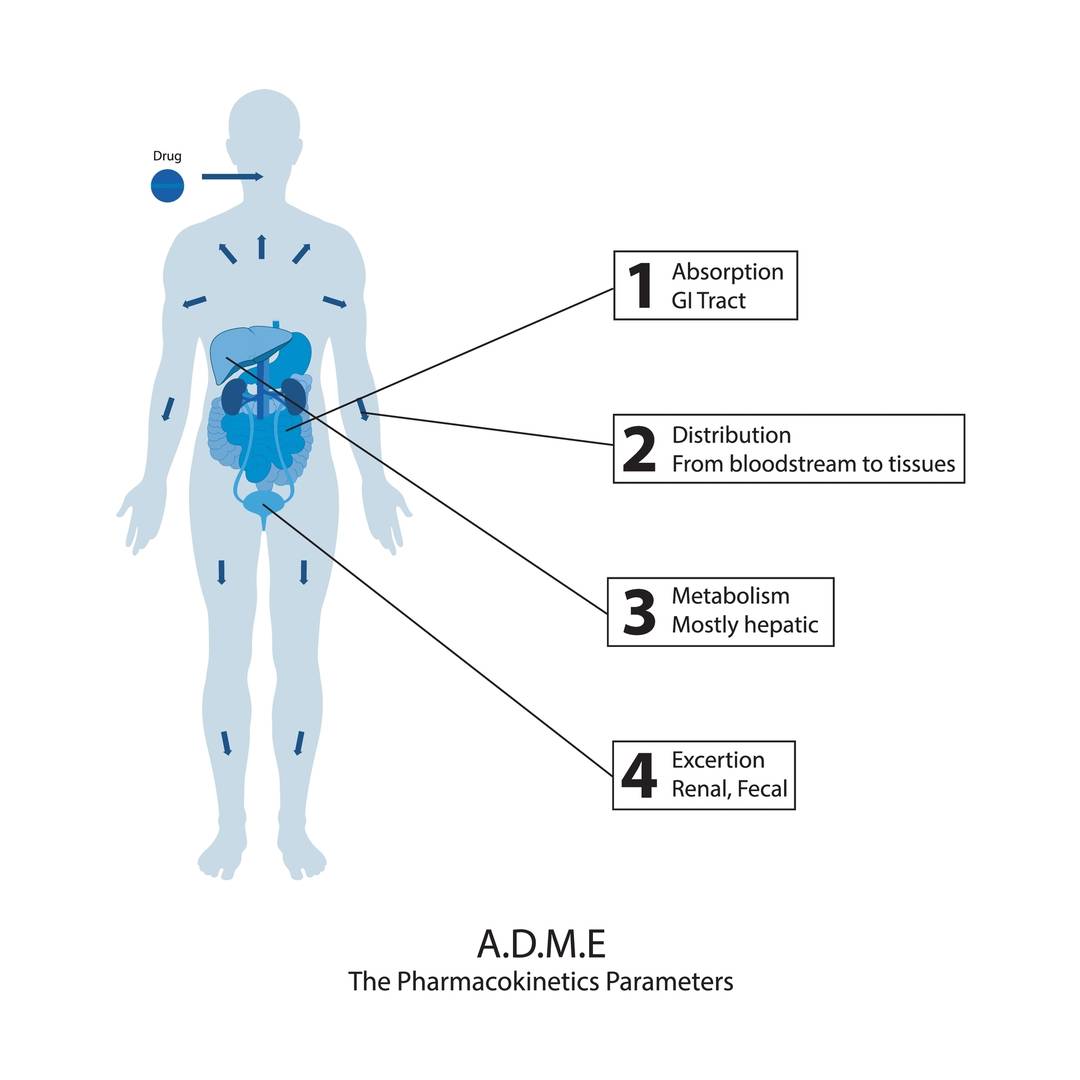
PK studies focus on the absorption, distribution, metabolism, and excretion (ADME) of drugs in the body. PK research provides crucial data for clinical dosing strategies, drug safety assessments, and optimization of administration regimens. Key PK parameters include drug half-life, maximum concentration (Cmax), time to peak concentration (Tmax), and total drug exposure (AUC).
Immunogenicity Assessment
Immunogenicity assessment evaluates the potential of a drug—especially large-molecule drugs like monoclonal antibodies and vaccines—to induce immune responses in patients. ADA formation can neutralize drug activity and cause adverse immune reactions. Immunogenicity assessment helps researchers predict immune response risks and ensure drug safety and efficacy in different patient populations.
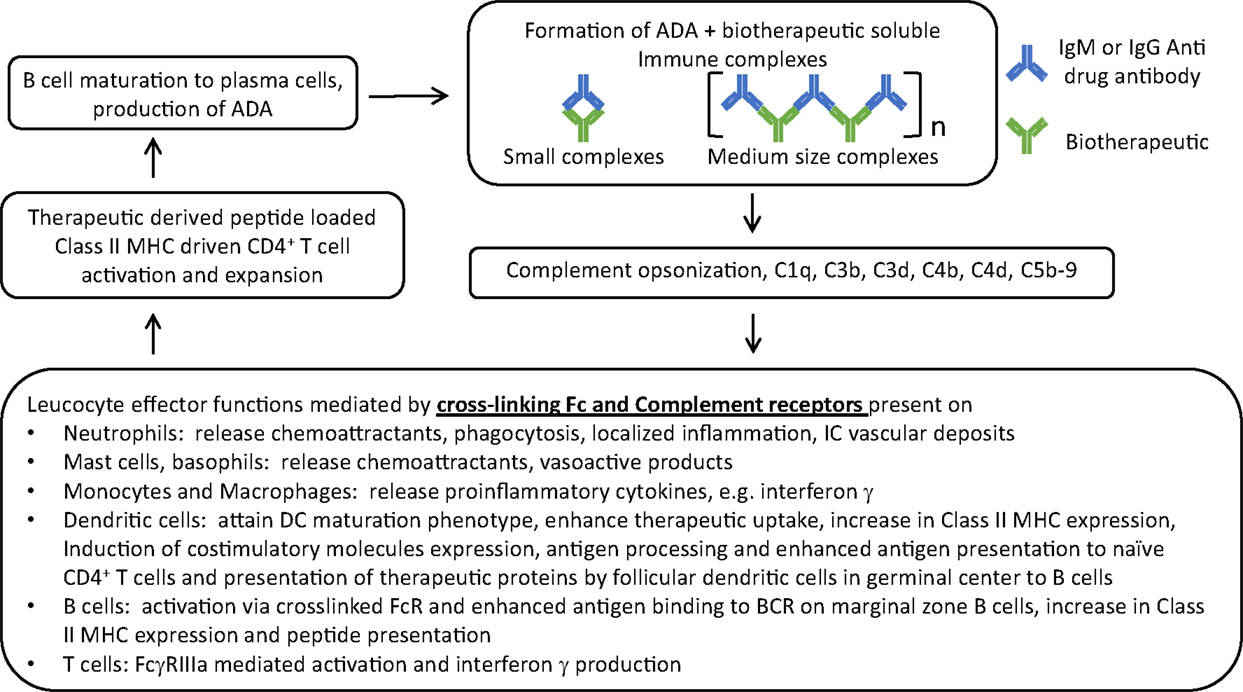 Figure 1. Immune Complexes Formed by Biotherapeutics and ADA in the Immune System (Source: Krishna M, et al. 2016)
ADC (Antibody-Drug Conjugate) Analysis
ADC analysis focuses on drug structure, stability, release mechanisms, conjugation efficiency, immunogenicity, and in vivo metabolism and distribution. Ensuring precise drug delivery, monitoring efficacy, and minimizing immune response risks are critical for ADC drug development and clinical application.
 Figure 2: Mechanism of Action of Antibody-Drug Conjugates (ADCs) (Source: Peters C, Brown S.2015)
Product News | Biologic Drug | PK & ADA research
Biological Drug ADA/PK Analysis
Anti-MMAE (Monomethyl auristatin E) Antibodies and MMAE Conjugates: For PK/PD Studies on MMAE-ADC
Recombinant Hirudin Antigen for PK/PD Studies
Troubleshooting
Experimental Protocol Guide
Peptide Drug PK/ADA Assay Development
An Efficient Tool for ADA Analysis of Peptide Drugs - Exendin-4 (Exenatide®) - ADA ELISA
Brochures DownLoad: Evaluation of PEGylated Therapeutic Biologics
Service
Anti-Drug Antibodies Assay Development Service
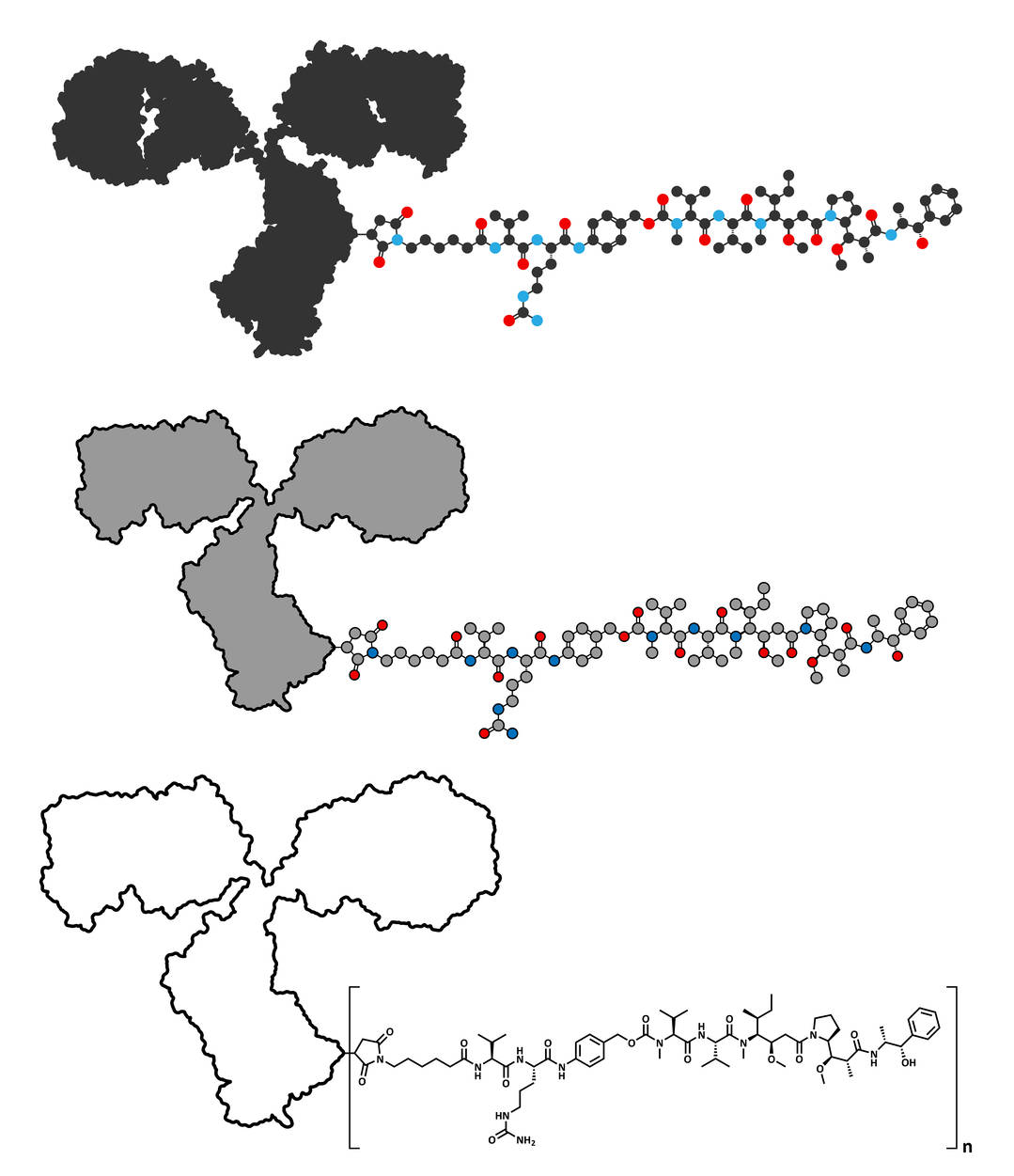
High Sensitivity & Specificity: Optimized antibodies and detection systems ensure accuracy
Compatible with Complex Matrices (Serum/Plasma): Reducing matrix interference and enhancing data reliability
Validated Assay Solutions: Widely applied in biologic drug development & immunoassays
Comprehensive Technical Support: Detailed protocols & expert consultation
Support
Contact us for free technical consultation & customized solutions. We offer fast ordering & professional support to accelerate your biologic drug research.
Get a Quote for ELISA Kits Today!
References
Loading ......
