
Inquiry Basket
 Loading ......
In the field of gene therapy, the emergence of chimeric AAV vectors has brought new hope for the treatment of various diseases. This innovative viral vector design not only overcomes the limitations of a single AAV serotype but also provides a more flexible and efficient tool for gene therapy.
Optimization of Tissue Tropism
Different AAV serotypes exhibit varying tissue tropism. The creation of chimeric AAV vectors through the combination of capsid protein regions from various serotypes enables specific tissue targeting while minimizing infections in non-target tissues. AAV2 targets the liver naturally but achieves low transduction efficiency while AAV8 shows exceptionally high liver transduction efficiency. Researchers engineer chimeric AAV vectors by merging parts of capsid proteins which combine the stable properties of AAV2 with AAV8's high transduction efficiency.
Immune Evasion
AAV's immunogenic response remains a significant barrier to its clinical use. Chimeric AAV vectors achieve immune system evasion through the combination of functional protein regions from different serotypes to modify their antigenic identity. The design reduces neutralizing antibody attachment and diminishes immune reactions while supporting multiple treatment cycles.
Expanded Application Scope
Chimeric AAV vector design broadens AAV application possibilities while providing enhanced therapeutic adaptability. Researchers have the ability to customize these vectors to target distinct tissues or cell types which enables simultaneous targeting of multiple organs and cell types.
Identification of Functional Regions
Researchers can determine essential functional areas of capsid proteins from various serotypes through the application of structural biology paired with functional studies. The fourth loop region of the capsid protein determines the liver-specific targeting behavior of AAV8.
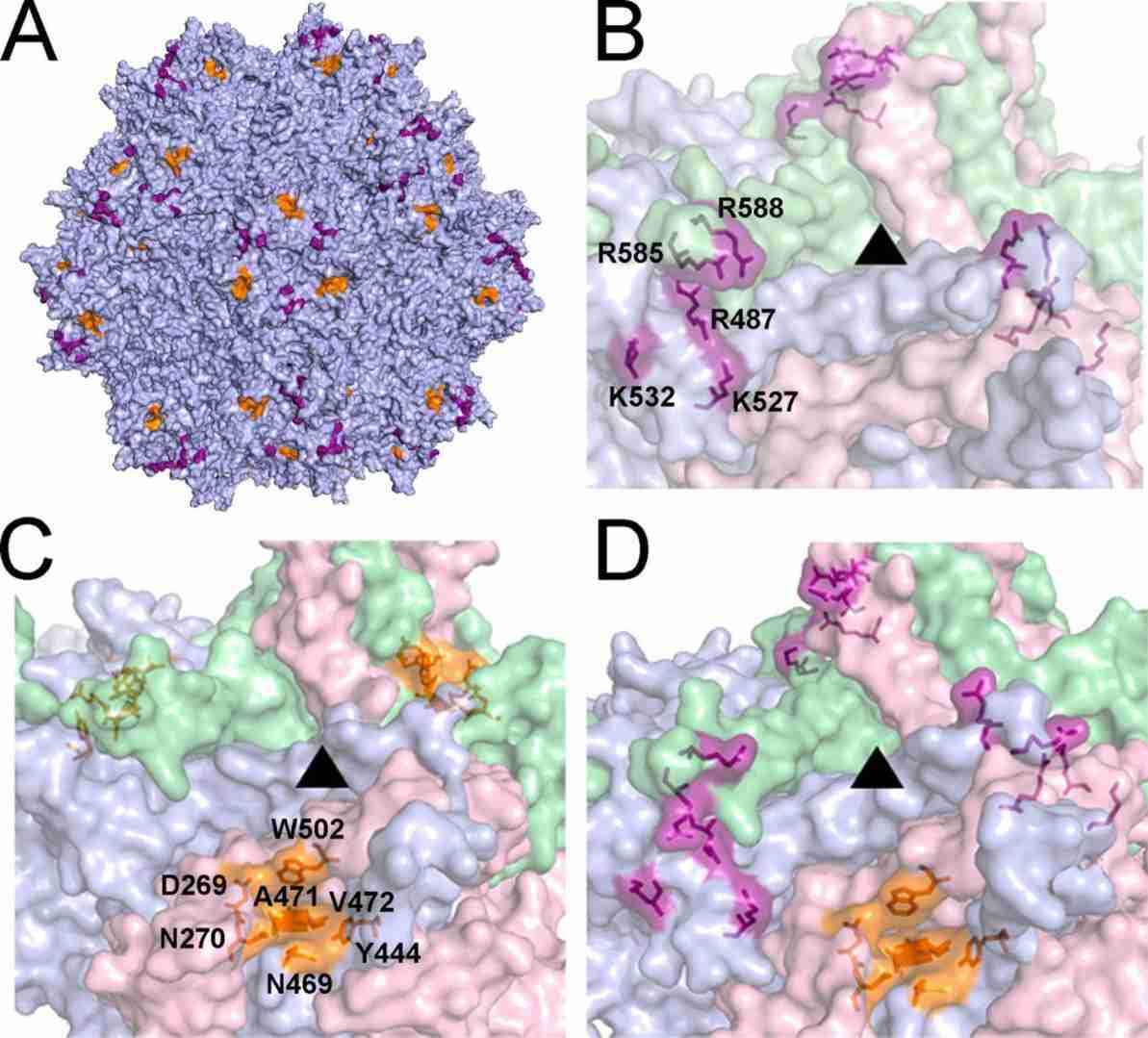 Figure 1. Three-dimensional models of the dual glycan-binding AAV2G9 chimera and its parental strains AAV2 and AAV9 (Source: Shen S, et al., 2013)
In Vitro and In Vivo Experiments
The transduction efficiency and tissue tropism of chimeric AAV vectors undergo testing through cell-based assays and animal model studies.
Immune Response Evaluation
Researchers evaluate chimeric AAV vectors' immune evasion capabilities through an in vivo assessment of the immune response they trigger.
Rational Design
An in-depth comprehension of AAV structure and function enable scientists to synthesize chimeric AAV vectors by merging functional regions of capsid proteins from various serotypes. The creation of the AAV2/8 chimeric vector emerges from the insertion of the fourth loop region of AAV8 into the AAV2 capsid.
Directed Evolution
Through the replication of natural evolutionary processes researchers create experimental conditions that help identify capsid variants which demonstrate beneficial properties. The generation of highly diverse AAV capsid libraries through error-prone PCR, random peptide display, and family DNA shuffling enables researchers to select chimeric AAV vectors with superior tissue-specific transduction efficiency.
Modular Platform Approach
Leucine zipper modifications provide modular platforms that facilitate the incorporation of external peptides and proteins into AAV capsids to create specific non-covalent heterodimers which extend vector capabilities.
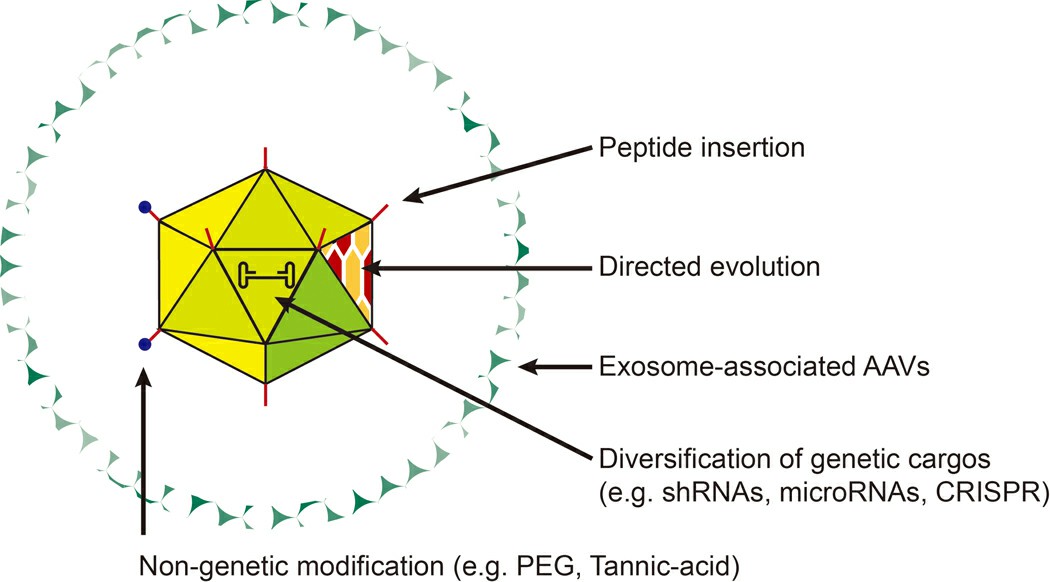 Figure 2. New technologies driving the next generation of AAV gene therapy. (Source: Oh JG, Ishikawa K., 2019)
Immunogenicity
AAV demonstrates low immunogenicity yet existing antibodies that neutralize AAV in patients may compromise treatment effectiveness.
The administration of high-dose AAV vectors could cause liver toxicity or mild immune responses which requires precise dose management during therapeutic development.
Genomic Integration
AAV vectors typically exist as episomal DNA within host cells which minimizes their risk of integrating into the genome.
At excessive doses a small percentage of integration occurs which could theoretically lead to gene mutations or increased cancer risk but this remains unlikely.
Dose-Dependent Risks
Production Purity
The presence of contaminating proteins or pathogen-associated molecular patterns within impure AAV preparations can trigger immune system activation leading to excessive inflammatory responses and other adverse effects.
A comprehensive approach is necessary to reduce potential risks while enhancing the effectiveness of chimeric AAV vectors for gene therapy.
The combination of AAV2 and AAV8 aims to utilize the advantageous features of both serotypes. AAV2 targets the liver by nature but displays relatively low transduction efficiency while AAV8 shows much higher transduction efficiency in the liver. Researchers developed a hybrid AAV vector by combining parts of their capsid proteins which maintains the stability of AAV2 along with the increased transduction capacity of AAV8.
The chimeric design results from an extensive knowledge of viral structure and function rather than being a basic combination.
Gene therapy faces the critical challenge of delivering treatments to specific tissues without affecting healthy ones. The combination of AAV2 and AAV8 vectors addresses this specific challenge. The AAV2i8 chimeric vector demonstrates high-efficiency transduction in both cardiac and skeletal muscle alongside a substantial reduction of liver tropism. The AAV2i8 chimeric vector stands out as an ideal treatment option for complex diseases because it targets multiple organs.
The ability to evade the immune system is a key advantage of AAV2/8 chimeric vectors. Clinical use of AAV faces limitations because of its immunogenic nature. The immune system's ability to detect and eliminate AAV vectors decreases their therapeutic effectiveness and triggers harmful responses. Through the recombination of specific regions from AAV2 and AAV8 capsid proteins scientists achieve a change in the vector's antigenic profile which helps it avoid immune detection.
The hybrid AAV2/8 vector shows enhanced capabilities to avoid immune detection. The chimeric vector lowers immune system activation while simultaneously decreasing neutralizing antibody binding. The improved properties of this vector make it better for repeated doses and treatment in settings sensitive to immune responses.
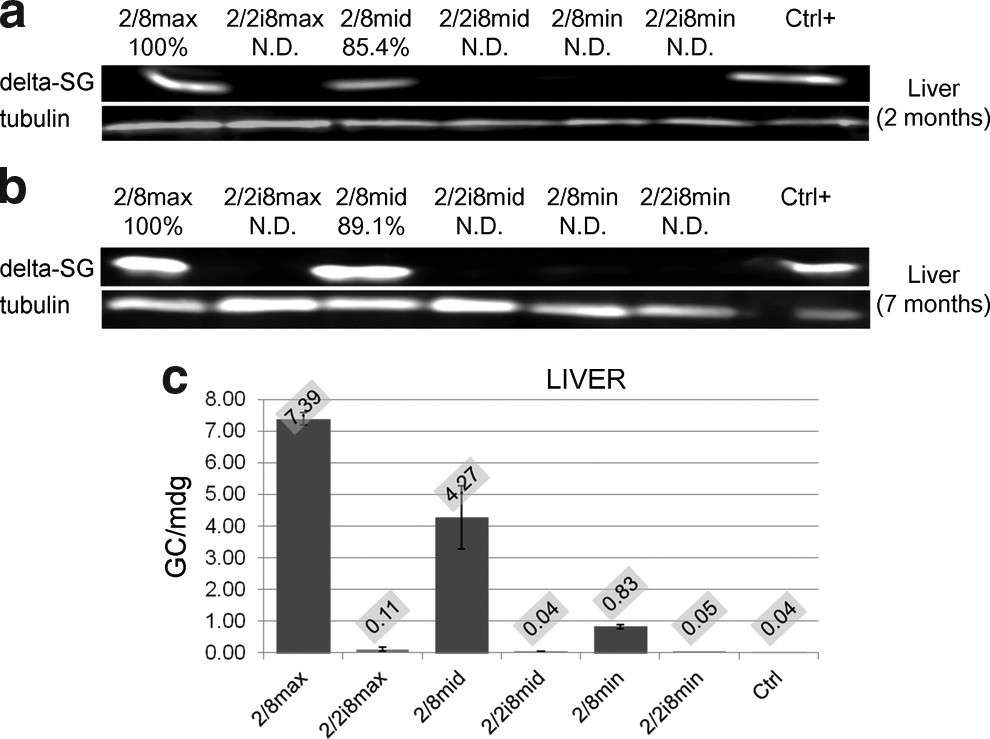 Figure 3. AAV28 and AAV22i8 transduction to liver (a) DSG expression in liver (b) DSG expression in liver (c) AAV genome copies in liver (Source: Rotundo IL, et al., 2013)
The combination of AAV2 and AAV8 represents more than just enhanced viral vectors because it leads to the development of a gene therapy tool with greater flexibility and efficiency. The AAV2/8 chimeric vectors have been utilized in hemophilia therapy to transport clotting factor genes. They have achieved remarkable success in clinical trials because of their high transduction efficiency and low immunogenicity.
The AAV2/8 chimeric vector demonstrates versatility that earns it the title of the "Swiss Army knife" of gene therapy. The design of chimeric vectors resolves traditional AAV limitations and creates treatment options for complex diseases. The design of this system demonstrates thorough knowledge of viral structure and function while emphasizing patient needs.
The creation of chimeric AAV vectors seeks to enhance viral vector capabilities while addressing the limitations present in single serotypes. This methodology solves traditional AAV vector problems and creates an advanced platform for gene therapy development.
References
| Target | Cat. No. | Product Name | Size | Species | Application | Detection Sample | |
| AAV2 | DEIA589 | AAV2 Titration ELISA Kit | 96T | N/A | Quantitative | cell culture supernatants and purified virus preparations | Inquiry |
| AAV5 | DEIAAV5 | AAV5 titration ELISA kit | 96T | N/A | Quantitative | cell culture supernatants and purified virus preparations | Inquiry |
| AAV6 | DEIAAV6 | AAV6 Titration ELISA Kit | 96T | N/A | Quantitative | cell culture supernatants and purified virus preparations | Inquiry |
| AAV8 | DEIAAV8 | AAV8 Titration ELISA Kit | 96T | N/A | Quantitative | cell culture supernatants, purified virus preparations | Inquiry |
| AAV9 | DEIAAV9 | AAV9 Titration ELISA Kit | 96T | N/A | Quantitative | cell culture supernatants, purified virus preparations | Inquiry |
Loading ......
