
Inquiry Basket
 Loading ......
The complement system is essential to the body's immunological defense because it helps recognize pathogens, activate the immune system, and control abnormal immune responses. Important elements of the complement system are complemented protein C5 and its cleavage product C5a, which function as strong immune mediators and possible causes of severe inflammation. Complement activation causes C5 to be cleaved to produce C5a, which then binds to its receptor, C5aR (CD88), mediating a number of immunological responses, such as immune cell activation, enhanced vascular permeability, and cell chemotaxis. Nevertheless, a number of illnesses, including sepsis, rheumatoid arthritis, and systemic lupus erythematosus (SLE), can result from excessive C5a production or poor regulation.
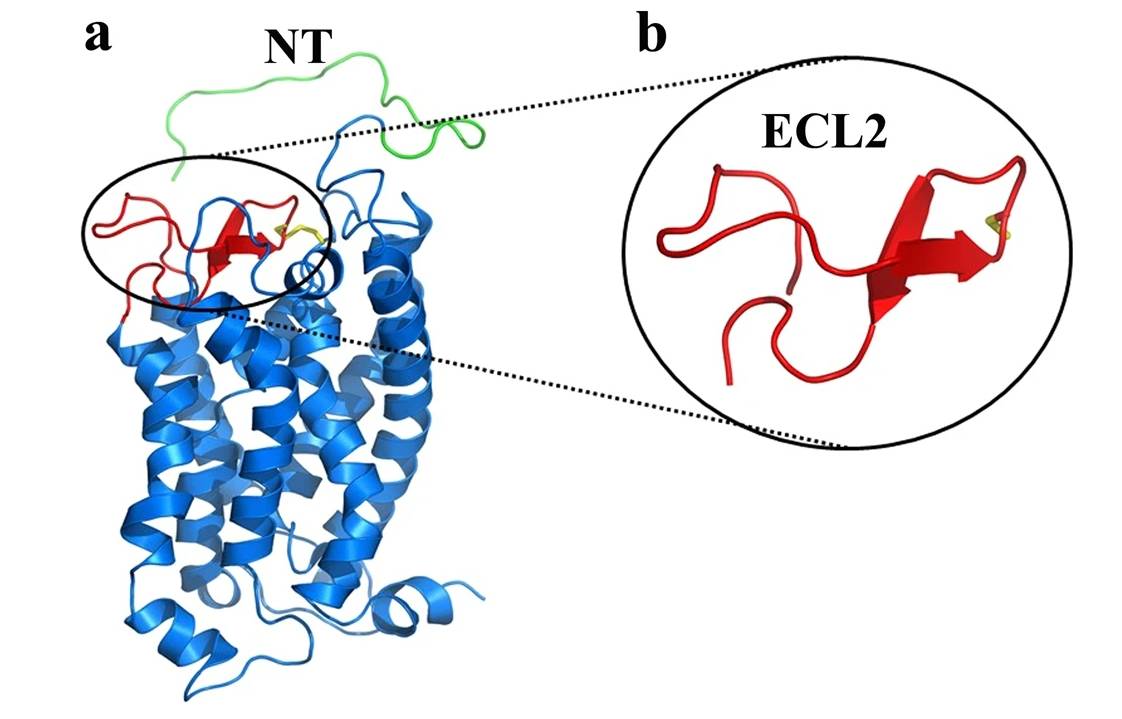 Figure 1. Topology model of C5aR
(Source: Sahoo AR, et al., 2018)
C5 is primarily produced in the liver, but other cells, such as macrophages, can also synthesize and secrete C5, potentially serving as local sources of C5a. C5a is a potent chemotactic factor and inflammatory mediator that activates various immune cells, including neutrophils and macrophages, through its interaction with C5aR. C5a's functions are not limited to early innate immune responses; it also participates in later immune processes, such as enhanced phagocytosis, respiratory burst, and the release of inflammatory cytokines.
While C5a is essential for pathogen defense, its excessive production can lead to pathological inflammation. For instance, overproduction of C5a in sepsis can cause immune dysregulation, weakening the host's immune defense and exacerbating the condition. Similarly, in chronic inflammatory diseases like rheumatoid arthritis and SLE, sustained activation of C5a may contribute to disease progression and tissue damage.
Tight regulation of the complement system is in place to avoid tissue injury and overactivation. Decay-accelerating factor (CD55), one of the regulatory proteins, is essential for preventing complement activation. In order to keep the complement system in balance and avoid the overabundance of anaphylatoxins like C5a, CD55 speeds up the breakdown of C3 and C5 convertases. Numerous cells, particularly tumor cells, have high expression levels of CD55, which inhibits non-specific cell injury and the over-activation of the complement cascade.
Overexpression of CD55, however, occasionally has the potential to impede the immune system's capacity to identify and eradicate tumor cells. For example, research has demonstrated that the expression of CD55 inhibits the release of C5a in models of ovarian and breast cancer, hence decreasing the effect of antibody-dependent cellular cytotoxicity (ADCC) against malignancies. This demonstrates the intricate function that complement plays in tumor immunity, since complement activation can encourage tumor growth through immune suppression as well as aid in the removal of tumors.
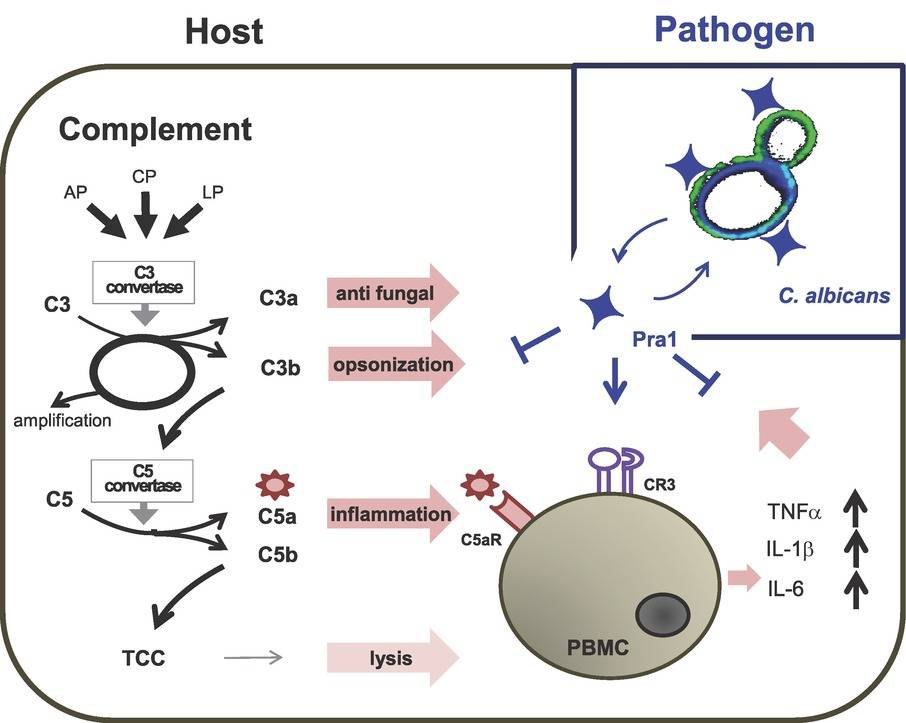 Figure 2. Major pathways of complement activation
(Source: Zipfel PF, et al., 2012)
C5a serves two distinct roles in cancer. According to research, C5a may have anti-tumor effects by activating macrophages and neutrophils, increasing their ability to engulf and destroy tumor cells. It also improves immune cell activity within tumors by promoting the release of cytokines that produce inflammation. However, C5a has the ability to attract myeloid-derived suppressor cells (MDSCs), which inhibit CD8+ T cell anti-tumor activity and so increase tumor growth.
The biological effect of C5a in the tumor microenvironment is largely determined by its concentration. High levels of C5a tend to enhance immune suppression and accelerate tumor growth, while low levels may inhibit tumor progression by modulating immune cell infiltration and activation. This concentration-dependent effect suggests that targeting C5a and its associated pathways could be a potential strategy for future cancer immunotherapies.
In addition to its pivotal role in peripheral immunity, C5a also plays an important role in the central nervous system (CNS). C5a, produced by complement activation, can act on neurons and glial cells through its receptor CD88, regulating neuroinflammatory responses. C5a is thought to be involved in the pathology of neurodegenerative diseases such as Alzheimer's disease and multiple sclerosis. These diseases are characterized by persistent complement activation in neural tissues, accompanied by C5a generation and local immune dysregulation.
However, the role of C5a in the CNS remains controversial. On the one hand, C5a's pro-inflammatory effects may exacerbate neuroinflammation and accelerate disease progression. On the other hand, the complement system may provide neuroprotection by clearing aggregated proteins and debris. Thus, the regulatory role of C5a in the CNS depends on its activation level, the local tissue environment, and specific pathological conditions.
The complement system is closely linked to various autoimmune diseases, particularly in conditions like rheumatoid arthritis, SLE, and Sjögren's syndrome, where complement overactivation can trigger pathological immune responses. In these diseases, complement proteins such as C5 and C5a are involved in immune complex formation and localized tissue inflammation, leading to chronic tissue damage.
The classical activation pathway of the complement system is triggered by antibody-antigen binding, while the alternative pathway is initiated by pathogen surface molecules. Regardless of the activation pathway, the complement cascade ultimately converges on the cleavage of C3 and C5, releasing anaphylatoxins like C5a that drive downstream immune and inflammatory responses. Dysregulation of complement control mechanisms can lead to excessive tissue inflammation. For example, in rheumatoid arthritis, excessive C5a release is closely associated with synovial inflammation and joint destruction.
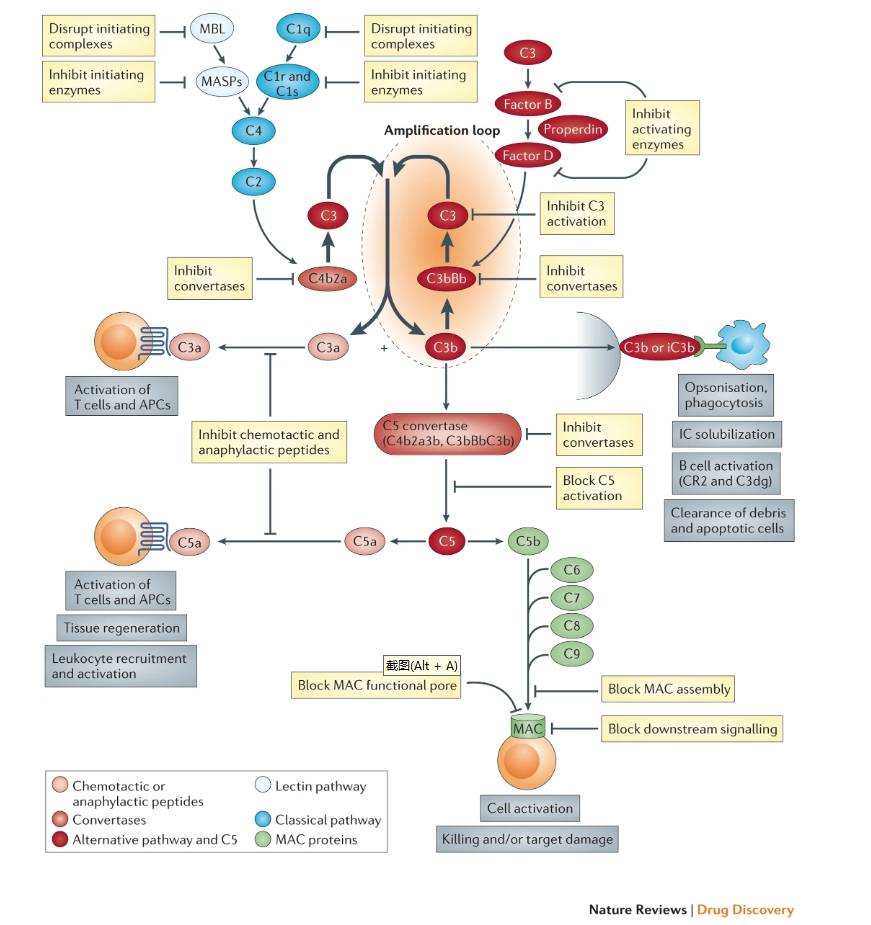 Figure 3. Inhibition targets of the complement pathway
(Source: Morgan B, et al., 2015)
Because C5a plays a critical role in immune-mediated and inflammatory disorders, C5a receptor antagonists have gained attention as possible treatment options. These antagonists significantly lessen complement-mediated tissue damage and inflammation by preventing the connection between C5a and its receptor. Research has demonstrated that in illness models including rheumatoid arthritis, sepsis, and inflammatory bowel disease, C5aR antagonists have important therapeutic effects.
In conclusion, both innate and adaptive immunity depend on the intricate roles played by the complement system, especially C5 and C5a. Although C5a is necessary for immune protection, pathological inflammation and illness can result from overactivating it. Consequently, approaches that focus on controlling the complement system—particularly C5a and its receptor—have enormous potential for use in therapeutic settings.
References
| Target | Cat. No. | Product Name | Size | Species Reactivity | Application | Detection Sample | |
| C5 | DEIA-BJ408 | Human TCC C5b-9(Terminal Complement Complex C5b-9) ELISA Kit | 96T | Human | Quantitative | Serum, plasma, tissue homogenates, other biological fluids | Inquiry |
| DEIA-BJ2915 | Monkey C5b-9(Terminal Complement Complex C5b-9)ELISA Kit | 96T | Monkey | Quantitative | Serum, plasma, tissue homogenates and other biological fluids. | Inquiry | |
| ABPR-ZB306 | Human C5a Antibody Pair Set | 5 Plates, 15 Plates | Human | sELISA | Inquiry | ||
| DEIA3243 | Human C5(Complement C5) ELISA Kit | 96T | Human | Quantitative | Serum, plasma, tissue homogenates and other biological fluids | Inquiry | |
| DEIA1748 | Human C5a ELISA Kit | 96T | Human | Quantitative | serum, plasma, tissue homogenates and other biological fluids | Inquiry | |
| DEIA-CL029 | Human C5b-9 ELISA kit | 5 plates | Human | Quantitative | serum, plasma, other biological samples | Inquiry | |
| DEIA-CL027 | Mouse TCC C5b-9 (Terminal Complement Complex C5b-9) ELISA Kit | 96T | Quantitative | serum, plasma, tissue homogenates, biological fluids | Inquiry | ||
| DEIA-CL028 | Rat Terminal Complement Complex (C5B-9) ELISA Kit | 48T, 96T | Quantitative | Plasma | Inquiry | ||
| DEIA-BJ2734 | Guinea pig Terminal complement complex C5b-9 ELISA Kit | 96T | Quantitative | Serum, plasma, cell culture supernatants, body fluid and tissue homogenate | Inquiry | ||
| DEIA-BJ2847 | Porcine Terminal complement complex C5b-9 ELISA Kit | 96T | Quantitative | Serum, plasma, cell culture supernatants, body fluid and tissue homogenate | Inquiry | ||
| DEIA-BJ2881 | Canine Terminal complement complex C5b-9 ELISA Kit | 96T | Canine | Quantitative | Serum, plasma, cell culture supernatants, body fluid and tissue homogenate. | Inquiry | |
| DEIA-BJ2613 | Mouse C5(Complement C5) ELISA Kit | 96T | Mouse | Quantitative | Serum, plasma, tissue homogenates and other biological fluids | Inquiry | |
| C5a | DEIA-BJ2402 | Mouse Complement fragment 5a ELISA Kit | 96T | Quantitative | Serum, plasma, cell culture supernatants, body fluid and tissue homogenate | Inquiry | |
| DEIA-BJ2893 | Monkey Complement fragment 5a ELISA Kit | 96T | Quantitative | Serum, plasma, cell culture supernatants, body fluid and tissue homogenate | Inquiry |
| Target | Cat. No. | Product Name | Tag/Conjugate | Application | |
| C5 | DAG4667 | Human C5 Protein | KLH | N/A | Inquiry |
| DAG4668 | Human C5a Anaphylatoxin | KLH | N/A | Inquiry | |
| DAG4669 | Human C5a desArg Anaphylatoxin | KLH | N/A | Inquiry | |
| DAG-P0270 | C5 peptide | KLH | ELISA | Inquiry | |
| DAG-P0272 | C5 peptide | KLH | ELISA | Inquiry | |
| DAG-P0273 | Human C5 peptide | KLH | ELISA | Inquiry | |
| DAG-P0274 | Human C5 peptide | KLH | ELISA | Inquiry | |
| C5b,6 Complex | DAG4670 | Human C5b, 6 | KLH | N/A | Inquiry |
| Target | Cat. No. | Product Name | Size | Application | Detection Sample | |
| C5AR1 | DEIA-XYA367 | CD88/C5aR ELISA Kit | 96T | Qualitative | cultured cells | Inquiry |
| DEIA-XYA368 | CD88/C5aR (Phospho-Ser338) ELISA Kit | 2 x 96T | Qualitative | cultured cells | Inquiry |
| Target | Cat. No. | Product Name | Host | Isotype | Application | |
| C5AR1 | DMABT-H18634 | Anti-C5AR1 monoclonal antibody, clone 3I6 [APC] | Mouse | IgG2a | IF, FC | Inquiry |
| CABT-26596RM | Anti-C5AR1 monoclonal antibody, clone 20/03 [Biotin] | Rat | IgG2a | FC, IHC-Fr | Inquiry | |
| CABT-46855MR | Anti-C5AR1 monoclonal antibody, clone R63 [R-PE] | Mouse | IgG1 | FC | Inquiry | |
| CABT-46851RM | Anti-C5AR1 monoclonal antibody, clone 20/70 [R-PE] | Rat | IgG2b | FC | Inquiry | |
| CABT-46828MH | Anti-C5AR1 monoclonal antibody, clone P12/1 [FITC] | Mouse | IgG2a | FC | Inquiry | |
| CABT-L3328 | Rabbit Anti-Human C5AR1 (Phospho-Ser338) polyclonal antibody | Rabbit | IgG | IHC, ELISA | Inquiry | |
| CABT-46821MH | Magic™ Anti-CD88 (Phospho S332, 334, 338) monoclonal antibody, clone 32-G1 | Mouse | IgG1 | Inquiry | ||
| CABT-L3174 | Mouse Anti-Human Complement Component C5a R1 monoclonal antibody, clone 458325 | Mouse | IgG2a | FC, Neut | Inquiry | |
| DPAB-DC3140 | Anti-C5AR1 (aa 241-350) polyclonal antibody | Mouse | WB, ELISA | Inquiry | ||
| C5AR2 | DPABH-05586 | Anti-C5AR2 (aa 297-325) polyclonal antibody | Rabbit | IgG | WB | Inquiry |
| Target | Cat. No. | Product Name | Expression System | |
| C5AR1 | DAG-WT1427 | Recombinant Human C5AR VLP | HEK293 cells | Inquiry |
| C5AR2 | DAG-WT1428 | Recombinant Human C5AR2 VLP | HEK293 cells | Inquiry |
Loading ......
