Suitable for use in ELISA, WB and IF. Each laboratory should determine an optimum working titer for use in its particular application. Other applications have not been tested but use in such assays should not necessarily be excluded.
Target
Alternative Names
T7 RNA Polymerase; RNA Polymerase
Citations
Publication ()
Have you cited CABT-B8990 in a publication? Let us know and earn a reward for your research.
Detection of residual T7 RNA polymerase used in mRNA in vitro transcription by Simple Western
Applications: IF Reactive species: Unspecified reactive species
"Abstract: Therapeutic messenger RNA (mRNA) has been demonstrated as a scalable and versatile vaccine platform for the rapid development and manufacture of new vaccine candidates. mRNA is synthesized enzymatically through in vitro transcription (IVT) using bacteriophage T7 RNA polymerase (T7 RNAP), a 99 kDa protein with high binding affinity for the promoter sequence and a low error rate. Post-IVT, mRNA is purified to remove impurities, but if T7 RNAP is insufficiently cleared, undesirable clinical side effects may result. Therefore, it is important to quantitate T7 RNAP concentrations in IVT and process intermediates to understand clearance during downstream purification. A high-throughput T7 RNAP assay was developed using Simple Western (SW), a capillary immunoassay technology, to quantitate concentrations as low as 5.3 ng/mL with good precision and accuracy. Compared to existing T7 RNAP immunoassays or total protein assays such as bicinchoninic acid assays or Bradford, the SW T7 RNAP assay is specific to T7 RNAP, requires <10 µL of sample volume, and consists of minimal sample handling and hands-on time. This work highlights the development and optimization of a highly sensitive and robust T7 RNAP quantitation assay using the SW platform." Article snippet: Various anti-T7 RNAP primary antibodies (***, and Cat. No. CABT-B8990) were purchased from Creative Diagnostics.
Figure 1. Simple Western electropherograms displaying chemiluminescent signal produced by anti-T7 RNA polymerase (T7 RNAP) primary antibodies at 10 µg/mL against a T7 RNAP at 2 µg/mL (expected molecular weight, Mw ~ 99 kDa).
Human Smc5/6 recognises transcription-generated positive DNA supercoils
Diman A, Panis G, Castrogiovanni C, Prados J, Baechler B, Strubin M
Applications: IF Reactive species: Rabbit
"Abstract: Beyond its essential roles in ensuring faithful chromosome segregation and genomic stability, the human Smc5/6 complex acts as an antiviral factor. It binds to and impedes the transcription of extrachromosomal DNA templates; an ability which is lost upon chromosomal DNA integration. How the complex distinguishes among different DNA templates is unknown. Here we show that, in human cells, Smc5/6 preferentially binds to circular rather than linear extrachromosomal DNA. We further show that this binding is unlikely due to differences in the chromatin composition. Instead, the transcriptional process, per se, and more specifically the accumulation of DNA secondary structures known to be substrates for topoisomerases, is responsible for Smc5/6 recruitment. Those findings, in conjunction with our genome-wide Smc5/6 binding analysis showing that Smc5/6 localizes at few but highly transcribe chromosome loci, reveal a previously unforeseen role of Smc5/6 in DNA topology management during transcription." Article snippet: For fixed-cell imaging, hTERT-RPE1 cells over-expressing HA-tagged version of Smc6 and either T7 RNA pol or Myc-NLS-vTop1B were grown onto acid-etched glass coverslips. Cells were fixed with 3.7% formaldehyde for 15min before permeabilization with 0.5% Triton X-100 for 15min followed by blocking for 1 h in PBS supplemented with 3% BSA. The final dilution of primary antibodies were 1:100 for antiT7 RNA Polymerase (Creative Diagnostics; CABT-B8990) and 1:10 for anti Myc-Tag (***).
Figure 1. Recognition of extrachromosomal DNA by Smc5/6 is transcription-dependent but does not require RNA polymerase II.
Improved mRNA affinity chromatography binding capacity and throughput using an oligo-dT immobilized electrospun polymer nanofiber adsorbent
Emily A Dewar, Peter Guterstam, David Holland, Susanna Lindman, Peter Lundbäck, Susana Brito Dos Santos, Sheng-Ching Wang, Andrew R Swartz
Journal of Chromatography A2024 FebPubMed ID: 38310705Read Article
Applications: WB Reactive species: Unspecified reactive species
"Abstract: Increased demand for mRNA-based therapeutics and improved in vitro transcription (IVT) yields have challenged the mRNA purification platform. Hybridization-affinity chromatography with an immobilized oligo-deoxythymidilic acid (oligodT) ligand is often used to capture mRNA through base pairing with the polyadenylated tail. Commercially available oligodT matrices include perfusive cross-linked poly(styrene-divinylbenzene) 50 µm POROS™ chromatography resin beads and convective polymethacrylate CIMmultus® monolithic columns consisting of 2 µm interconnected channels. POROS™ columns may be limited by poor mass transfer for larger mRNAs and slow flowrates, while monoliths can operate at higher flowrates but are limited by modest binding capacity. To enable both high flowrates and binding capacity for mRNA of all lengths, prototype chromatography media was developed by Cytiva using oligodT immobilized electrospun cellulose nanofibers (Fibro™) with a 0.3-0.4 µm pore size." Article snippet: The working concentration of rabbit anti-T7 RNA polymerase (Creative Diagnostics, NY) was 0.25 µg/mL.
Figure 1. OligodT elution fraction analysis by T7 western detecting trace amount of the impurity T7 RNA polymerase.
Transcription, mRNA Export, and Immune Evasion Shape the Codon Usage of Viruses
Christine Mordstein, Laura Cano, Atahualpa Castillo Morales, Bethan Young, Alexander T Ho, Alan M Rice, Michael Liss, Laurence D Hurst, Grzegorz Kudla
Genome Biology and Evolution2021 SepPubMed ID: 33988683Read Article
Applications: IF Reactive species: Unspecified reactive species
"Abstract: The nucleotide composition, dinucleotide composition, and codon usage of many viruses differ from their hosts. These differences arise because viruses are subject to unique mutation and selection pressures that do not apply to host genomes; however, the molecular mechanisms that underlie these evolutionary forces are unclear. Here, we analyzed the patterns of codon usage in 1,520 vertebrate-infecting viruses, focusing on parameters known to be under selection and associated with gene regulation. We find that GC content, dinucleotide content, and splicing and m6A modification-related sequence motifs are associated with the type of genetic material (DNA or RNA), strandedness, and replication compartment of viruses. In an experimental follow-up, we find that the effects of GC content on gene expression depend on whether the genetic material is delivered to the cell as DNA or mRNA, whether it is transcribed by endogenous or exogenous RNA polymerase, and whether transcription takes place in the nucleus or cytoplasm. Our results suggest that viral codon usage cannot be explained by a simple adaptation to the codon usage of the host—instead, it reflects the combination of multiple selective and mutational pressures, including the need for efficient transcription, export, and immune evasion." Article snippet: Samples were blocked with 1%BSA, 0.01%Triton- X-100 in PBS for 1 h before incubating with anti-T7 polymerase antibody (Creative Diagnostics, CABT-B8990) at 1:100 in blocking buffer for 1 h.
Figure 1. Immunofluorescence staining of HeLa cells transiently expressing either T7 polymerase (top row, left panel) or T7 polymerase with a nuclear localization signal.
Background
T7 RNA polymerase (T7 RNAP), the main gene product of T7 phage, was first isolated from Escherichia coli cells infected by bacteriophage T7 in 1970. It is one of the simplest enzymes for RNA synthesis and widely used in the synthesis of RNA molecules with synthetic modification and unnatural base pairs (UBP) for a variety of biotechnology and therapeutic applications because of its high specificity and transcriptional ability of a single subunit.
Figure 1. Application of T7 RNA polymerase in biological field (Source: Borkotoky S, et al. 2018)
T7 RNAP belongs to the single-subunit righthanded polymerase superfamily, which includes almost all replicative DNA polymerases, bacteriophage single-subunit RNA polymerases (RNAPs), mitochondrial RNAPs, and reverse transcriptases.
Figure 2. T7 RNA polymerase domain and subdomain and their respective roles in the process of transcription (Source: Borkotoky S, et al. 2018)
T7 RNAP has the following characteristics. (a) A single subunit enzyme compared with multi-subunit prokaryotic and eukaryotic RNA polymerase; (b) Highly specific for T7 promoter and has no affinity for unrelated DNA or even closely related T3 promoter; (c) Do not need any additional protein factors to help complete the complete transcription cycle; (d) The elongation efficiency is about 5 times faster than that of E. coli RNA polymerase and produces very long transcripts; (e) Transcriptional termination is performed only by type I and II termination signals and does not depend on the transcription termination factor of E. coli RNA polymerase. These characteristics increase the advantage of the enzyme, so it is widely used to express foreign genes under the control of T7 promoter in vivo and in vitro. Creative Diagnostics provides Anti-T7 RNA Polymerase polyclonal antibody to help you monitor expression, evaluate residual protein clearance, and assist in mRNA drug development.
1. Borkotoky S, et al. The highly efficient T7 RNA polymerase: A wonder macromolecule in biological realm. Int J Biol Macromol. 2018 Oct 15;118(Pt A):49-56.
2.Oh J, et al. Structural basis of transcription recognition of a hydrophobic unnatural base pair by T7 RNA polymerase. Nat Commun. 2023 Jan 13;14(1):195
A: We recommend 1 ug/mL working concentration in WB
Q: Do you know what is Immunogen for CABT-B8990
A: Immunogen: T7 RNA Polymerase (DAG-WT297)
Customer Reviews
My Review for Rabbit Anti-T7 RNA Polymerase Polyclonal Antibody
Creative Diagnostics products are for RESEARCH USE ONLY, please make sure your review is research based.
Required fields are marked with *
Terms and conditions:
We will select high-quality review customers and offer a $30 coupon for your next purchase.
All product reviews must be submitted in the English language.
Creative Diagnostics will not share any personal information of applicants, and all information will be treated with strict confidentiality and will not be sold or disclosed to a third party.
References
The highly efficient T7 RNA polymerase: A wonder macromolecule in biological realm
The study of bacteriophage has always been of keen interest for biologists to understand the fundamentals of biology. Bacteriophage T7 was first isolated in 1945 and its first comprehensive genetic map of was published in 1969. Since then, it has gained immense attention of researchers and became a prime model system for experimental biologists. The major gene product of T7 phage, T7 RNA polymerase (T7RNAP), continues to attract researchers since a long time due to its high and specific processivity with a single subunit structure and its capability of transcribing a complete gene without additional proteins. Since the first review article in 1993 there has been around nine reviews on this polymerase till year 2009, most of which focussed on particular aspects of T7RNAP such as structure and function. However, this review encapsulates a broad view on T7RNAP, one of the simplest macromolecule catalyzing RNA synthesis, including recent updates on its applications, structure, activators and inhibitors. Thus this brief review bridges the huge gap on the recent updates on this polymerase and will help the biologists in their endeavours that include the use of T7RNAP.
Structural basis of transcription recognition of a hydrophobic unnatural base pair by T7 RNA polymerase
Nat Commun
Authors: Oh J, Kimoto M, Xu H, Chong J, Hirao I, Wang D.
Bacteriophage T7 RNA polymerase (T7 RNAP) is widely used for synthesizing RNA molecules with synthetic modifications and unnatural base pairs (UBPs) for a variety of biotechnical and therapeutic applications. However, the molecular basis of transcription recognition of UBPs by T7 RNAP remains poorly understood. Here we focused on a representative UBP, 7-(2-thienyl)-imidazo[4,5-b]pyridine (Ds) and pyrrole 2-carbaldehyde (Pa), and investigated how the hydrophobic Ds-Pa pair is recognized by T7 RNAP. Our kinetic assays revealed that T7 RNAP selectively recognizes the Ds or Pa base in the templates and preferentially incorporates their cognate unnatural base nucleotide substrate (PaTP or DsTP) over natural NTPs. Our structural studies reveal that T7 RNAP recognizes the unnatural substrates at the pre-insertion state in a distinct manner compared to natural substrates. These results provide mechanistic insights into transcription recognition of UBP by T7 RNAP and provide valuable information for designing the next generation of UBPs.

 COA
COA


 Loading ......
 Publication ()
 Figure 1. Simple Western electropherograms displaying chemiluminescent signal produced by anti-T7 RNA polymerase (T7 RNAP) primary antibodies at 10 µg/mL against a T7 RNAP at 2 µg/mL (expected molecular weight, Mw ~ 99 kDa).
  Figure 1. Recognition of extrachromosomal DNA by Smc5/6 is transcription-dependent but does not require RNA polymerase II.
 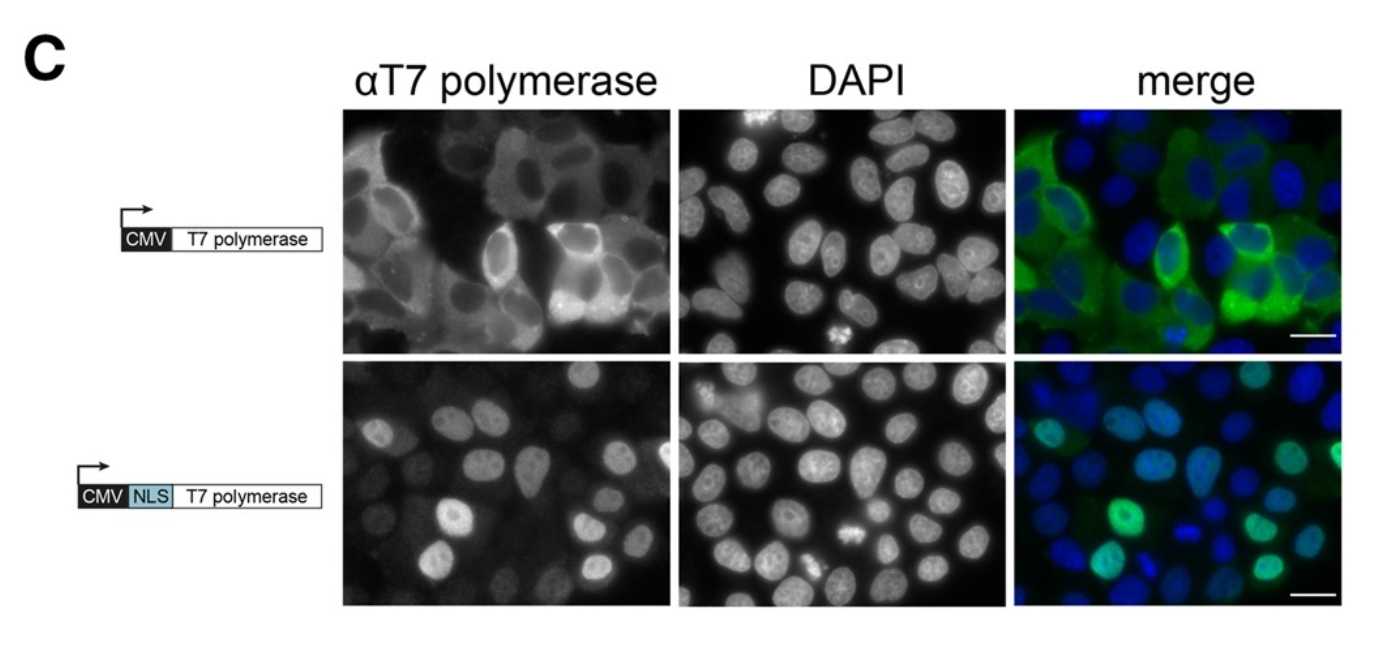 Figure 1. OligodT elution fraction analysis by T7 western detecting trace amount of the impurity T7 RNA polymerase.
  Figure 1. Immunofluorescence staining of HeLa cells transiently expressing either T7 polymerase (top row, left panel) or T7 polymerase with a nuclear localization signal.
  Figure 1. Application of T7 RNA polymerase in biological field
 Figure 2. T7 RNA polymerase domain and subdomain and their respective roles in the process of transcription
