

Inquiry Basket
 Loading ......
The term "PEG" has become common in product labels and scientific discussions within the rapidly advancing fields of modern medicine and cosmetics. Since PEG is a common component in medical and cosmetic products it is vital for consumers and patients to understand its definition and importance. PEG stands as a synthetic polymer made from multiple ethylene glycol segments. PEG functions as an indispensable substance in both pharmaceutical and skincare sectors because of its flexible properties and biological system compatibility. We will examine PEG's significance across different sectors along with its distinctive characteristics and its direct effect on your everyday products.
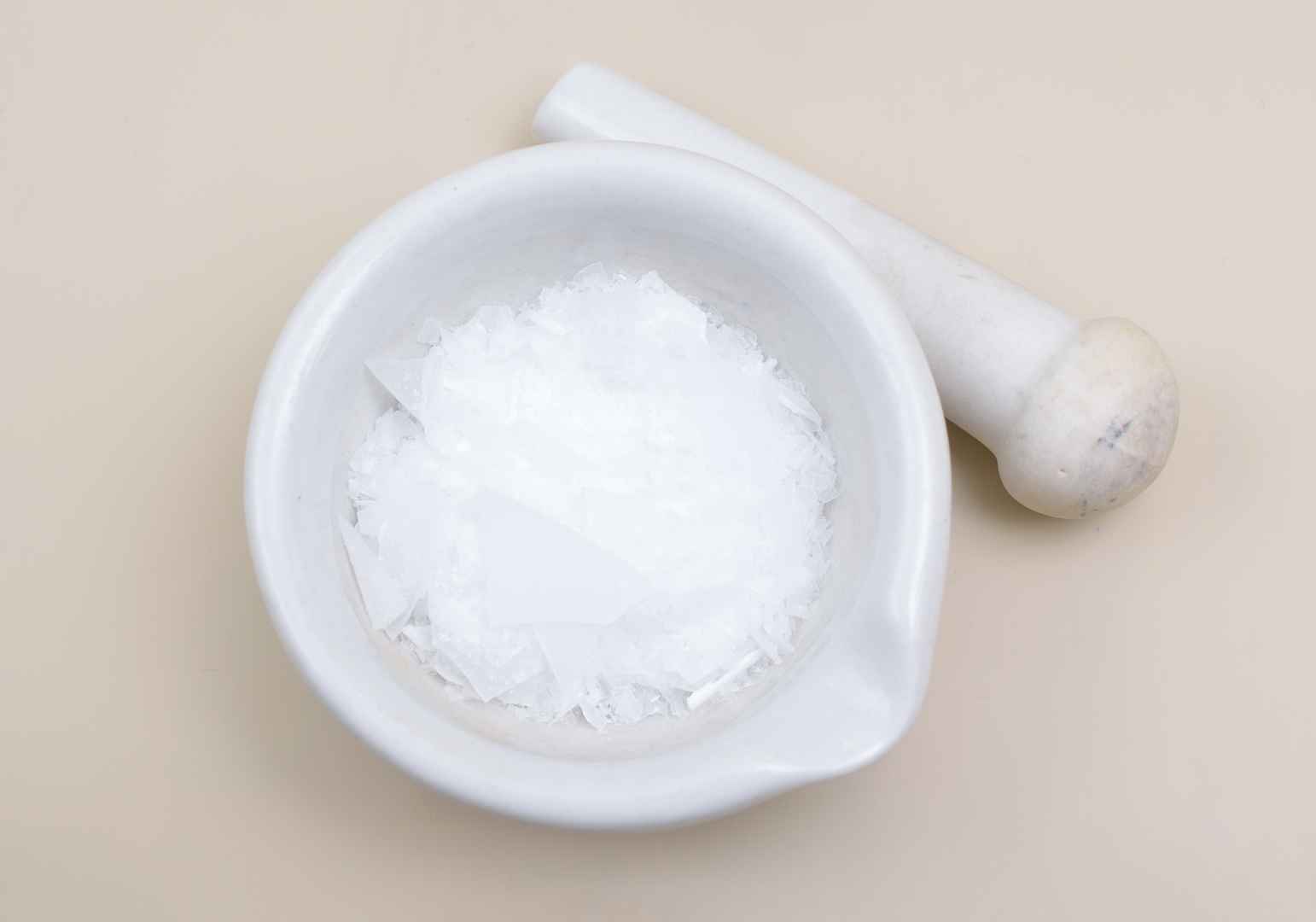
The synthesis of PEG requires controlled polymerization of ethylene oxide which produces polymer chains whose length determines their molecular weight for specific use cases. This molecular flexibility allows PEG to exist in various forms: Low molecular weight PEG variants exist as viscous liquids and high molecular weight PEG variants appear as waxy solids. The ideal nature of PEG for biomedical and cosmetic uses stems from its exceptional water solubility together with minimal toxicity and its resistance to protein adsorption.
For patients and healthcare providers, PEG's contributions to medicine are transformative. Here's how it shapes therapies you might encounter:
Revolutionizing Drug Delivery
PEG's ability to "cloak" drugs is its most celebrated medical application. Scientists produce extended-lasting therapeutics that escape immune detection by attaching PEG molecules to proteins, antibodies or nanoparticles. The attachment of PEG molecules to drugs allows cancer patients to receive more targeted tumor treatment with PEGylated doxorubicin which minimizes harm to healthy tissues. PEG-coated lipid nanoparticles served as key delivery vehicles for mRNA vaccines during COVID-19 by maintaining genetic material stability until it reached its target cells.
Long-Acting Therapies for Chronic Conditions
Patients who manage diabetes along with multiple sclerosis or hepatitis experience frequent injections as a substantial burden. PEG solves this by enabling slow-release formulations. PEGylated interferon allows hepatitis C patients to reduce their treatment frequency from daily to weekly injections which leads to improved quality of life.
Breaking Barriers in Brain Treatment
The blood-brain barrier has blocked effective treatment of neurological diseases throughout many decades. PEG-coated nanoparticles enable essential medications to access the brain safely thus opening up new treatment options for conditions like depression and Alzheimer's disease.
Safer Medical Devices
PEG minimizes complications through use in dissolvable surgical sutures and anti-fouling implant coatings. The slippery surface of this device stops bacteria from sticking to catheters which reduces infection risk and offers major benefits during the post-surgical recovery process.
In your skincare routine, PEG plays multiple behind-the-scenes roles:
Why PEG's Properties Matter to You
The magic of PEG lies in its molecular behavior. Due to its affinity for water the drug dissolves more easily which results in quicker pain relief medications and enhanced absorption of supplements. The brush-like PEG chains forming a protective layer around nanoparticles prevent drug detection by the immune system which affects injection frequency and side-effect severity. Cosmetics utilize PEG's non-greasy hydration and stabilizing effects to keep sunscreen mixed properly inside bottles and to make moisturizers feel light yet efficient.
Real-World Examples: PEG in Action
For Cancer Patients: Drugs like Pegaspargase (PEGylated asparaginase) prolong remission in leukemia with fewer allergic reactions.
In Daily Skincare: Hyaluronic acid serums often use PEG-40 to enhance moisture retention without clogging pores.
Vaccine Innovation: The efficacy of the mRNA vaccines you received depended on PEG-stabilized lipid nanoparticles.
The medical community generally considers PEG safe but current discussions examine its infrequent allergic responses in vaccine applications. According to regulatory agencies these cases occur so rarely that their benefits clearly surpass the risks. Products containing lower PEG levels (such as PEG-8 compared to PEG-100) reduce the risk of skin irritation when used in cosmetics.
Researchers are engineering "smart" PEGs that degrade after delivering drugs, reducing long-term accumulation in the body. In cosmetics, biodegradable PEG alternatives are emerging, aligning with clean beauty trends.
PEG is more than a cryptic acronym on a label—it's a silent partner in healthcare and self-care. From extending the life-saving potential of medicines to refining the textures of your daily essentials, PEG's adaptability continues to redefine industry standards. PEG will continue to develop advanced solutions for your safety and effectiveness as scientific progress moves forward. If you are a patient looking for improved treatments or a consumer who wants top-notch skincare products then understanding PEG allows you to make informed decisions in today's science-focused world.
PEG serves as a structural component as well as a protective substance within mRNA vaccines such as those used for COVID-19.
The molecule ensures lipid nanoparticles remain stable to shield mRNA from degradation while supporting its cellular delivery.
The "PEG shell" on LNPs shields them from immune recognition while maintaining successful mRNA transport into cells.
Safety note:
Anaphylactic allergic reactions surface in approximately 2 to 5 instances for every million vaccine doses administered and these incidents frequently associate with antibodies against PEG present in some individuals.
The FDA and EMA confirm that the positive impacts of the treatments exceed possible risks for the majority of individuals. People who have PEG allergies can choose protein-based vaccines as alternative options.PEG's safety in cosmetics depends on molecular weight (MW) and product type:
Low-MW PEGs (e.g., PEG-8): Rinsing products (cleansers) support safety for these substances however they cause skin irritation when used in high amounts in creams that stay on the skin.
High-MW PEGs (e.g., PEG-100): High-MW PEGs do not usually penetrate skin yet they may contain trace amounts of 1,4-dioxane which is recognized as a potential carcinogen. Opt for brands that purify PEGs rigorously.The practice of PEGylation represents a groundbreaking advancement for oncology treatments.
Extended circulation: PEGylated liposomal doxorubicin alongside similar treatments bypasses the kidney filtering system and remains active in the blood for 5 to 10 times longer than usual.
Targeted delivery: PEG creates a "stealth effect" which helps to minimize uptake by normal cells and enables drugs to accumulate in tumors through the EPR effect.
Reduced toxicity: Patients taking PEGylated drugs encounter fewer adverse effects such as hair loss and nausea than those on standard non-PEGylated medications.PEG coatings on implants/catheters prevent bacterial adhesion but pose no direct resistance risk:
The slippery PEG layer prevents bacterial colonization on surfaces which leads to an infection reduction of 60–70%.
PEG does not have the property of killing bacteria unlike antibiotics which makes PEG incapable of driving bacterial resistance. The risk remains present when PEG-coated devices are not sterilized correctly.Cutting-edge developments include:
Biodegradable PEGs: Self-destructing PEGs that break down after drug delivery, addressing concerns about polymer accumulation in organs.
PEG alternatives: Clean beauty brands are adopting polysorbates or hyaluronic acid derivatives for emulsification.
Smart PEG-drug conjugates: pH-sensitive PEGs that release drugs only in acidic tumor environments, minimizing off-target effects.References
| Target | Cat. No. | Product Name | Host | Application | |
| PEG | DMABT-Z59900 | Rabbit Anti-Human PEG (methoxy group) monoclonal antibody, clone SN206 | Rabbit | ELISA, IHC, WB | Inquiry |
| Polyethylene Glycol (PEG) | CABT-L2307 | Mouse Anti-Polyethylene Glycol (PEG) Monoclonal antibody, clone H12347N | Mouse | ELISA | Inquiry |
| PEG10 | DPATB-H81886 | Anti-PEG10 polyclonal antibody | Rabbit | WB, ELISA | Inquiry |
| Target | Cat. No. | Product Name | Type | Host | Conjugate | Application | |
| Peg12 / Frat3 (mouse) | CDBP2245 | Mouse PEG12 blocking peptide | Synthetic | N/A | Unconjugated | Apuri, BL, ELISA | Inquiry |
| Target | Cat. No. | Product Name | Size | Species Reactivity | Application | |
| Anti-PEG IgM | DEIA6160 | Mouse anti-PEG IgM ELISA Kit | 96T | Mouse | Quantitative | Inquiry |
| PEG | DEIASL085 | Rat anti-PEG IgG ELISA Kit | 96T | Rat | Quantitative | Inquiry |
| PEG | DEIASL086 | Rat anti-PEG IgM ELISA Kit | 96T | Rat | Quantitative | Inquiry |
| PEG | DEIASL087 | Monkey Anti-PEG IgG ELISA | 96T | Monkey | Quantitative | Inquiry |
| PEG | DEIASL088 | Monkey anti-PEG IgM ELISA Kit | 96T | Monkey | Quantitative | Inquiry |
| PEG | DEIASL243 | Human Anti-PEG lgG ELISA Kit | 96T | Human | Quantitative | Inquiry |
| PEG | DEIASL244 | Human Anti-PEG lgM ELISA Kit | 96T | Human | Quantitative | Inquiry |
| PEG | DEIA6159 | Mouse Anti-PEG IgG ELISA Kit | 96T | Mouse | Quantitative and qualitative | Inquiry |
| PEG | DEIA6158 | High Sensitivity Polyethylene Glycol (PEG) ELISA Kit | 96T | N/A | Quantitative | Inquiry |
| PEG | DEIA-NS2408-1 | Monkey anti-PEG(Polyethylene glycol) IgM ELISA Kit | 96T | Monkey | Quantitative | Inquiry |
| PEG | DEIABL237 | Polyetheylene Glycol ELISA Kit | 2 x 96T | human | Quantitative | Inquiry |
Loading ......
