

Inquiry Basket
 Loading ......
Polyethylene glycol (PEG) has become a fundamental material in drug development and biomedical progress within the fast-changing biotechnology and pharmaceutical fields. The expansion of PEG use requires a deeper understanding of its associated critical component which is PEG antibodies. Researchers, clinicians, and patients involved in contemporary therapy methods will find this article's exploration of the science behind PEG antibodies and their applications and implications particularly relevant.
Specialized proteins known as PEG antibodies or anti-polyethylene glycol antibodies emerge from the immune system to identify and attach to PEG which consists of repeating ethylene glycol units as its synthetic polymer structure. PEGylation modifies therapeutic molecules using PEG as it combines water solubility with biocompatibility and low toxicity leading to enhanced drug stability and prolonged circulation time as well as decreased immune detection. PEGylation initiates an immune response that generates anti-PEG antibodies which can alter both the effectiveness and safety profiles of PEGylated medications.
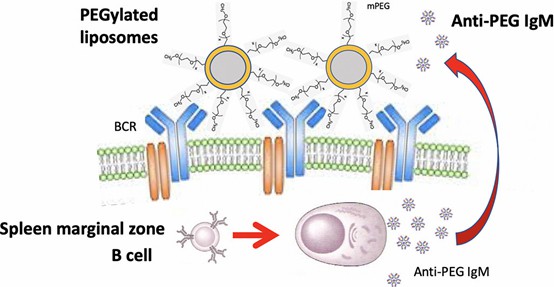 Figure 1. Adverse immune responses to PEGylated nanobiomedicines. (Sources: Kozma GT, et al. 2022)
PEG operates as both a drug enhancement agent and immunogen which places PEG antibodies as crucial elements for biomedical research investigations. Scientists detect antibodies against PEGylated molecules with different molecular weights using ELISA, Western blot, and immunohistochemistry methods. Their presence in patients raises critical questions: Could they accelerate drug clearance? Might they provoke hypersensitivity reactions? These concerns underscore why PEG antibodies are not just laboratory tools but pivotal factors in optimizing therapies.
At a molecular level, PEG antibodies consist of two core components: PEG antibodies contain two primary elements: PEG polymer and antibody fragments such as Fab or Fabs. The functional groups hydroxyl and methoxy mark the ends of PEG's flexible linear or branched chains and attach to specific amino acid residues such as lysine or cysteine on antibody fragments. The interaction retains stability through both covalent bonds and additional hydrogen bond and hydrophobic force contributions. For instance, the APA 6-3 Fab antibody fragment adopts an open-loop structure to "capture" PEG's backbone, while its complementarity-determining regions lock the polymer into place. Such structural adaptability allows PEG antibodies to recognize diverse PEG configurations, from planar arrangements to helical twists.
This intricate binding mechanism explains why PEG antibodies exhibit high specificity. However, PEG's inherent flexibility also means antibodies may bind inconsistently, posing challenges for standardization in diagnostics and drug development.
In pharmaceutical development PEGylation stands as the best practice. Through the process of connecting PEG to proteins, enzymes and nanoparticles scientists achieve an extension of drug half-life which is essential for sustained release therapies. The chemotherapy support protein Pegfilgrastim and leukemia treatment Pegaspargase both depend on PEG to avoid detection by the immune system. PEG antibodies play a dual role here: PEG antibodies allow scientists to measure PEGylation efficiency during production and track how drugs are processed in patients. The development of anti-PEG antibodies allows clinicians to predict diminished drug efficacy and the occurrence of adverse reactions.
Lipid nanoparticles (LNPs) or liposomes receive a PEG coating in nanomedicine that helps avoid immune system clearance while allowing drugs to reach tumors and inflamed tissues accurately. PEG antibodies serve as essential tools for analyzing surface modifications on nanocarriers. The presence of pre-existing anti-PEG antibodies in patients poses a challenge because they can neutralize PEGylated nanoparticles particularly as seen in mRNA vaccine delivery systems.
PEG's role in vaccine adjuvants is growing. PEGylated nanoparticles enhance antigen presentation to immune cells, boosting vaccine efficacy. Yet, researchers must balance this benefit against the risk of anti-PEG antibody interference, which could dampen immune responses.
Beyond therapeutics, PEG antibodies are vital in quality control labs. They verify PEGylation consistency in biologics-a regulatory requirement-and screen patient sera for pre-existing anti-PEG antibodies. This preemptive screening is crucial for avoiding hypersensitivity in sensitive populations.
While PEG antibodies unlock opportunities, their unintended consequences demand attention. Studies estimate that up to 40% of people have detectable anti-PEG antibodies, likely due to exposure through cosmetics, processed foods, or prior PEGylated therapies. These antibodies can:
Accelerate Drug Clearance: By binding to PEGylated drugs, antibodies mark them for rapid removal by phagocytes, reducing therapeutic effectiveness.
Trigger Hypersensitivity: Allergic reactions, including anaphylaxis, have been linked to anti-PEG antibodies, particularly in repeated dosing scenarios.
Limit Re-Treatment Options: Patients with high anti-PEG antibody titers may become ineligible for PEG-dependent therapies, necessitating alternative formulations.
To mitigate these risks, the field is exploring "PEG alternatives," such as polysarcosine or zwitterionic polymers, which mimic PEG's benefits without its immunogenicity. Meanwhile, improved assays for anti-PEG antibody detection are refining patient stratification in clinical trials.
The story of PEG antibodies is one of scientific progress intertwined with clinical caution. For drug developers, these antibodies are indispensable tools for optimizing PEGylation. For clinicians, they represent a biomarker requiring vigilant monitoring. For patients, understanding anti-PEG antibodies could mean the difference between a life-saving therapy and an ineffective-or even harmful-treatment.
As research advances, the focus will shift toward balancing PEG's unparalleled utility with strategies to minimize immune recognition. From stealthier PEG derivatives to personalized medicine approaches, the goal remains clear: harnessing PEG's power while safeguarding patient health. In this dynamic landscape, PEG antibodies are not merely biological curiosities-they are gatekeepers to safer, smarter therapeutics.In conclusion, PEG antibodies epitomize the complexities of modern medicine, where innovation and immune response walk a tightrope. By unraveling their mechanisms and implications, we pave the way for breakthroughs that respect both scientific ambition and human biology.
PEG antibodies, or anti-polyethylene glycol antibodies, are immune proteins that specifically recognize and bind to PEG-a polymer widely used to modify drugs, vaccines, and nanoparticles. PEGylation (attaching PEG to therapeutics) enhances drug stability, prolongs circulation time, and reduces immunogenicity. However, paradoxically, PEG itself can trigger immune responses, leading to anti-PEG antibody production.
Why these matters:
Therapeutic Optimization: PEG antibodies are tools to assess PEGylation efficiency during drug manufacturing (e.g., ensuring PEG coats proteins uniformly).
Patient Safety: Pre-existing or treatment-induced anti-PEG antibodies can neutralize PEGylated drugs, accelerate their clearance, or cause allergic reactions. For instance, 25–40% of individuals have detectable anti-PEG antibodies due to prior exposure via cosmetics or PEG-containing medicines.
Clinical Impact: Drugs like Pegfilgrastim (for chemotherapy support) rely on PEG for efficacy. Anti-PEG antibodies could render such treatments ineffective, highlighting the need for pre-screening in patients.
Anti-PEG antibodies interfere with PEGylated therapies through two primary mechanisms:
Accelerated Blood Clearance (ABC): Antibodies bind to PEG on drugs, marking them for rapid uptake by immune cells (e.g., macrophages), reducing their therapeutic half-life. For example, ABC has been observed in PEGylated liposomal doxorubicin, limiting its anticancer efficacy upon repeated dosing.
Hypersensitivity Reactions: Anti-PEG IgE antibodies can trigger anaphylaxis. A 2023 study linked PEG-specific IgE to severe allergic responses in 30% of recipients of PEGylated mRNA COVID-19 vaccines.
Emerging Concerns:
Cross-Reactivity: Anti-PEG antibodies may recognize diverse PEGylated products, complicating treatment switches.
Population Variability: Genetic factors or environmental PEG exposure (e.g., in processed foods) influence antibody prevalence, creating disparities in drug responses.
Common detection techniques include:
ELISA (Gold Standard): Quantifies anti-PEG IgG/IgM/IgA using PEG-coated plates. However, results vary based on PEG molecular weight and branching.
Surface Plasmon Resonance (SPR): Measures real-time antibody-PEG interactions but requires specialized equipment.
Cell-Based Assays: Assess functional impacts (e.g., complement activation), though these are less standardized.
Challenges:
Standardization: Lack of universally accepted PEG antigens or assay protocols leads to inconsistent data.
Clinical Relevance: Detecting antibodies doesn't always predict clinical outcomes. For example, low-titer antibodies may not affect drug efficacy.
Emerging Solutions: Next-gen assays using PEG-conjugated nanoparticles mimic in vivo conditions more accurately.
Researchers are actively exploring "PEG alternatives" to mitigate immunogenicity:
Polysarcosine (PSAR): A non-immunogenic, protein-like polymer with stealth properties similar to PEG. Early trials show promise in nanoparticle coatings.
Zwitterionic Polymers: Materials like poly(carboxybetaine) resist protein adsorption and immune recognition.
Hydrophobic Alkyl Chains: Stealth liposomes using lipid derivatives instead of PEG, though stability remains a hurdle.
Future Directions:
Hybrid Systems: Combining PEG with alternatives (e.g., PSAR-PEG copolymers) to balance stealth and safety.
De-Immunized PEG: Engineering PEG with altered structures (e.g., branched vs. linear) to reduce antibody binding.
mRNA vaccines (e.g., Moderna, Pfizer-BioNTech) use PEGylated lipid nanoparticles (LNPs) to protect and deliver mRNA. Anti-PEG antibodies pose two risks:
Reduced Efficacy: Pre-existing antibodies may bind to PEG on LNPs, preventing cellular uptake of mRNA and lowering vaccine effectiveness. A 2024 meta-analysis found 7–12% lower antibody titers in individuals with high anti-PEG IgG.
Allergic Reactions: PEG is a suspected culprit in rare anaphylaxis cases post-vaccination. However, most reactions are manageable, and vaccine benefits outweigh risks.
Mitigation Strategies:
Pre-Screening: Testing for anti-PEG antibodies in high-risk populations (e.g., those with prior PEG allergies).
Next-Gen LNPs: Non-PEGylated formulations, such as ionizable lipids with innate stealth properties, are in development.
References
| Target | Cat. No. | Product Name | Host | Application | |
| PEG | DMABT-Z59900 | Rabbit Anti-Human PEG (methoxy group) monoclonal antibody, clone SN206 | Rabbit | ELISA, IHC, WB | Inquiry |
| Polyethylene Glycol (PEG) | CABT-L2307 | Mouse Anti-Polyethylene Glycol (PEG) Monoclonal antibody, clone H12347N | Mouse | ELISA | Inquiry |
| PEG10 | DPATB-H81886 | Anti-PEG10 polyclonal antibody | Rabbit | WB, ELISA | Inquiry |
| Target | Cat. No. | Product Name | Type | Host | Conjugate | Application | |
| Peg12 / Frat3 (mouse) | CDBP2245 | Mouse PEG12 blocking peptide | Synthetic | N/A | Unconjugated | Apuri, BL, ELISA | Inquiry |
| Target | Cat. No. | Product Name | Size | Species Reactivity | Application | |
| Anti-PEG IgM | DEIA6160 | Mouse anti-PEG IgM ELISA Kit | 96T | Mouse | Quantitative | Inquiry |
| PEG | DEIASL085 | Rat anti-PEG IgG ELISA Kit | 96T | Rat | Quantitative | Inquiry |
| PEG | DEIASL086 | Rat anti-PEG IgM ELISA Kit | 96T | Rat | Quantitative | Inquiry |
| PEG | DEIASL087 | Monkey Anti-PEG IgG ELISA | 96T | Monkey | Quantitative | Inquiry |
| PEG | DEIASL088 | Monkey anti-PEG IgM ELISA Kit | 96T | Monkey | Quantitative | Inquiry |
| PEG | DEIASL243 | Human Anti-PEG lgG ELISA Kit | 96T | Human | Quantitative | Inquiry |
| PEG | DEIASL244 | Human Anti-PEG lgM ELISA Kit | 96T | Human | Quantitative | Inquiry |
| PEG | DEIA6159 | Mouse Anti-PEG IgG ELISA Kit | 96T | Mouse | Quantitative and qualitative | Inquiry |
| PEG | DEIA6158 | High Sensitivity Polyethylene Glycol (PEG) ELISA Kit | 96T | N/A | Quantitative | Inquiry |
| PEG | DEIA-NS2408-1 | Monkey anti-PEG(Polyethylene glycol) IgM ELISA Kit | 96T | Monkey | Quantitative | Inquiry |
| PEG | DEIABL237 | Polyetheylene Glycol ELISA Kit | 2 x 96T | human | Quantitative | Inquiry |
Loading ......
