Filter By Product Search for
IL1RL1
 Loading...
IL1RL1 Full Name
interleukin 1 receptor-like 1
IL1RL1 Introduction
Interleukin 1 receptor-like 1 (IL1RL1), commonly known as ST2, is a member of the interleukin-1 receptor family. It exists primarily in two functionally distinct isoforms generated through alternative splicing: a membrane-bound form (ST2L) and a soluble decoy receptor (sST2). ST2L is a transmembrane receptor with three extracellular immunoglobulin domains, a single transmembrane helix, and an intracellular Toll/IL-1 receptor (TIR) domain necessary for signaling. sST2 lacks the transmembrane and intracellular domains and is secreted into circulation. IL1RL1 is expressed on immune cells (e.g., mast cells, Th2 lymphocytes, macrophages) and structural cells (e.g., cardiomyocytes, fibroblasts), and its expression is highly induced under inflammatory or mechanical stress conditions.
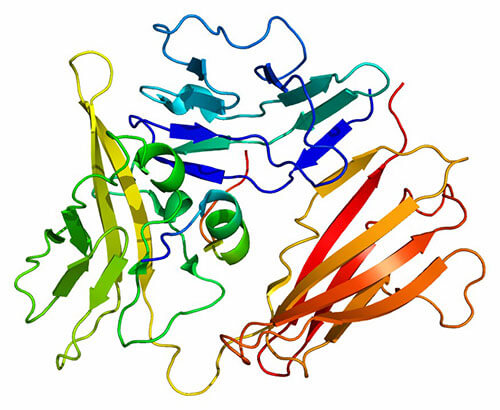 Figure 1. Strcuture of interleukin 1 receptor-like 1.
Functional Role as the Receptor for IL-33
IL1RL1 is the specific, high-affinity receptor for the cytokine interleukin-33 (IL-33), which is released from epithelial and endothelial cells upon damage or stress. The binding of IL-33 to the transmembrane ST2L isoform triggers the recruitment of the co-receptor IL-1RAcP, leading to the activation of intracellular signaling pathways. This IL-33/ST2L axis is a central driver of type 2 immune responses, promoting the production of cytokines like IL-4, IL-5, and IL-13. It plays critical roles in tissue repair, host defense against parasites, and the maintenance of mucosal barrier integrity. In contrast, the soluble sST2 isoform acts as a decoy receptor, sequestering free IL-33 and thereby inhibiting its pro-inflammatory and protective signaling.
Pathophysiological Significance in Disease
The IL-33/IL1RL1 pathway is implicated in diverse diseases. In allergic inflammation (e.g., asthma, atopic dermatitis), excessive ST2L signaling amplifies type 2 immunity, leading to eosinophilia, mucus overproduction, and airway hyperreactivity. In cardiovascular disease, sST2 has emerged as a powerful biomarker for cardiac stress and fibrosis. During myocardial injury, mechanical strain and inflammation upregulate sST2, which neutralizes the protective effects of IL-33 on cardiomyocytes, exacerbating adverse remodeling, fibrosis, and heart failure progression. Elevated sST2 levels strongly predict mortality and hospitalization in heart failure patients. Dysregulation of this pathway is also observed in autoimmune and fibrotic disorders.
Alternate Names for IL1RL1
IL1RL1
interleukin 1 receptor-like 1
T1
ST2
DER4
ST2L
ST2V
FIT-1
IL33R
interleukin-1 receptor-like 1
growth stimulation-expressed
interleukin 1 receptor-related protein
homolog of mouse growth stimulation-expressed