
Inquiry Basket
 Loading ......
Small cell lung cancer accounts for about 15% -20% of bronchogenic lung cancer. When diagnosed with small cell lung cancer, about 30% of patients have tumors in the localized stage, while the rest are in the extensive stage. When the tumor spreads beyond the supraclavicular area, it is called the extensive stage. Compared to other types of lung cancer, small cell lung cancer has better chemotherapy and radiotherapy efficacy. But because small cell lung cancer is likely to have spread widely by the time it is diagnosed, it is often difficult to cure.
Small cell lung cancer (SCLC) accounts for 15% -20% of all lung cancers, mainly including three subtypes: lymphocyte (oat cell) type, intermediate cell type (spindle shaped, polygonal, etc.), and mixed type. There was no significant difference in prognosis among the three subtypes. Most small cell lung cancers are related to smoking, while other small cell lung cancers may be related to the environment or genetics. The clinical manifestations of SCLC are similar to non-small cell lung cancer (NSCLC), such as cough, hemoptysis, chest pain, chest tightness, asthma, etc. Compared with non-small cell lung cancer, small cell lung cancer has the characteristics of fast tumor doubling rate, high malignancy, early occurrence of widespread metastasis, and susceptibility to endocrine dysfunction syndrome. About 67% of small cell lung cancer patients are diagnosed with significant extrapulmonary metastasis, while only 33% of limited period patients have lesions limited to a single radiation field within the chest cavity.、
The clinical manifestations of small cell carcinoma mainly include irritating dry cough, sputum production, chest tightness, shortness of breath, and chest pain. The respiratory symptoms of central type are more obvious compared to peripheral type, while peripheral type lung cancer has no other clinical symptoms except for chest pain. And small cell carcinoma can also cause hyponatremia.
| Symptoms | Descriptions |
| Local symptoms | 1. Cough: It is a common clinical symptom, and tumors in the trachea can cause irritating dry cough or a small amount of mucus phlegm. 2. Hemoptysis: Tumors invading the bronchial mucosa may lead to hemoptysis. 3. Wheezing, chest tightness, shortness of breath: Tumor growth obstructing the airway may lead to symptoms such as wheezing, chest tightness, and shortness of breath. |
| Systemic symptoms | 1. Weight loss, fatigue, and weight loss: Due to the energy consumption of tumor cells, patients may experience symptoms such as weight loss, fatigue, and weight loss. 2. Decreased appetite: Patients may experience decreased appetite due to infectious pain or psychological factors. 3. Fever: It is often caused by secondary pneumonia caused by tumors, and antibiotic treatment is often ineffective. |
| Other symptoms | 1. Severe chest pain: Tumors invading the pleura or chest wall may cause severe chest pain. 2. Dyspnea: Tumors that block the airway or invade the pleura may cause respiratory distress. 3. Hoarseness: Tumors invading the recurrent laryngeal nerve may lead to hoarseness. 4. Headache and vomiting: Tumors invading the central nervous system may cause symptoms such as headache and vomiting. 5. Bone pain: Tumors invading the bones may cause bone pain. 6. Fatigue: Due to the consumptive effect of tumors, patients may feel tired and powerless. 7. Lymph node enlargement: Lung cancer may cause lymph nodes to enlarge in the chest or other areas. |
Although small cell lung cancer is highly sensitive to chemotherapy and radiation therapy, most patients eventually metastasize and spread. Almost all patients with small cell lung cancer have a tendency for systemic spread during diagnosis, therefore combination chemotherapy and chest radiation therapy are the main treatment methods for this disease, with surgical resection only performed in a very small number of patients with limited duration. This type of tumor has a very poor prognosis, and systemic chemotherapy can definitely prolong survival and improve symptoms. However, as the remission period of drug resistance is usually less than one year, comprehensive treatment is the key to achieving cure.
The treatment of small cell lung cancer is a comprehensive process that includes multiple methods, depending on the severity, staging, and overall health status of the patient. Here are some common treatment methods for small cell lung cancer:
Chemotherapy: Chemotherapy is one of the main treatment methods for small cell lung cancer. It uses chemical drugs to kill or inhibit the growth of cancer cells. For most patients with small cell lung cancer, chemotherapy is the preferred treatment method, especially when the cancer has spread to other parts of the body. Chemotherapy drugs can be administered orally, intravenously, or locally.
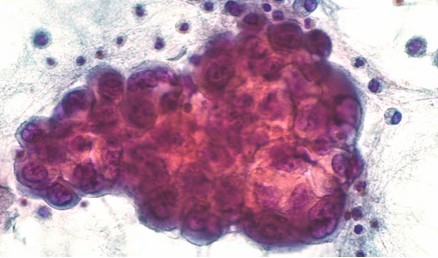
Radiotherapy: Radiation therapy uses high-energy radiation to kill cancer cells or prevent their growth, and is also the main treatment method for small cell lung cancer. It can be used as an independent treatment method or in combination with chemotherapy. Radiation therapy can be used for local treatment of tumors themselves or to alleviate symptoms caused by cancer, such as pain or difficulty breathing.

Surgical treatment: Surgery is another treatment method for small cell lung cancer, but it is usually only suitable for early-stage patients. Surgical methods include lobectomy, segmental resection, or total lung resection, aimed at removing lung tissue containing cancer cells. However, due to the rapid growth and spread of small cell lung cancer to other parts of the body, many patients are no longer suitable for surgical treatment at the time of diagnosis.

Targeted therapy: Targeted therapy is a cancer treatment method that targets specific genetic or molecular changes. For small cell lung cancer, some targeted drugs can target specific growth factors or signaling pathways to prevent the growth and spread of cancer cells. These targeted drugs are usually used in combination with chemotherapy or radiotherapy to improve treatment efficacy.
DLL3 is a member of the Notch pathway ligand family and plays a critical role in Notch signaling, with high expression in small cell lung cancer. According to data from Pharmaron Cloud, there are currently 17 drugs under development worldwide that target DLL3, including single/dual antibodies, ADCs, and CAR-T.
Small cell lung cancer is a highly invasive malignant tumor with its own biological characteristics and treatment needs. The close link with smoking also reminds us of the importance of tobacco control for prevention. The combination of immunotherapy and refined chemoradiotherapy strategies has improved the results, but the high recurrence rate also calls for new therapeutic approaches.
| Cat. No. | Product Name | Host | Isotype | Application | |
| DPAB-DC456 | Mouse anti-Human CKS2 polyclonal antibody | Mouse | / | WB, ELISA | Inquiry |
| DPAB-814RH | Anti-CDKN2A (aa 50-150) polyclonal antibody | Rabbit | IgG | WB, IF, ICC, IHC-Fr, IHC-P, FC, IP, ELISA | Inquiry |
| DPAB-DC3429 | Anti-RASSF5 (aa 100-206) polyclonal antibody | Mouse | / | WB, ELISA | Inquiry |
| DPAB-DC2765 | Anti-RXRG (aa 1-75) polyclonal antibody | Mouse | / | WB, ELISA | Inquiry |
| DPAB-DC1137 | Anti-ALK (aa 251-350) polyclonal antibody | Mouse | / | WB, ELISA | Inquiry |
| DPAB-DC1739 | Anti-ITGA9 (aa 785-886) polyclonal antibody | Mouse | / | ELISA | Inquiry |
| Cat. No. | Product Name | Size | Species Reactivity | Application | Detection Method | |
| DEIA6310 | CYFRA 21-1 ELISA Kit | 96T | Human | Quantitative | sELISA | Inquiry |
| DEIABL533 | Human soluble Nectin-4 ELISA Kit | 96T | Human | Quantitative | / | Inquiry |
| DEIABL222 | Bevacizumab ELISA Kit | 96T | Human | Quantitative | Inquiry | |
| DEIAZ0028 | Anti-Durvalumab ELISA Kit | 96T | Human | Qualitative | sELISA | Inquiry |
| Cat. No. | Product Name | Size | Target | Species | |
| CDBP5575 | BIRC8 blocking peptide | 0.05 mg | / | / | Inquiry |
| CDBP5912 | PIAS2 blocking peptide | 0.05 mg | / | / | Inquiry |
| CDBP1766 | Human BIRC7 blocking peptide | 50 g | Livin | Human | Inquiry |
| CDBP1767 | Human BIRC7 blocking peptide | 100 g | LIVIN / BIRC7 | Human | Inquiry |
| CDBP2507 | Human RXRB blocking peptide | 100 g | RXR beta | Human | Inquiry |
| CDBP2508 | Human RXRG blocking peptide | 100 g | RXR gamma | Human | Inquiry |
| DAG-WT1130 | Inactivated Seneca Valley virus (SVV) | 1 mL | SVA | / | Inquiry |
Loading ......
